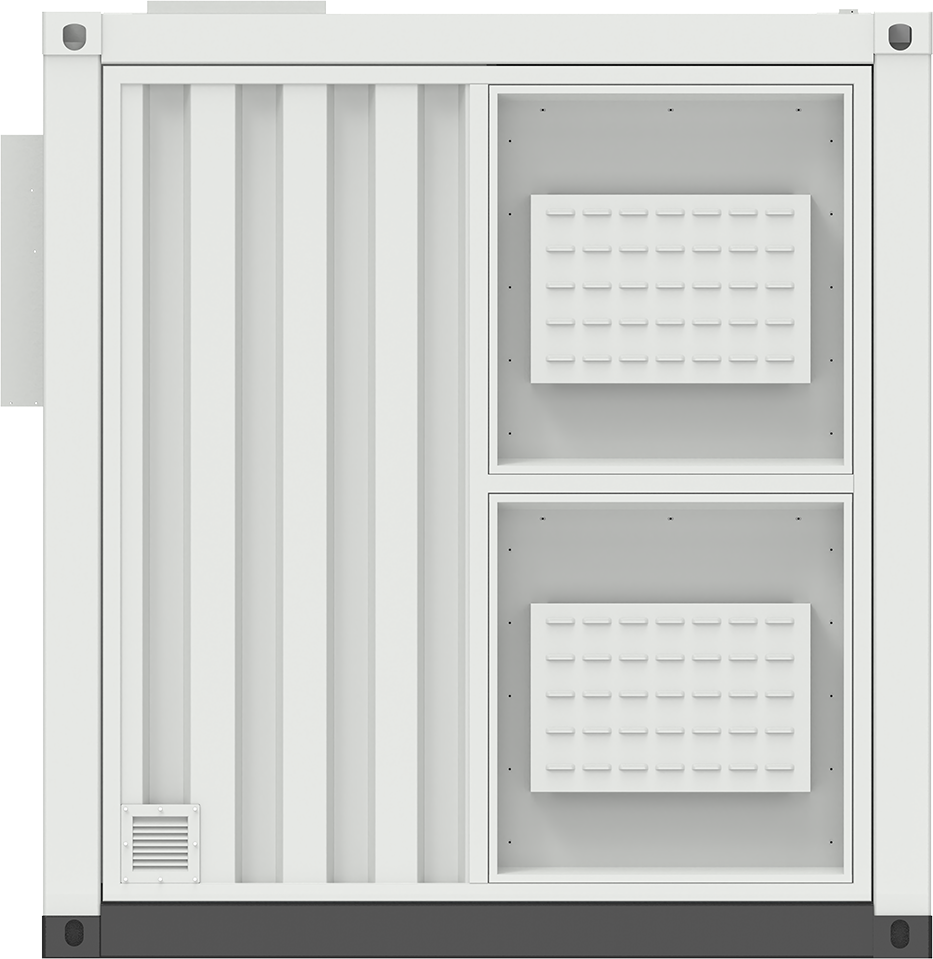
As energy prices continue to rise and homeowners become increasingly aware of environmental sustainability, finding efficient ways to manage electricity consumption has become a priority. One of the most effective solutions emerging in recent years is the adoption of residential energy storage cabinets. These systems allow homeowners to store energy, often generated from renewable sources like solar panels, for later use, reducing dependency on the grid and lowering electricity bills.
In this comprehensive guide, we will explore how residential energy storage cabinets work, their benefits, financial implications, environmental impact, and the latest trends in energy storage technology.
Understanding Residential Energy Storage Cabinets
Residential energy storage cabinets are compact, modular units designed to store electricity generated by home renewable energy systems or drawn from the grid during off-peak hours. Typically, these cabinets house high-capacity lithium-ion batteries, integrated with intelligent battery management systems (BMS) to ensure safe and efficient operation.
Modern residential energy storage cabinets can be seamlessly connected to existing solar panel installations, allowing homeowners to store surplus energy generated during the day. They can also operate independently, providing backup power during outages or peak demand periods.
Key components of a residential energy storage cabinet include:
High-capacity batteries: Store electricity efficiently and safely.
Battery Management System (BMS): Monitors and regulates charge and discharge cycles.
Inverter/Converter: Converts stored DC energy to AC for home use.
Monitoring and control system: Allows homeowners to track energy usage, battery health, and system performance.
How Residential Energy Storage Cabinets Reduce Electricity Bills
Utilizing Stored Energy During Peak Hours
Electricity prices often fluctuate throughout the day, with higher rates during peak demand periods. Residential energy storage cabinets allow homeowners to store energy during off-peak hours, when electricity is cheaper, and use it during peak hours. This practice, commonly referred to as load shifting, can significantly reduce electricity expenses without requiring changes to daily habits.
By leveraging stored energy during expensive peak times, homeowners can reduce their reliance on grid electricity and avoid high demand charges, particularly in regions with time-of-use (TOU) billing.
Maximizing Self-Consumption of Solar Energy
For households with solar panels, a key challenge is that much of the solar energy generated during the day may go unused if not consumed immediately. Residential energy storage cabinets solve this problem by storing excess solar power for use later, such as in the evening or on cloudy days.
This maximizes the self-consumption of solar energy, allowing homeowners to reduce the amount of electricity purchased from the grid. By using stored solar energy effectively, homeowners can achieve substantial monthly savings while reducing their environmental footprint.
Providing Backup Power During Outages
Power outages can be inconvenient and costly. With a residential energy storage cabinet, homeowners have a reliable backup power source. During outages, stored energy can power essential appliances, including lights, refrigerators, and communication devices. This eliminates the need for fuel-powered generators, which are often expensive, noisy, and environmentally unfriendly.
Integration With Smart Grid and Demand Response Programs
Some utility companies offer demand response programs, providing incentives to households that reduce consumption during peak demand periods. By integrating a residential energy storage cabinet with smart grid technologies, homeowners can automatically discharge stored energy during peak hours.
Participation in these programs can result in additional cost savings, rebates, or credits on electricity bills. It also helps utility providers balance demand and supply, contributing to grid stability.
Financial Considerations of Installing Residential Energy Storage Cabinets
Investing in a residential energy storage cabinet involves upfront costs, including the price of batteries, installation, and integration with renewable energy systems. However, the long-term benefits often outweigh these initial expenses.
Factors affecting the financial return include:
Local electricity rates and time-of-use pricing
Available incentives, rebates, or tax credits
Size and capacity of the energy storage system
Energy consumption patterns of the household
In many cases, homeowners can achieve a payback period within a few years through reduced electricity bills and participation in demand response programs. Additionally, as the technology matures, the cost of residential energy storage cabinets continues to decline, making them increasingly accessible.
Comparative Benefits of Different Storage Options
| Storage Option | Cost Level | Energy Efficiency | Backup Capability | Integration with Solar | Lifespan |
| Residential Energy Storage Cabinet | Moderate-High | High | Yes | Seamless | 10-15 years |
| Traditional Lead-Acid Batteries | Low | Medium | Yes | Limited | 5-7 years |
| Generator (Fuel-Based) | Medium-High | Low | Yes | Not applicable | Varies |
| Grid-Only Usage | Low | N/A | No | N/A | N/A |
The table illustrates that residential energy storage cabinets provide a balanced solution in terms of cost, efficiency, and backup capability, especially for solar-integrated households.
Environmental Benefits
Beyond financial savings, residential energy storage cabinets contribute to a greener, more sustainable future. By storing and utilizing renewable energy effectively, homeowners reduce dependence on fossil fuels and lower greenhouse gas emissions.
Other environmental advantages include:
Minimizing waste energy by storing surplus electricity.
Reducing the frequency of peak energy production from fossil fuel plants.
Supporting a more stable and resilient energy grid.
By integrating these systems into their homes, environmentally conscious homeowners can reduce their carbon footprint while achieving economic benefits.
Latest Trends in Residential Energy Storage
The residential energy storage market is evolving rapidly, with advancements in battery technology, energy management software, and integration with smart home systems. Key trends include:
Increased adoption of lithium-ion and solid-state batteries for higher energy density and longer lifecycle.
Modular designs that allow homeowners to scale storage capacity based on changing needs.
AI-powered energy management systems for predictive energy use and optimization.
Integration with electric vehicles (EVs), allowing stored energy to charge EVs and vice versa.
Eco-friendly and recyclable battery technologies, reducing environmental impact.
These innovations make residential energy storage cabinets more efficient, flexible, and environmentally responsible than ever before.
Real-World Applications
Residential energy storage cabinets are versatile and can support various home scenarios:
Urban apartments: Reduce electricity costs with limited roof space for solar.
Suburban homes: Store solar energy during the day for evening use.
Remote or off-grid locations: Provide reliable power where the grid is unstable.
Homes with electric vehicles: Coordinate energy storage with EV charging for cost efficiency.
Disaster-prone areas: Ensure backup power during storms or grid outages.
Each scenario highlights how residential energy storage cabinets can be tailored to meet specific energy needs and maximize savings.
Choosing the Right Residential Energy Storage Cabinet
Selecting the optimal system requires considering several factors:
Energy capacity: Determine the total energy your household needs for daily consumption and backup requirements.
Battery type: Lithium-ion is preferred for efficiency, lifespan, and safety.
BMS and safety features: Ensure the system includes a reliable battery management system with temperature monitoring, overcharge protection, and automated shutdown mechanisms.
Scalability: Choose modular systems that can grow with your energy needs.
Integration with renewable systems: Confirm compatibility with solar panels or other renewable sources.
Installation and maintenance support: Professional installation ensures optimal performance and long-term reliability.
Consulting with energy solution providers can help tailor a system that matches your household energy patterns and financial goals.
Conclusion
Residential energy storage cabinets are transforming the way homeowners manage electricity consumption. By storing excess energy, optimizing self-consumption of solar power, providing backup power during outages, and participating in smart grid programs, these systems offer both financial and environmental benefits.
The combination of cost savings, energy independence, and sustainability makes residential energy storage cabinets an attractive investment for modern homes. As technology continues to advance and prices decrease, the adoption of these systems is expected to grow, enabling more households to take control of their energy usage and reduce electricity bills.
By carefully selecting the right system, homeowners can unlock the full potential of residential energy storage cabinets, ensuring reliable power, cost efficiency, and a reduced environmental footprint.


