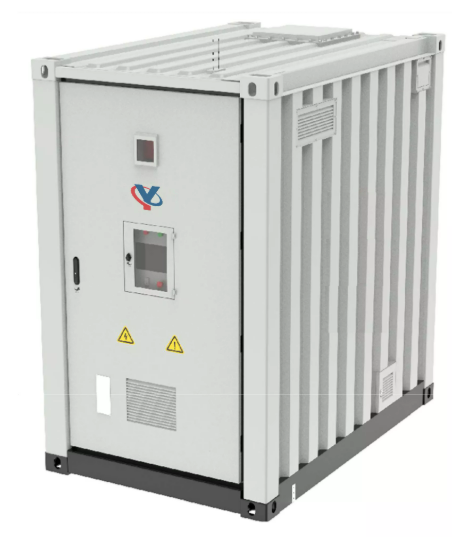
What Is an Industrial Energy Storage System and How Does It Work
Home » News » What Is an Industrial Energy Storage System and How Does It Work

What Is an Industrial Energy Storage System and How Does It Work

Views: 0     Author: Site Editor     Publish Time: 2025-12-17      Origin: Site

Inquire

facebook sharing button
twitter sharing button
line sharing button
wechat sharing button
linkedin sharing button
pinterest sharing button
whatsapp sharing button
kakao sharing button
sharethis sharing button
What Is an Industrial Energy Storage System and How Does It Work

An industrial energy storage system helps you keep electricity for later. You can use it when you need power the most. Here is a table that shows how a Battery Energy Storage System (BESS) works:

Term

Definition

BESS

A Battery Energy Storage System (BESS) uses batteries to keep electrical energy. It helps balance the grid and makes energy use better by saving extra energy when people use less and giving it back when people need more.

Many companies use these systems to spend less money, have steady power, and help the environment. You can control how you use energy. This helps you save money and stops power from going out.

Key Takeaways

  • Industrial energy storage systems let businesses save money. They store electricity when it costs less. They use it later when prices go up. These systems give backup power during blackouts. This helps important places like hospitals and data centers keep working. Energy storage helps the planet by using more renewable energy. It also means we use less fossil fuel. Picking the right energy storage, like batteries or thermal systems, makes things work better. It also makes them more reliable for your business. Using energy storage with smart management systems helps use energy wisely. It also makes batteries last longer. This gives your business better results.

Industrial Energy Storage System Overview

What Is an Industrial Energy Storage System

An industrial energy storage system helps big places like factories, warehouses, and data centers keep and use electricity. You can save extra power when you don’t need it and use it later when you do. This makes your work more steady and helps things run better.

An industrial energy storage system does many helpful things for your business:

  • It keeps voltage steady and lets you join energy price programs.

  • You can use microgrids or work without the main grid if you have to.

  • It helps charge electric vehicles for your company’s cars and trucks.

  • You can save energy when it’s cheap and use it when it costs more.

  • It helps you use less from the main grid and pay less for energy.

  • You make your energy use better all over your business.

  • It balances how much power you use and stops big spikes in factories.

  • You get backup power for places like logistics and data centers.

  • It stores energy from things like solar panels and wind turbines.

You can pick from different kinds of energy storage systems. Here is a table that shows some battery types used in industry:

Battery Type

Features

Lithium-ion (LiFePO4)

High energy density, long lifespan, safety

Sodium-ion

Alternative option with different characteristics

Liquid flow

Unique benefits for specific applications

Growing Need for Industrial Energy Storage

Industries are changing and growing, so there is a bigger need for industrial energy storage. Many companies use new technology to keep their work steady. You want your business to be better for the planet, so you look for ways to store and use energy smarter.

Here are some reasons why these systems are needed more now:

  • You want your work to keep going, even if the grid has problems.

  • You try to save money by choosing when and how you use energy.

  • New energy storage solutions use smart technology to watch and control energy in real time.

  • New batteries, like sodium-ion and solid-state, are safer and last longer.

The market for industrial energy storage systems is getting bigger. Experts think the U.S. market will grow by more than 20% each year until 2030. By then, there could be more than 10 gigawatts of installed capacity. Big industries like manufacturing, logistics, retail, data centers, and healthcare will help this growth. Around the world, the energy storage market might grow by 25.46% from 2024 to 2035.

Tip: If you want to stay strong and do well, think about how an industrial energy storage system can help you manage energy, save money, and reach your sustainability goals.

How Industrial Energy Storage Systems Work

Main Components of Industrial ESS

Industrial energy storage systems have many important parts. Each part helps you store and use electricity when you need it.

  • Batteries: These keep electrical energy for later. You can pick lithium-ion, sodium-ion, or liquid flow batteries. Each battery type has its own good points.

  • Flywheels: These spin fast to hold energy as movement. You use them for quick power and to keep things steady.

  • Thermal Storage Units: These save heat energy. You use them to keep energy from solar or waste heat.

  • Control Systems: These are like the brain of your system. They watch, manage, and control how much energy you store and use.

  • Power Conversion Equipment: These change energy into the right form. They make sure electricity fits what your machines need.

Here is a table that shows what each part does:

Component

Role in System

Batteries

Store and release electrical energy

Flywheels

Provide quick energy and stabilize power

Thermal Storage Units

Save and supply heat energy

Control Systems

Manage and optimize energy flow

Power Conversion

Adjust energy for different uses

Note: You can mix different energy storage technology types for your business. This helps you get better reliability and efficiency.

Operational Principles of Energy Storage System

Industrial energy storage systems help you catch, keep, and use energy at the right time. This helps you balance power use and keeps your business working well.

  • You store energy in different ways. Batteries use chemical reactions. Flywheels use movement. Thermal units keep heat for later.

  • You charge your system when you have extra energy, like from solar panels or when demand is low.

  • You keep the energy safe until you need it.

  • You use the energy when demand goes up or when the grid has trouble.

Industrial energy storage systems help you smooth out energy use. You can lower energy use when it is busy, give backup power during outages, and save extra renewable energy for later. This makes your energy use better and helps keep the grid steady.

Here is how you use these systems in your business:

  1. Peak shaving: You use less energy when prices are high or demand is strong.

  2. Backup power: You keep machines working when the power goes out.

  3. Renewable integration: You save extra energy from solar or wind and use it when you need it.

Energy storage technology helps you use less fossil fuel. You support cleaner energy and help your business grow. These systems make your energy use smarter and cut down on waste.

Tip: You can use industrial energy storage systems to make the grid steadier, help the economy, and make your business more green.

Types of Industrial Energy Storage Technologies

Battery Energy Storage Systems (BESS)

You can use batteries to keep electricity for your business. These systems use different battery types to store power. Each battery type has special features. This helps you pick the best one for your needs. Here is a table that shows common battery types used in industry:

Chemistry

Cell Voltage

Energy Density (MJ/kg)

Comments

Lithium Iron Phosphate (LiFePO4)

3.3

>0.32

Good performance, long life, safe, but slow charging.

Lithium Nickel Manganese Cobalt Oxide (LiNiMnCoO2)

3.7

>0.54

High energy density, long cycle life, low self-heating.

Lithium Manganese Oxide (LiMn2O4)

3.8

>0.36

Fast charging, high safety, but shorter lifespan.

Lithium Titanate (Li2TiO3)

2.4

>0.23

Very safe, long cycle life, fast charging, but expensive.

Bar chart comparing cell voltage and energy density of common industrial battery chemistries

Battery energy storage gives you many good things. You can save money by using less power at busy times. You can use more renewable energy. These systems also help keep the grid steady. But, you need to think about high starting costs and battery care. Here is a table that shows the main good and bad points:

Advantages

Disadvantages

Cost savings through load shifting

High upfront costs

Boosting renewable energy integration

Battery lifespan and maintenance issues

Enhancing grid stability and resilience

Safety and environmental concerns

Flywheel and Mechanical Storage

You can use flywheels to keep energy as movement. A flywheel spins very fast and stores energy this way. When you need power, the flywheel slows down and gives you electricity. New flywheels do not need much care because they use magnetic bearings. They are good for short backup and balancing the grid.

Mechanism/Feature

Description

Energy Storage Mechanism

Flywheel spins to store energy as rotational energy.

Energy Extraction

Flywheel slows down to release energy.

Maintenance

Sealed design and magnetic bearings mean less upkeep.

Advantages over Batteries

Longer lifespan, no emissions, faster response.

Application in Industry

Used for spinning reserves, grid regulation, and balancing supply and demand.

Mechanical storage also includes pumped storage and compressed air systems. Pumped storage uses water and works well, but needs special places. Compressed air is good for wind farms, but needs big storage and sometimes fossil fuels. Flywheels work fast but hold less energy.

Technology

Benefits

Limitations

Pumped Storage

High efficiency, peak load adjustment

Needs special terrain, high investment, and policy limits

Compressed Air Energy Storage

Good for wind farms, uses mechanical work

Low efficiency, needs large storage, sometimes uses fossil fuels

Flywheel Energy Storage

Fast response, long life, no emissions

Low energy density, high self-discharge, limited innovation

Thermal Energy Storage Solutions

You can use thermal energy storage to save heat for later. These systems help you use energy better and lower costs. There are three main types:

  • Sensible Heat Storage (SHS): Changes the temperature of a material but does not change its state.

  • Latent Heat Storage (LHS): Stores energy when something melts or freezes at the same temperature.

  • Thermochemical Storage (TCS): Keeps energy in chemical bonds for later use.

Thermal energy storage helps you manage heat and cooling in your business. You can catch heat during the day and use it at night. This lowers fossil fuel use and cuts emissions. More than 45% of electricity in U.S. buildings goes to thermal uses, so these systems can save a lot.

Tip: You can use different energy storage types together to get the best results for your business.

Benefits for Industrial Applications

Cost Savings and Efficiency

Energy storage systems can help you pay less for electricity. You can keep power when it is cheap and use it when prices go up. This gives you more control over how you use energy. Many companies pick c&i energy storage because it saves money and helps them work better. Thermal energy storage usually costs less than battery systems. If you pick the right size for your storage, your energy group can save about 1.8% on costs. Using these systems can also lower the most power you take from the grid by 5%. Adiabatic compressed air energy storage has cut costs by 15% in the last ten years. Big projects might cost as little as $120 for each kWh by 2024. Bigger projects could make prices drop even more.

  • You save money by moving when you use power and using less at busy times.

  • c&i energy storage helps you skip high prices during busy hours.

  • You can pick the best system for what your business needs.

Reliable Power Supply and Backup

Energy storage systems give you power when you need it most. You can keep working even if the power goes out. c&i energy storage gives you backup right away, which is important for places like hospitals and data centers. If you use a battery energy storage system during short power cuts, you get backup right away and do not need to fix generators as much. These systems help smooth out big changes in power use, so generators work better.

Case Study

Description

Impact

Commercial energy storage systems

Businesses lowering costs when demand is high

30–40% cost reduction

Large Scale Microgrid in Nigeria

A village gets power from a solar microgrid

50% lower energy costs, 80% fewer malaria cases

Reliable Power For Remote Scottish Island

People get power all the time

Steady power for many years

  • Energy storage systems are very important for backup when the power goes out.

  • c&i energy storage gives you power right away if the grid stops working.

  • You can keep important places safe and working.

Sustainability and Grid Support

You help the planet when you use energy storage systems. These systems let you use more clean energy and keep the grid steady. c&i energy storage keeps clean energy and gives it back when you need it. You can balance how much power you use, add more renewable energy, and make less pollution. Commercial energy storage also helps you reach your green goals.

Role of ESS in Grid Stability and Sustainability Goals

Description

Balancing Supply and Demand

Energy storage systems give out stored power when lots of people need it and take in extra power when not many people need it.

Integrating Renewable Energy Sources

They keep extra clean energy and give it back when there is not enough.

Economic Benefits

You pay less for energy and use it better by using stored power when prices are high.

Reducing Carbon Emissions

You use more clean energy and less fossil fuel, which helps the Earth.

  • Industrial energy storage systems help you use renewable energy better.

  • You keep the grid steady and use less fossil fuel.

  • c&i energy storage helps you meet your green goals.

Tip: You can make your business work better, be more reliable, and help the planet by picking the right energy storage systems.

Implementation Considerations

Selection Factors for Industrial ESS

You have to think about a lot before picking an industrial energy storage system. Each system is different and works best for certain needs. Here are some things you should look at:

  • Technology attributes

  • Performance metrics

  • Safety considerations

  • Cost structure

  • Supplier evaluation

Check how well the system does its job. Look at how efficient it is, how fast it reacts, how quickly it can change power, and how long it will last. These things help you find the right system for your business. You also need to know how much it will cost. Figure out the Levelized Cost of Storage (LCOS). This means you add up the first price, the cost to keep it working, and how long it will last. Safety is very important. Some systems can be dangerous, like catching fire or having chemical problems. Each technology has its own safety rules. Pick a system that matches what you need for safety.

Integration with Energy Management Systems

You can make your energy storage system work better by connecting it to your energy management system. AI-powered energy management systems help you use energy in the best way. These systems can guess when you will need more power and react to signals from the grid. This gives you better results and helps your batteries last longer. Old systems use set rules. AI-powered systems use smart computers that learn and predict. This helps you make choices right away. You can balance how much energy you use, store, and need more easily.

Your system should also work with different power sources and machines. You might use solar panels or backup generators. Your system should be able to grow and change. This helps you handle more power or new jobs. Good connections turn your energy storage into a smart tool for your business.

Maintenance and Safety

You need to keep your energy storage system safe and working well. Follow safety rules and do what experts say is best. Always check your system. Make a safety plan and keep good records. Work with people in your area to meet special safety needs. The energy storage industry works with firefighters and uses the NFPA 855 rule for safe setup.

Here is a table with important safety standards:

Standard

Description

ASHRAE 21-2022

Guide for battery ventilation and thermal management for safety and reliability.

ASME TES-1 – 2020

Safety standard for molten salt thermal energy storage systems.

IEEE P2962

Practice for lithium-ion battery installation, operation, and maintenance.

IEEE C2-2023

National Electric Safety Code for safe installation and operation.

NFPA 855

Standard for installing stationary energy storage systems and hazard mitigation.

Tip: You can keep your system safe if you follow these rules and work with experts.

Industrial energy storage systems help you save money. This is most helpful when demand is high and costs go up. Battery prices are lower now. The government also helps with energy storage. You can do some simple things to begin:

  1. Make a plan for your project and get money.

  2. Check if the system works for you.

  3. Pick the battery type that fits your needs.

  4. Figure out how much you will save over time.

  5. Get help from experts to do your best.

Energy storage solutions can make your business stronger and better for the planet.

FAQ

What is an industrial ess and why do you need it?

You use an industrial ess to keep electricity for your business. It is a main part of your energy plan. You get strong power storage, quick backup, and a system that grows with your needs.

How does an ess help with grid stabilization and enhanced grid resilience?

You use ess to even out energy use and help balance supply and demand. These systems keep the grid strong when many people need power. You get a stronger grid and more control over energy in your business.

Which battery types work best for industrial ess?

You can pick batteries like lithium-ion or sodium-ion. Each battery type gives you different amounts of energy and safety. You choose the battery that works best for your business and helps you use energy better.

Can you use ess with renewable energy generation?

You can connect ess to solar or wind power. This lets you save extra energy and use it later. You help your business use cleaner energy and make your work better for the planet.

How do intelligent control platforms improve industrial ess performance?

You use smart control platforms to run your ess. These systems watch how you use energy and help you use it in the best way. You get longer battery life, steady power, and better results for your business.

GET A QUOTE NOW!
Please enter your detailed information, and we will contact you later to provide a free quotation

PRODUCT CATEGORY

QUICK LINKS

CONTACT INFO
Tel: +86-15274940600
WhatsApp: +86-15274940600
Add: 201, Building B6, Xinggongchang Industrial Park, No.1 Lantian North Road, Economic Development Zone, Changsha, Hunan, China
SUBSCRIBE TO OUR NEWSLETTER
Promotions, new products and sales. Directly to your inbox.
Copyright © 2026 Yintu Energy All Rights Reserved. 湘ICP备2024059075号-1Sitemap | Privacy Policy | Supported by leadong.com