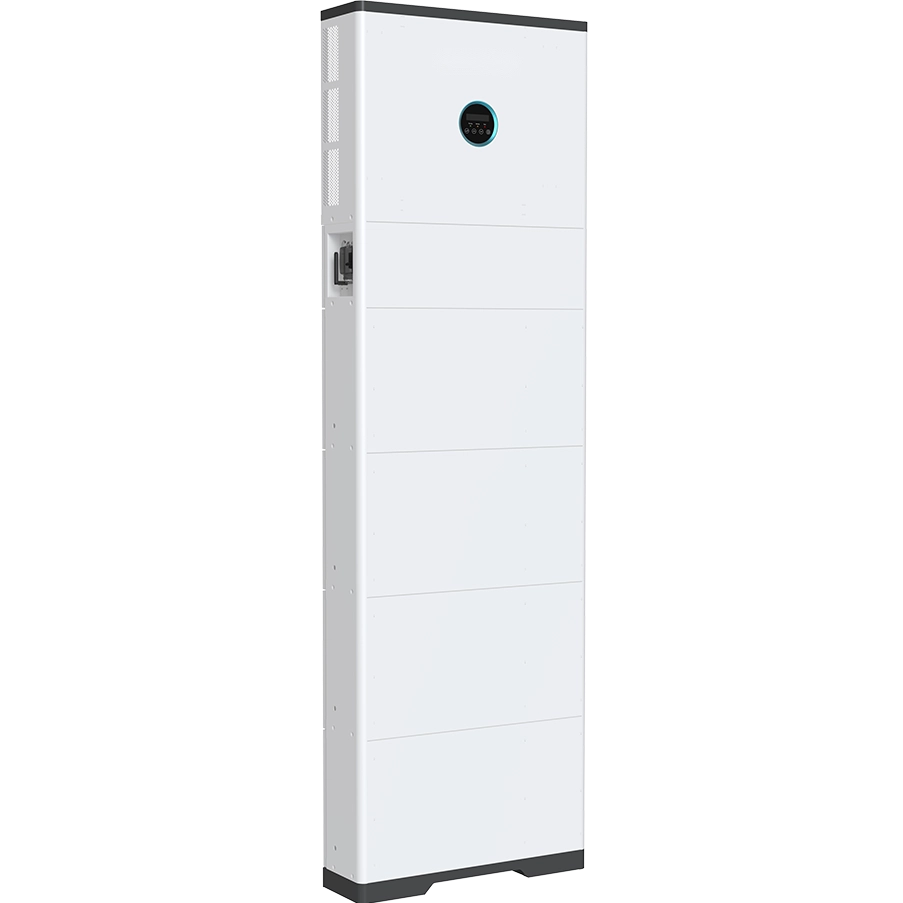
Choosing the right home energy storage system is essential for homeowners looking to optimize energy usage, integrate renewable energy sources, and ensure reliable power backup. This article explores how to select the ideal energy storage cabinet, analyzing performance, safety, cost, capacity, and installation considerations. Data comparisons, product features, and current trends help homeowners make informed decisions.
Understanding Home Energy Storage and Energy Storage Cabinets
In the modern energy landscape, home energy storage has become a vital tool for energy management, cost savings, and sustainability. An energy storage cabinet stores electricity from the grid or renewable sources such as solar panels, allowing homeowners to use stored energy during peak demand, outages, or nighttime hours. Choosing the right system requires understanding its components, capacity, safety features, and compatibility with your home energy setup.
A well-designed energy storage cabinet not only provides reliable backup power but also supports energy efficiency and smart energy management. Factors such as battery chemistry, modularity, installation flexibility, and integration with home management systems are critical when selecting the right solution.
Benefits of Installing a Home Energy Storage System
Installing a home energy storage system with a suitable energy storage cabinet offers multiple advantages:
Energy Independence – Reduces reliance on the grid by storing excess energy generated from renewable sources.
Cost Savings – Stores electricity during off-peak hours for use during high-rate periods, lowering energy bills.
Backup Power – Provides emergency power during outages, ensuring essential home appliances remain operational.
Environmental Impact – Optimizes renewable energy usage, reducing carbon footprint.
Smart Energy Management – Integrates with home automation systems to monitor consumption, performance, and battery status.
These benefits make home energy storage not only a practical investment but also a step toward sustainable living.
Key Factors to Consider When Choosing an Energy Storage Cabinet
Selecting the right energy storage cabinet requires evaluating multiple aspects. Below are the primary factors homeowners should consider:
1. Capacity and Energy Requirements
The storage capacity is a crucial consideration. Determine your household’s daily energy consumption and the desired backup duration. Energy storage cabinets come in different capacities, often measured in kilowatt-hours (kWh). Larger homes with higher energy demands require higher-capacity systems. Modular cabinets provide flexibility for expansion if your energy needs increase in the future.
2. Battery Type and Chemistry
Battery technology affects performance, lifespan, and safety:
Lithium-Ion Batteries – Popular for home energy storage due to high energy density, long lifecycle, and compact design.
Lead-Acid Batteries – Less expensive but heavier and shorter lifespan; suitable for budget-conscious solutions.
Advanced Lithium Iron Phosphate (LiFePO4) – Offers enhanced safety, thermal stability, and extended cycle life.
Choosing the right battery type ensures your energy storage cabinet meets performance expectations while maintaining safety.
3. Safety and Protection Features
Safety is paramount in home energy storage. Look for cabinets with:
Overcharge and over-discharge protection
Thermal management systems
Fire-resistant enclosure materials
Short-circuit and surge protection
Reliable safety features prevent accidents and protect both the system and your home.
4. Integration with Renewable Energy Sources
Many homeowners integrate home energy storage with solar panels or wind systems. Ensure the energy storage cabinet supports seamless integration:
Smart inverters for solar charging
Compatibility with home energy management systems
Real-time monitoring of energy input and output
Integration maximizes efficiency and ensures optimal utilization of renewable energy.
5. Installation and Space Requirements
Consider where the energy storage cabinet will be installed. Cabinet size, weight, and ventilation requirements affect installation choices. Common installation locations include:
Proper installation ensures system longevity, performance, and ease of maintenance.
6. Cost and Return on Investment
Evaluate the total cost, including system purchase, installation, and maintenance. While home energy storage systems involve an upfront investment, the long-term benefits such as reduced energy bills, backup power, and increased property value often outweigh initial costs.
7. Manufacturer Reputation and Support
Choose energy storage cabinets from reputable manufacturers. Strong technical support, warranties, and after-sales services ensure peace of mind and assistance during system setup or troubleshooting.
Comparison of Common Energy Storage Cabinet Types
The following table provides a descriptive comparison of different energy storage cabinet types suitable for residential use:
| Type | Description | Advantages | Considerations |
| Lithium-Ion Modular | Compact, scalable system with high energy density | Long lifecycle, high efficiency, easy expansion | Higher upfront cost |
| LiFePO4 Cabinet | Safe, stable battery chemistry in a dedicated cabinet | Enhanced thermal stability, extended cycles | Slightly larger footprint |
| Lead-Acid Cabinet | Traditional battery technology in cabinet enclosure | Lower initial cost, simple design | Heavier, shorter lifespan, lower energy density |
| Integrated Solar Storage | Combines solar inverter and energy storage in one cabinet | Optimized renewable energy usage, plug-and-play installation | Less flexibility for future expansion |
This comparison helps homeowners understand trade-offs and select the system that best matches their energy needs, safety preferences, and budget.
Step-by-Step Guide to Choosing the Right Home Energy Storage Cabinet
Step 1: Assess Household Energy Needs
Calculate your daily electricity usage, peak load, and desired backup duration. Identify essential appliances to be powered during outages, such as lighting, refrigeration, or medical equipment.
Step 2: Determine Desired Battery Capacity
Based on energy needs, select an energy storage cabinet with appropriate capacity. Modular systems allow for easy expansion if energy consumption increases over time.
Step 3: Select Battery Type
Choose between Lithium-Ion, LiFePO4, or lead-acid options, considering performance, safety, and budget. Advanced lithium chemistries offer long-term value through reliability and efficiency.
Step 4: Evaluate Safety Features
Ensure the cabinet includes overcharge protection, thermal management, fire-resistant materials, and monitoring systems. Safety certifications and compliance with local regulations are essential.
Step 5: Consider Renewable Integration
If you have solar panels or other renewable systems, verify the cabinet supports seamless integration, smart charging, and real-time monitoring.
Step 6: Plan Installation Location
Select a suitable location with proper ventilation, access for maintenance, and compliance with local building codes. Common choices include garages, basements, or utility rooms.
Step 7: Compare Costs and ROI
Factor in the total cost including system purchase, installation, and maintenance. Compare expected energy savings and backup benefits to evaluate return on investment.
Step 8: Verify Manufacturer Support
Choose systems from reliable manufacturers with strong technical support, warranties, and responsive after-sales service. This ensures ongoing support and long-term reliability.
Step 9: Make an Informed Decision
After evaluating capacity, battery type, safety, integration, installation, cost, and support, select the energy storage cabinet that best aligns with your home energy needs, budget, and sustainability goals.
Current Trends in Home Energy Storage
Increased adoption of modular energy storage cabinets for scalability.
Integration with smart home systems for monitoring and control.
Enhanced battery chemistries like LiFePO4 for improved safety and longer lifecycle.
Focus on renewable energy compatibility to optimize solar and wind usage.
Compact and aesthetically designed cabinets for residential settings.
Conclusion
Selecting the right home energy storage system and energy storage cabinet requires careful consideration of energy requirements, battery type, safety, integration capabilities, installation constraints, cost, and manufacturer support. By following a structured approach, homeowners can achieve reliable backup power, cost savings, energy independence, and environmental benefits. Advanced systems with modular, smart, and renewable-compatible designs provide scalable solutions, ensuring that your home energy storage setup remains efficient, safe, and future-ready.


