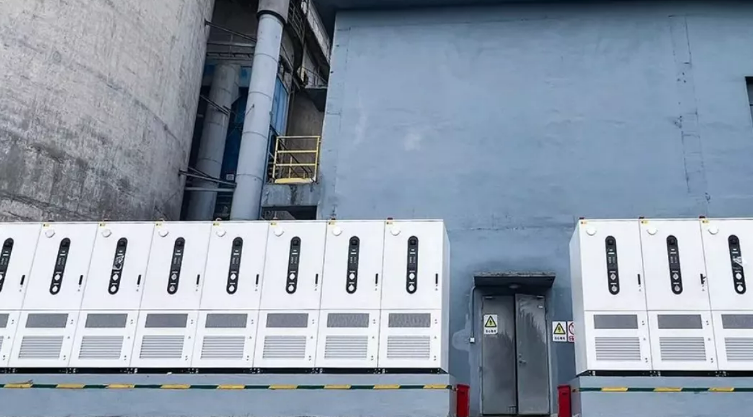
In today’s fast-paced business world, energy reliability matters. Commercial Energy Storage Systems help businesses manage power efficiently. They support renewable energy, reduce grid dependence, and ensure uninterrupted operations. In this article, you will learn how these systems save costs, boost sustainability, and enhance energy resilience.
Understanding Commercial Energy Storage Systems
Definition and Core Function
Commercial energy storage systems capture, store, and dispatch electrical energy according to business needs. They allow companies to store energy from the grid during off-peak hours or from renewable sources like solar panels and wind turbines. Once stored, this energy can be used during peak hours, emergencies, or for load balancing. These systems empower businesses to control energy consumption, reduce costs, and maintain continuity in operations, proving essential for long-term energy planning.
Key Components
The performance of a commercial system relies on several key components: high-capacity batteries, inverters, and energy management systems. Batteries store electricity efficiently, inverters convert it for business use, and management systems monitor and optimize energy flow. Together, they ensure reliability, flexibility, and seamless operation. Advanced management algorithms allow businesses to schedule energy use intelligently, enabling smart commercial energy storage systems for business resilience.
Component | Function | Importance |
High-capacity batteries | Store large amounts of electricity | Core storage unit |
Inverters | Convert stored DC to AC for business use | Enables usable power |
Energy management systems | Monitor and optimize energy flow | Ensures efficiency & reliability |
Advanced algorithms | Schedule energy use intelligently | Maximizes ROI and resilience |
Types of Energy Storage Technologies
Businesses can choose between lithium-ion, lead-acid, and emerging solid-state batteries. Lithium-ion batteries offer high efficiency and long lifespans, making them ideal for most commercial applications. Lead-acid batteries are cost-effective but less scalable, while solid-state solutions promise higher energy density and safety for future use. Comparing these technologies helps businesses select systems that balance performance, lifespan, and cost, ensuring long-term operational efficiency.
Behind-the-Meter vs. Grid-Integrated Systems
Commercial systems can either operate behind the meter on the customer’s side or integrate with the grid. Behind-the-meter systems give businesses full control over their energy use, enhancing independence and cost management. Grid-integrated systems, on the other hand, provide additional revenue opportunities through grid services while supporting overall energy stability. Choosing the right configuration depends on the business’s energy objectives, whether it’s resilience, cost savings, or renewable integration.
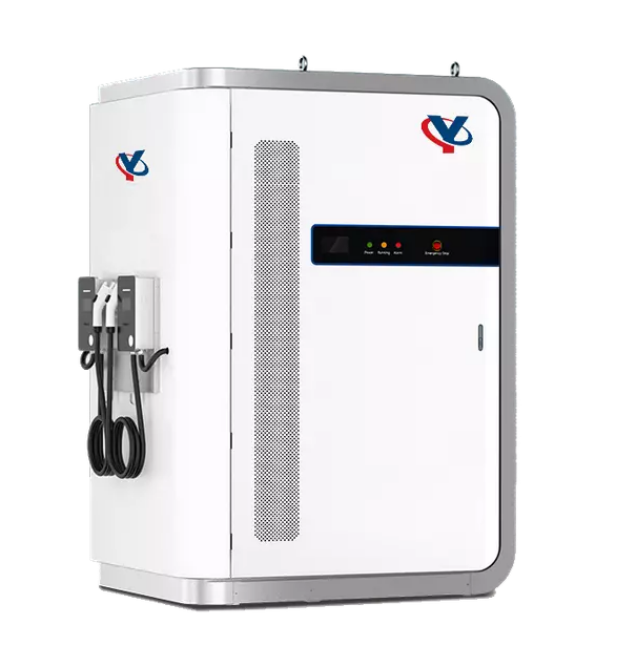
How Commercial Energy Storage Systems Work
Energy Charging and Storage Process
Energy is charged from solar panels or the grid during low-demand periods, storing it for later use. Batteries convert electricity into chemical energy, which can be dispatched on demand. This strategy allows businesses to reduce peak-hour energy purchases and optimize operational costs. Efficient storage planning ensures energy is available when needed most, minimizing disruptions and maximizing returns.
Discharging During Peak Demand
When energy demand rises, stored electricity can be dispatched to meet business loads. This reduces reliance on expensive grid energy during peak hours and mitigates demand charges. Commercial battery storage for peak demand ensures that high-energy operations continue without interruption. Businesses also gain financial predictability by controlling energy consumption, avoiding volatile utility rates, and leveraging stored energy for cost savings.
Smart Energy Management
Advanced energy management systems use predictive algorithms to optimize charging and discharging schedules. These systems consider electricity prices, load patterns, and renewable generation to reduce costs and improve sustainability. Automation ensures efficient energy flow, prevents overcharging, and enhances battery lifespan. By integrating intelligent management, businesses can achieve business energy storage solutions for reliable power across all operations.
Backup Power During Outages
Commercial systems provide a reliable backup during grid failures, preventing operational downtime. They are essential for industries requiring continuous power, such as manufacturing, healthcare, or food storage facilities. Backup capabilities ensure business continuity, protect sensitive equipment, and maintain customer trust during emergencies.
Financial Benefits for Businesses
Lower Energy Bills
By charging during off-peak hours and discharging during peak hours, businesses can significantly reduce electricity costs. Peak shaving and load shifting help optimize energy consumption while maintaining uninterrupted operations. Businesses with high electricity demands can leverage these strategies to maximize cost savings, making commercial energy storage system benefits for businesses tangible and measurable.
Return on Investment
Investing in energy storage increases long-term savings by reducing dependence on fluctuating energy prices. Businesses can recover their costs through energy savings, operational efficiency, and potential incentives. ROI improves further when systems integrate renewables, allowing companies to generate or store green energy while minimizing electricity expenses.
Demand Charge Management
Demand charges can account for a large portion of a business's utility bill. By using stored energy during peak consumption periods, commercial systems lower these charges and optimize monthly utility costs. This proactive approach enhances financial predictability and reduces exposure to sudden energy price spikes.
Incentives and Tax Benefits
Many governments provide tax credits, grants, or rebates to encourage energy storage adoption. These financial incentives increase ROI by lowering upfront investment costs and improving operational economics. Businesses can leverage such programs to accelerate payback while supporting sustainability objectives.
Operational Reliability and Resilience
Continuous Power Supply
Commercial energy storage ensures businesses maintain uninterrupted operations during outages or grid instability. Facilities such as hospitals, cold storage warehouses, and industrial plants benefit from seamless energy access. Systems enhance operational resilience and provide peace of mind during extreme weather or unexpected grid failures.
Energy Security Planning
Businesses can use storage systems as part of an energy security strategy, preparing for emergencies or natural disasters. Proper planning includes determining critical loads, backup duration, and renewable integration. This proactive approach enhances resilience and reduces operational risk.
Off-Grid and Remote Applications
Commercial systems support energy needs in remote or off-grid locations. They provide reliable power where the grid is unavailable or unreliable, enabling business operations in isolated areas. Solar integration with storage creates self-sufficient systems, reducing fuel dependency and operational costs.
Load Balancing and Peak Management
Energy storage helps stabilize internal consumption patterns and reduces strain on local grids. It smooths energy demand, allowing businesses to optimize operational schedules while minimizing energy wastage. By managing energy efficiently, companies can lower costs and reduce carbon footprint simultaneously.
Environmental and Sustainability Advantages
Carbon Footprint Reduction
Efficient energy storage enables businesses to rely more on renewable sources, cutting greenhouse gas emissions. Companies can achieve sustainability goals while reducing operational costs. Reducing reliance on fossil fuels contributes to long-term environmental benefits and corporate ESG objectives.
Supporting Renewable Integration
Storage allows excess solar or wind energy to be stored for consistent usage throughout the day. This supports renewable integration by providing reliable power even when generation fluctuates. Businesses benefit from a cleaner energy mix and can improve resilience while maintaining cost efficiency.
Regulatory Compliance
Commercial storage helps businesses comply with environmental regulations by reducing emissions and meeting sustainability standards. Systems support mandatory carbon reporting and green certifications, enhancing corporate reputation.
Community and Grid Support
Distributed energy storage improves overall grid stability, reducing peak loads and easing demand during high-usage periods. Businesses contribute to community energy resilience while benefiting from optimized internal operations.
Selecting the Right Commercial Energy Storage System
Assessing Energy Needs
Businesses must conduct a thorough evaluation of their load profiles, peak demand periods, and critical operational processes to determine the appropriate system capacity. Understanding energy consumption patterns over daily, weekly, and seasonal cycles helps prevent under- or over-sizing. Accurate assessment ensures optimal energy utilization, reduces unnecessary costs, and maximizes return on investment. Additionally, factoring in anticipated business growth or expansion ensures that storage systems remain effective and adaptable in the long term, avoiding costly upgrades or replacements.
Choosing Battery Technology
Selecting the right battery technology is critical for reliability, efficiency, and long-term cost-effectiveness. Lithium-ion batteries offer high energy density and long lifespans, making them ideal for most commercial applications, while lead-acid batteries provide a lower-cost alternative but with shorter cycles. Emerging solid-state and sodium-ion batteries promise greater safety, faster charging, and scalability for future energy needs. Businesses should also consider environmental conditions, operational load patterns, and safety regulations to ensure the chosen technology meets both performance and compliance requirements.
System Scalability
Modular and scalable energy storage solutions allow businesses to adjust capacity as energy demand evolves. This flexibility supports renewable energy integration, seasonal demand fluctuations, and long-term growth without major redesign or infrastructure changes. Scalable systems reduce upfront costs by enabling phased deployment, while maintaining operational flexibility. They also allow businesses to add storage units or battery modules incrementally, optimizing ROI and ensuring energy resilience in a rapidly changing business and regulatory landscape.
Integration with Existing Infrastructure
Seamless integration with solar panels, grid connections, and smart energy systems is crucial for maximizing system performance. Poorly integrated systems can result in energy inefficiencies, higher operational costs, and limited use of renewable energy. Proper integration ensures that energy storage works harmoniously with existing infrastructure, enabling predictive energy management, cost savings, and uninterrupted power supply. By connecting storage systems to smart controls and monitoring platforms, businesses can achieve business energy storage solutions for reliable power, improve operational efficiency, and respond dynamically to demand fluctuations.
Maintenance and Lifecycle Management
Regular maintenance and proactive lifecycle management are essential to extend battery life and ensure consistent system performance. Firmware updates, system diagnostics, and preventive maintenance routines reduce the risk of failures and minimize operational downtime. Monitoring battery health, inverter performance, and energy flow allows businesses to detect issues early, optimize charging cycles, and maintain peak efficiency. A well-structured maintenance program not only protects investment but also enhances energy reliability and supports long-term sustainability objectives.
Future Trends in Commercial Energy Storage
AI-Driven Energy Management
Artificial intelligence is transforming energy storage by predicting consumption patterns, optimizing costs, and automating load balancing. AI-driven systems analyze historical energy usage, weather forecasts, and utility pricing to schedule charging and discharging efficiently. This reduces reliance on manual oversight, minimizes energy waste, and enhances overall system performance. By incorporating predictive analytics and automation, businesses can achieve smart commercial energy storage systems for business resilience, improve operational efficiency, and respond dynamically to grid fluctuations or changing energy demands.
Advanced Battery Technologies
The next generation of batteries, including solid-state and sodium-ion technologies, offers higher energy density, faster charging, improved safety, and longer lifecycles. These advancements promise greater scalability and efficiency for commercial applications, reducing maintenance needs and operational costs. Adoption of advanced battery technologies enables businesses to future-proof energy infrastructure, support larger renewable energy portfolios, and gain competitive advantages through enhanced reliability and sustainability. Continuous innovation in this field also opens opportunities for integrating second-life EV batteries, further improving cost-effectiveness and environmental benefits.
Grid Interactivity and VPPs
Virtual power plants (VPPs) allow businesses to aggregate storage resources and interact with the grid to provide services such as frequency regulation, peak shaving, and demand response. Participation in VPPs generates potential revenue streams while enhancing energy flexibility. These systems enable businesses to not only reduce internal costs but also contribute to grid stability and resilience. By leveraging grid interactivity, commercial operations can align energy consumption with market signals, enhance sustainability, and optimize financial performance.
Sustainability-Driven Innovation
Energy storage innovation increasingly focuses on reducing carbon emissions, integrating renewable energy, and supporting corporate ESG targets. Businesses adopting cutting-edge storage solutions can achieve measurable sustainability outcomes, including lower energy waste, improved renewable utilization, and reduced carbon footprint. Innovations in materials, battery management, and AI-enabled optimization enhance both environmental and financial benefits. Companies that invest in sustainable energy storage position themselves as leaders in corporate responsibility, improving brand value while ensuring long-term operational resilience.
Conclusion
Commercial Energy Storage Systems boost business efficiency and reliability. They cut energy costs, support renewables, and ensure backup power. Hunan Yintu Energy Co., Ltd. offers advanced solutions that enhance operational flexibility and sustainability, providing smart, scalable, and resilient energy management for modern enterprises.
FAQ
Q: What are Commercial Energy Storage Systems?
A: Commercial Energy Storage Systems are technologies that store electricity for later use. They allow businesses to manage energy efficiently, integrate renewable sources, and maintain continuous operations during power interruptions.
Q: How do Commercial Energy Storage Systems work?
A: These systems capture energy from solar panels or the grid, store it in high-capacity batteries, and discharge it during peak demand or outages. Smart commercial energy storage systems for business resilience optimize usage automatically.
Q: What are the main benefits of Commercial Energy Storage Systems?
A: Key benefits include cost savings, operational continuity, and energy independence. They enable commercial energy storage system benefits for businesses by reducing peak demand charges and supporting renewable integration.
Q: Can these systems reduce my electricity costs?
A: Yes. By using commercial battery storage for peak demand and off-peak charging, businesses can lower utility bills and manage energy expenses more efficiently.
Q: Are Commercial Energy Storage Systems suitable for all business sizes?
A: Yes. Solutions are scalable and modular, making business energy storage solutions for reliable power adaptable from small offices to large industrial facilities.
Q: How long do Commercial Energy Storage Systems last?
A: Lifespan typically ranges from 10 to 25 years, depending on battery technology, maintenance, and usage. Advanced systems include predictive management for longer durability.
Q: Why should businesses invest in smart commercial energy storage systems?
A: They enhance resilience, automate load balancing, and optimize energy use. These systems help businesses reduce costs, improve sustainability, and maintain uninterrupted operations.
Q: What types of batteries are used in Commercial Energy Storage Systems?
A: Common options include lithium-ion, lead-acid, and emerging solid-state batteries. Selection affects efficiency, lifecycle, and scalability for commercial energy storage system benefits for businesses.
Q: How do I choose the right system for my business?
A: Assess energy needs, peak loads, and operational priorities. Consider system scalability, battery type, and integration with existing infrastructure to maximize business energy storage solutions for reliable power.
Q: Can Commercial Energy Storage Systems support renewable energy?
A: Yes. They store excess solar or wind energy for use during low production periods, enabling smoother renewable integration and cost-effective energy management.


