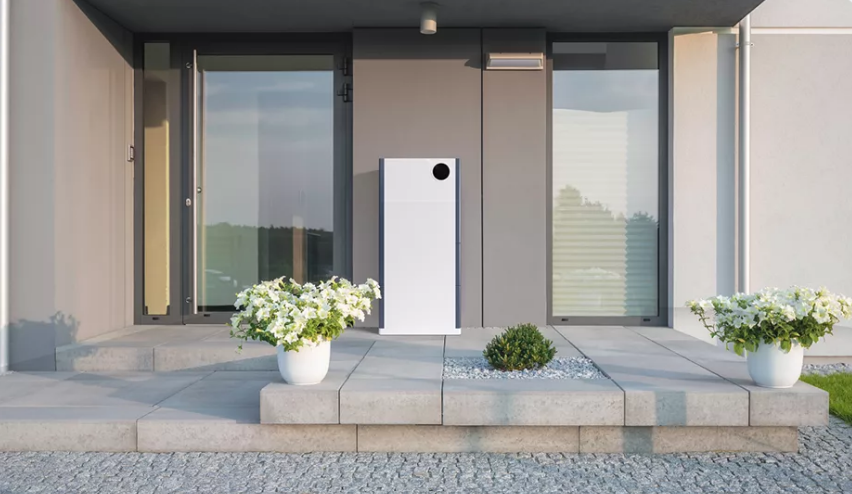
Have you ever worried about rising electricity bills or sudden outages? Residential Energy Storage is changing how homeowners manage power. It stores energy from solar panels for later use. You can save money, reduce grid dependence, and maintain backup power. In this article, you will learn how it works, its financial and environmental benefits, and how it integrates with smart homes.
How Residential Energy Storage Works
Residential energy storage systems function by capturing excess electricity and making it available when needed. They typically pair with renewable energy sources, storing surplus power during sunny or low-demand periods. This stored electricity is then converted and distributed to power household devices efficiently. Understanding the components and workflow of a residential energy storage system is crucial for maximizing its benefits.
Energy Generation and Storage
Electricity is often generated using solar panels or other renewable sources. The energy is stored in high-capacity batteries that retain power until it is needed. Lithium-ion batteries are commonly used due to their efficiency, long lifespan, and compact design. Capacity planning ensures the system meets household needs without overspending on unused storage. Proper sizing also guarantees that homeowners can fully utilize their stored energy during peak demand or grid outages.
Conversion from DC to AC
Stored energy in batteries is in direct current (DC) form. Inverters convert DC into alternating current (AC) suitable for household appliances. High-quality inverters ensure minimal energy loss during conversion and maintain consistent voltage levels. This process allows homeowners to use stored energy seamlessly, just like electricity from the grid.
Battery Management Systems (BMS)
Battery Management Systems (BMS) monitor the health, temperature, and charge levels of battery cells. They prevent overcharging, overheating, and premature degradation, ensuring system reliability and safety. BMS technology also allows predictive maintenance, notifying homeowners of potential issues before they impact performance. A well-maintained BMS extends the lifespan of the residential energy storage system and ensures consistent energy availability.
Integration with the Grid
Residential energy storage can interact with the local utility grid. During periods of high electricity prices, homeowners can draw from stored energy, reducing grid dependence. Some systems allow exporting excess electricity back to the grid, generating additional savings or incentives. Grid integration also enables time-of-use management, optimizing when energy is stored or used for maximum financial benefit.
Energy Independence and Reliability
Residential Energy Storage enables homeowners to reduce reliance on external power sources. By storing energy at home, families can avoid high utility rates and maintain uninterrupted power during outages. This independence provides both economic and operational advantages, enhancing household resilience.
Reducing Grid Dependence
Homeowners can draw stored energy during peak demand periods, reducing utility consumption and costs. Residential energy storage for solar homes maximizes the efficiency of solar panels by keeping surplus energy for later use. This reduces exposure to fluctuating electricity prices and ensures energy availability when the grid is under stress.
Backup Power During Outages
Power outages can disrupt essential household functions. Residential battery storage for backup ensures lights, refrigeration, and medical devices remain operational. Systems switch automatically, providing instant power without manual intervention. This reliable backup is especially valuable for families in areas prone to storms or grid failures.
Preparing for Emergencies
Residential energy storage prepares homes for emergencies, from natural disasters to unexpected blackouts. It ensures critical appliances continue running, protecting food, electronics, and comfort. Households can plan for extended outages with sufficient battery capacity, offering peace of mind even in extreme situations.
Supporting Off-Grid Living
In remote areas or off-grid homes, residential energy storage solutions for homeowners enable partial or complete energy independence. Systems store sufficient electricity to cover daily consumption, even without grid access. This capability supports sustainability while offering flexibility in energy use.
Financial Benefits of Residential Energy Storage
Investing in a residential energy storage system can yield substantial financial advantages. From lowering monthly bills to maximizing the return on renewable energy investments, the economic impact is significant. Homeowners can also benefit from increased property value when integrating storage solutions.
Lower Electricity Bills
Storing energy during low-cost periods and using it during peak rates lowers electricity bills. For example, homeowners can avoid expensive evening rates by drawing from stored solar energy. Over time, these savings accumulate, offsetting the initial investment in a battery system.
Maximizing Solar ROI
Residential energy storage maximizes the financial returns of solar panels by retaining unused energy. Instead of exporting excess electricity at lower compensation rates, homeowners can store it for personal use. This practice improves the payback period of solar installations and increases overall energy efficiency.
Protection Against Rising Energy Costs
Electricity rates often rise unpredictably, impacting household budgets. Residential energy storage technology advantages allow homeowners to mitigate this risk by using stored energy instead of buying expensive grid electricity. It acts as a financial shield, providing stability against fluctuating prices.
Long-Term Investment Value
Battery storage systems can enhance a home’s resale value by offering energy independence and sustainability features. Modern buyers increasingly favor properties with renewable and smart energy solutions. The combination of cost savings, backup power, and environmental responsibility makes residential energy storage a strategic long-term investment.
Financial Benefit | Description | Example Impact |
Lower Electricity Bills | Use stored energy during peak pricing | Save up to 30% annually |
Maximizing Solar ROI | Store excess solar for personal use | Reduce payback period by 2-3 years |
Protection Against Rising Costs | Mitigate utility price fluctuations | Predictable monthly expenses |
Long-Term Investment Value | Increase home attractiveness and resale value | Higher market value by 5-10% |
Environmental and Sustainability Benefits
Residential Energy Storage contributes to a greener lifestyle. By storing renewable energy, homeowners can reduce their carbon footprint and lessen dependence on fossil fuels. Sustainable energy management also benefits communities and the overall power grid.
Reducing Carbon Footprint
Using stored solar or renewable energy instead of grid electricity reduces greenhouse gas emissions. Each kilowatt-hour of stored clean energy replaces electricity from fossil fuels, supporting environmental goals. Over time, this lowers household carbon output and promotes eco-friendly living.
Promoting Renewable Energy Use
Residential energy storage for solar homes encourages wider adoption of renewable technology. By solving the intermittency issue, storage makes solar panels more practical and economically viable. It ensures clean energy is used efficiently rather than wasted.
Contribution to a Greener Lifestyle
Homeowners can align energy consumption with environmental values. Stored energy allows for off-peak usage, reduced reliance on nonrenewable sources, and conscious energy planning. Small behavioral changes, combined with storage systems, amplify sustainability efforts.
Community and Grid Benefits
Distributed residential storage reduces peak load on the grid, enhancing community reliability. Energy can be shared or exported when in surplus, easing strain on local infrastructure. This collaborative approach supports smart grids and community-level sustainability initiatives.
Smart Energy Management
Modern residential energy storage systems incorporate intelligent features that optimize energy use while enhancing convenience for homeowners. These systems connect seamlessly with mobile apps, smart devices, and electric vehicle (EV) chargers, enabling automated energy management. Homeowners can monitor energy production, storage levels, and consumption in real time, while predictive algorithms help forecast usage patterns and weather impacts. By combining automation with data-driven insights, these systems reduce energy waste, improve efficiency, and support cost-effective decision-making without constant manual intervention.
App and Interface Control
Most residential energy storage systems come with dedicated apps or desktop dashboards for monitoring and control. Users can track battery charge, household consumption, and solar generation in real time. These interfaces also allow homeowners to schedule energy usage, prioritize devices, and receive alerts for anomalies. By providing actionable insights, apps help optimize energy flow, prevent unnecessary grid consumption, and support long-term savings. With intuitive interfaces, even less tech-savvy users can manage their home energy system efficiently and confidently.
Automation and Load Prioritization
Advanced energy storage systems automatically switch between solar, battery, and grid sources based on demand, electricity cost, and availability. Load prioritization ensures critical appliances, such as heating, refrigeration, or medical devices, receive uninterrupted power while secondary loads operate when surplus energy is available. This automation reduces reliance on manual intervention and ensures energy efficiency is maintained consistently. Over time, it helps homeowners maximize the value of stored energy and avoid unnecessary grid consumption during peak hours.
Integration with Smart Homes and EVs
Residential energy storage integrates with broader smart home ecosystems and electric vehicles, creating a connected energy network. Systems coordinate EV charging schedules with household consumption, optimizing the use of stored solar energy. They can also interact with smart thermostats, lighting, and other automated appliances to reduce energy demand during peak periods. This integration enhances convenience, lowers electricity bills, and promotes sustainable energy use, while making the home more adaptive to changing energy needs.
Energy Flow Optimization
Predictive energy flow algorithms analyze past consumption patterns, weather forecasts, and grid conditions to optimize the distribution of stored energy. These systems determine the most efficient times to charge or discharge batteries and prioritize renewable energy usage over grid electricity. By reducing energy waste and improving battery utilization, homeowners achieve higher efficiency and financial savings. Optimized energy flow also prolongs battery life, ensuring that systems deliver reliable performance over years of use.
Types of Residential Energy Storage Systems
Residential energy storage comes in a variety of technologies, each catering to different energy needs, budgets, and lifestyles. Understanding the differences helps homeowners select systems that maximize efficiency, safety, and long-term value. Storage technologies vary in capacity, chemistry, scalability, and integration capabilities, providing flexible solutions for both solar-powered and grid-connected homes.
Lithium-Ion Batteries
Lithium-ion batteries are the most common choice for residential energy storage. They offer high energy density, long lifespan, and excellent efficiency. These batteries are modular and scalable, allowing homeowners to expand capacity as needs grow. Their ability to handle frequent charge-discharge cycles makes them ideal for solar energy storage, ensuring stored energy is readily available during peak periods or outages. Lithium-ion technology balances performance, durability, and cost, making it the preferred option for many residential installations.
Alternative Battery Technologies
Other battery types, including lead-acid, flow, and solid-state batteries, provide viable alternatives depending on household requirements. Lead-acid batteries are low-cost but heavier and less efficient, suitable for basic backup systems. Flow batteries offer extended lifespans and flexible scaling but require more space. Solid-state batteries promise enhanced safety, higher energy density, and faster charging, though they remain more expensive. Evaluating these options allows homeowners to balance cost, space, and performance according to their energy priorities.
Modular and Expandable Systems
Modular energy storage systems allow homeowners to add battery units over time, scaling storage as energy demands increase. This flexibility ensures the system remains effective as household size or consumption grows. Expandable systems are ideal for integrating additional renewable sources or electric vehicle chargers. They provide a long-term solution without requiring complete replacement, allowing homeowners to adapt their energy storage strategy gradually while maximizing ROI.
Choosing the Right System
Selecting the right residential energy storage system requires careful evaluation of capacity, chemistry, efficiency, and compatibility with existing energy infrastructure. Consulting with qualified professionals ensures proper sizing, safety compliance, and seamless integration with solar panels, smart homes, or EVs. Homeowners should also consider long-term scalability, maintenance requirements, and warranty coverage. Making an informed decision ensures maximum efficiency, cost savings, and sustainability benefits from the energy storage system.
Installation, Maintenance, and Optimization
Proper installation and maintenance are essential to ensure residential energy storage systems operate safely and efficiently over their lifespan. Professional guidance during setup guarantees optimal placement, adherence to local codes, and correct system configuration. Once installed, routine maintenance and strategic usage help preserve battery health and maintain performance. A well-managed system delivers long-term cost savings, energy reliability, and environmental benefits.
Professional Installation Considerations
Placement and ventilation are critical for battery safety and efficiency. Professional installers ensure proper positioning, connection to the household electrical system, and compliance with local regulations. They can also optimize system layout for energy performance, reduce heat buildup, and prevent potential hazards. Correct installation minimizes risks, maximizes efficiency, and sets the foundation for seamless integration with solar panels and smart home devices.
Routine Maintenance
Regular maintenance ensures residential energy storage systems remain reliable and efficient. Monitoring battery health, updating firmware, and inspecting components prevent unexpected failures and extend system lifespan. Scheduled inspections allow early detection of issues such as degraded cells or inverter malfunctions, avoiding costly repairs. Routine care ensures energy availability during peak periods and protects the homeowner’s investment over time.
Maximizing Efficiency
Homeowners can enhance system performance by scheduling energy usage, prioritizing critical appliances, and leveraging automation features. Using stored energy during peak pricing periods or in combination with solar production maximizes financial savings. Load management strategies and predictive analytics help reduce energy waste while extending battery life. Optimizing usage patterns allows homeowners to extract maximum value from their residential energy storage system.
Troubleshooting Common Issues
Identifying warning signs such as abnormal temperature fluctuations, reduced output, or system alerts enables prompt intervention. Early troubleshooting prevents extended downtime and protects household energy reliability. Most modern systems provide diagnostics via apps, alerting homeowners to potential problems. By addressing minor issues quickly, homeowners can maintain continuous power supply and avoid disruption during high-demand or emergency periods.
Challenges and Future Trends
Despite the clear benefits, residential energy storage faces challenges, including cost, efficiency limitations, and technical complexity. Understanding these factors helps homeowners make informed decisions and plan for long-term energy strategies. Advances in battery chemistry, government policies, and AI-driven grid integration are shaping the future of home energy storage, improving accessibility, performance, and sustainability.
Cost and Efficiency Constraints
Initial investment remains a barrier for many homeowners, while battery degradation affects long-term ROI. Proper system sizing, efficient usage, and predictive maintenance help mitigate these challenges. Considering total lifecycle costs, including maintenance and energy savings, ensures a more accurate assessment of financial benefits. By planning strategically, homeowners can achieve both economic and environmental returns from their energy storage investment.
Advances in Battery Chemistry
Emerging technologies, such as solid-state, sodium-ion, and flow batteries, promise higher energy density, enhanced safety, and longer lifespans. These innovations make residential energy storage systems more efficient, cost-effective, and suitable for diverse household needs. As these technologies mature, they will enable broader adoption of storage solutions and integration with renewable energy sources, providing reliable and sustainable energy for homes.
Policy and Incentives
Government incentives, tax credits, and supportive regulations can lower adoption costs and improve ROI. Staying informed about local policies helps homeowners leverage financial benefits and maximize system efficiency. Incentives may also encourage grid integration and participation in demand-response programs, offering additional revenue streams for residential energy storage users.
AI and Smart Grid Integration
Future residential energy storage systems will increasingly incorporate artificial intelligence for predictive energy management. AI can anticipate energy demand, optimize storage usage, and coordinate with smart grids to balance supply and consumption. These advancements enable automated decision-making, reduce energy waste, and enhance household efficiency, creating a smarter, more resilient energy ecosystem for homeowners.
Conclusion
Residential Energy Storage boosts energy independence and lowers costs. It provides reliable backup and supports smart home integration. Hunan Yintu Energy Co., Ltd. offers advanced systems that maximize efficiency, enhance sustainability, and add home value. These solutions prepare homes for future energy needs while ensuring consistent, eco-friendly power.
FAQ
Q: What is residential energy storage?
A: Residential energy storage refers to home battery systems that store electricity from renewable sources like solar panels. It allows homeowners to use energy during peak times, outages, or at night.
Q: How does residential energy storage benefit my home?
A: Residential energy storage provides cost savings, backup power, energy independence, and supports smart home integration. It helps reduce electricity bills and increases home resilience.
Q: Can residential energy storage work with solar panels?
A: Yes, residential energy storage for solar homes stores excess solar energy, maximizing solar ROI and enabling energy use when the sun isn’t shining.
Q: How much does a residential energy storage system cost?
A: Costs vary by capacity, battery type, and installation. Though upfront investment can be significant, it often pays off through lower electricity bills and long-term savings.
Q: Does residential energy storage provide backup during outages?
A: Absolutely. Home battery storage benefits include powering essential appliances during blackouts, ensuring comfort and safety for the household.
Q: What types of batteries are used for residential energy storage?
A: Lithium-ion batteries are most common due to efficiency and lifespan. Alternatives include lead-acid, flow, and solid-state batteries, each with unique advantages.
Q: How do I maintain a residential energy storage system?
A: Routine maintenance includes monitoring battery health, updating software, and inspecting components. Proper care ensures safety, efficiency, and long-term reliability.
Q: Can residential energy storage help lower energy costs?
A: Yes, by storing electricity during off-peak hours or from solar panels, residential energy storage cost savings are realized through reduced grid reliance and optimized energy use.
Q: Are residential energy storage systems compatible with smart homes?
A: Modern systems integrate with smart home devices and EVs, enabling automation, energy flow optimization, and load prioritization for maximum efficiency.
Q: Why should I consider residential energy storage for peak shaving?
A: Home energy storage for peak shaving reduces reliance on the grid during high-demand hours, lowering bills and easing strain on local utility infrastructure.


