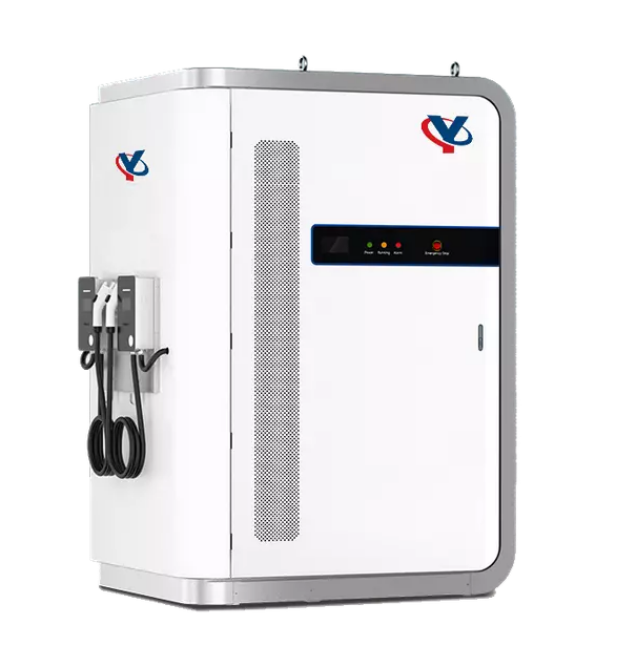
A microgrid energy storage system helps you make, keep, and use energy where you are. You can connect a microgrid to the main grid or use it alone if there is a power outage. This system keeps your lights working even if the big grid stops. Making and storing power nearby saves energy and works better. Microgrid energy storage systems also help you use clean energy and spend less money. More people are buying these systems, and the market could reach about USD 20.4 billion by 2034.
Key Takeaways
Microgrid energy storage systems give steady power during blackouts. This keeps your home or business working when the main grid stops.
With a microgrid, you can manage your energy sources better. This helps you save money and use more clean energy like solar and wind.
There are different storage types, like lithium-ion and flow batteries. Each one has special benefits. Pick one based on your energy needs and how long you want to keep power.
Smart control systems help manage energy well. They balance supply and demand. This makes sure resources are used well and less is wasted.
Microgrids can be changed to fit many needs. They work in cities for steady power or in far places for energy freedom.
Microgrid Energy Storage Components
Distributed Energy Sources
A microgrid can have many types of distributed energy sources. These sources make energy close to where you use it. This gives you more control over your power. It also helps you use renewable energy better. Here are some common sources you might find:
Solar power uses sunlight to make electricity.
Wind power changes wind into energy.
Battery energy storage systems keep extra energy for later.
Combined heat and power systems make both electricity and heat from one fuel.
Demand response technologies help you change how much energy you use.
When you use these sources together, your microgrid gets stronger. It can support local needs and use more renewable energy.
Storage Technologies
Good storage technologies help you keep energy until you need it. Microgrid energy storage systems use different ways to store and give back energy. Battery technology is very popular. Lithium-ion batteries store energy well and give it back fast. Iron-Air batteries use special chemistry to store energy for a long time. Gravity-based storage lifts heavy things and uses their weight to make power later. Hot-rock thermal storage heats rocks and uses that heat to make energy.
There are other ways to store energy too. Compressed air energy storage squeezes air into tanks and lets it out for power. Pumped hydro storage moves water uphill and lets it flow down to make electricity. Vehicle to grid systems let electric cars store energy and send it back to the microgrid when needed.
Tip: Pick different storage technologies based on how much energy you need and how long you want to keep it.
Here is a table that shows two common battery types used in microgrid energy storage systems:
Battery Type | Efficiency (%) | Lifespan (Years) | Degradation Rate |
Lithium-Ion | 90–95 | 8 to 12 | Higher degradation |
Flow Battery | 70–85 | 20 or more | Lower degradation |
Lithium-ion batteries are good for short-term energy needs and work very well. Flow batteries last longer and do not wear out as fast. You can use them for many years in your microgrid.
Control Systems
Control systems help you run all the parts of your microgrid. A microgrid management system watches energy flows and balances supply and demand. It makes sure everything works well. Advanced control systems are important for using renewable energy. They help you get the most from your energy sources and storage.
Some important jobs of control systems are:
Managing energy flows in the microgrid.
Watching charge and discharge cycles for batteries and other storage.
Helping with renewable energy by picking the best time to use stored energy.
You can see how control systems work in this table:
Key Feature | Description |
Local Multi-Agent Control Methods | Agents in the microgrid central switch and inverters help with smooth transitions. |
Synchronization Processes | These keep everything in sync when you reconnect to the main grid. |
Control Structures | Peer-to-peer and master-slave controls manage operations and reduce problems. |
Minimization of Transient Overcurrents | These features lower sudden spikes and keep the microgrid stable during changes. |
Control systems use smart algorithms to balance renewable energy and storage. You get real-time monitoring and control. This helps your microgrid always work its best.
How Microgrid Systems Work
Grid-Connected and Islanded Operation
A microgrid can work in two main ways. It can connect to the main grid, or it can run by itself. When it is grid-connected, it links to the big power grid. If your microgrid does not make enough energy, it takes power from the grid. If you make extra energy, you can send it back to the grid. A central controller helps balance the power and keeps things working well.
If you switch to islanded mode, the microgrid works alone. It uses only its own energy sources and storage. The system must keep the voltage and frequency steady. It acts as the main power source for your building. This is very important during blackouts or emergencies. The control system changes to focus on keeping the power steady and always on.
Here is a table that shows how these two modes are different:
Aspect | Grid-Connected Operation | Islanded Operation |
Power Exchange | Takes power from the grid if needed; sends extra power back. | Uses only its own energy sources after disconnecting from the grid. |
Control Strategy | Uses P/Q control, managed by the Microgrid Central Controller. | Uses U/f control, keeps frequency and voltage steady, acts as main power source. |
Purpose | Balances load and generation with help from the main grid. | Focuses on steady power and keeps supply going after disconnecting from the grid. |
Note: If you switch between these modes without planning, it can cause problems. Your control system must handle these changes carefully. This keeps your microgrid safe and working well.
Energy Generation and Management
Your microgrid uses smart ways to manage energy. Optimization algorithms help balance how much energy you make and use. These tools decide when to use local energy, when to store extra, and when to get power from the grid. Machine learning can guess how much solar or wind energy you will get. This helps you plan and use your storage better.
Smart control systems change as needed. They make sure you always have enough energy. These systems also help you use storage at the best times.
Here is a table that shows some main ways to manage energy in your microgrid:
Strategy Type | Purpose |
Optimization Algorithms | Help microgrids work better and balance energy. |
Machine Learning Techniques | Guess how much renewable energy you will get and manage resources. |
Intelligent Control Systems | Give strong solutions when things change and help use power wisely. |
You can use advanced monitoring to watch energy flows. Cloud platforms let you control your microgrid from anywhere. IoT and edge computing give you real-time data, even if the internet goes out. These tools help you make quick choices about energy and storage.
Load Balancing and Distribution
Load balancing means making sure everyone gets the right amount of energy. Your microgrid uses an energy management system (EMS) to decide how to use generators and storage. The EMS plans when to charge or use storage. It also manages loads so you do not waste energy.
Demand response programs help lower energy use when many people need power. These programs make your microgrid work better and more reliably.
Some common ways to balance loads are:
The EMS picks the best mix of power sources and storage.
Load response programs lower peak loads and help manage energy.
Predictive analytics use real-time data to guess when demand will change.
AI optimization helps share energy among users.
Adaptive load balancing changes as needed to keep things steady.
Tip: Smart microgrids can quickly change solar and storage to match the grid. This means you need fewer backup power plants and can save money.
Your microgrid can also buy or sell energy from the main grid. This helps keep costs low and makes sure everyone gets the energy they need.
Types of Microgrid Systems
You can pick from different microgrid systems for your needs. There are two main types: grid-connected microgrids and islanded microgrids. Each type is best for certain situations and gives special benefits.
Grid-Connected Microgrids
Grid-connected microgrids connect to the main power grid. These systems help make energy more reliable and flexible. Many people choose this type because it helps both local and big grid needs. Here are some ways people use grid-connected microgrids:
They help the grid stay strong during problems. Hospitals and schools can keep working if the power goes out.
They let you use more renewable energy and save money. You can use more solar or wind power and pay less for energy.
They help balance energy when many people use power at once. These systems make sure there is enough energy for everyone.
They give steady power to places far from cities. Remote places can get power even if they are not close to the main grid.
They let people trade energy with each other. You can buy or sell energy nearby and help clean energy grow.
Grid-connected microgrids give you many ways to make your energy system stronger and more flexible.
Islanded Microgrids
Islanded microgrids do not connect to the main grid. You often find these in faraway places or where the main grid cannot reach. The table below shows some main uses:
Application | Description |
Energy Generation | Gives steady and reliable energy in remote places. |
Stability | Makes energy more stable and stops outages in far places. |
Cost-Effectiveness | Saves money instead of building long power lines to faraway areas. |
Islanded microgrids also have these features:
The microgrid keeps working even if some energy sources stop.
You get fewer outages and better power quality.
The system uses local energy, which can change with the weather.
"For reliability, you need to know how long the microgrid should work alone," says an expert. Good planning helps you reach your energy goals.
The control system in islanded microgrids checks voltage, current, and frequency. It keeps these safe. This helps your system stay steady and give energy when you need it.
When you look at microgrid types, you see each one fits different needs. Grid-connected microgrids work well in cities and towns. Islanded microgrids help people in faraway places. You can choose the best type for your needs by learning about microgrid systems.
Benefits of Microgrid Energy Storage System
Resilience During Outages
A microgrid energy storage system keeps your power on during blackouts. If there is a storm or wildfire, your system uses stored energy. You do not have to wait for the main grid to work again. This gives your home, business, or community strong energy backup. The table below shows how these systems help when the power goes out:
Aspect | Findings |
Outage Mitigation | Battery storage gives backup power and keeps important things working. |
Energy Independence | You depend less on outside energy and have more control. |
Emissions Reduction | You use clean energy from storage, so there is less pollution in emergencies. |
Tip: Energy resilience helps protect your family and business from long blackouts.
Local Energy Control
A microgrid lets you control your energy better. You can choose when to use storage or get power from the grid. This helps you save money and use more renewable energy. The table below explains how microgrids give you local energy control:
Evidence | Description |
Microgrids and Energy Storage | You use storage with renewables for steady, cheaper power and less fossil fuel use. |
Understanding Microgrid Systems | You make and use energy close by, which makes energy stronger and greener. |
How Microgrids Can Boost Development | You get reliable, clean energy that helps your community grow and cut pollution. |
Smart microgrids also help you spend less and waste less energy. Here are some ways you benefit: You pay less by using energy when prices are low. You lose less energy because you do not need long power lines. You can keep your costs steady and easy to plan.
You also help your community by making energy more reliable and creating new jobs.
Sustainability and Efficiency
A microgrid energy storage system helps the planet. You can store extra solar or wind power and use it later. This means you use less fossil fuel and help nature. Here are some ways your system helps with efficiency and sustainability: You store clean energy and use it at night or when it is cloudy. You lower greenhouse gases by using more renewables. You help nature by not needing new power plants.
Microgrids also let you manage your own energy. You get steady power and help your community during emergencies. Data centers and hospitals use these systems to cut carbon and keep working if the main grid stops.
Note: Choosing a microgrid helps you get stronger energy and a cleaner future.
Challenges and Considerations
Cost and Investment
You have to think about how much a microgrid energy storage system costs. First, you pay for the design, equipment, and putting it in. After it is set up, you still have to pay for running and fixing it. This means paying for fuel, repairs, workers, and insurance. You might also have to pay interest if you borrow money or share profits with investors. Sometimes, the government gives you help to make things cheaper.
Here is a table that shows how saving money over time compares to paying a lot at the start:
Factor | Description |
Future power needs | You can make your microgrid bigger later, so you do not have to spend a lot at first. |
Energy efficiency | Smart tools help you use less energy and save money as time goes on. |
Expected commodities costs | If regular power gets expensive, microgrids can help you save money in the future. |
Tax credits and incentives | These can help pay for your microgrid and make it cost less. |
Predictive analysis | Using data helps you plan and get the most from your system. |
Integration with Existing Infrastructure
It can be hard to connect a microgrid to what you already have. There are strict rules you must follow. Getting approval can take a long time. Paying a lot at the start can slow down your project. You may also have trouble connecting control systems. Complicated rules can make things even harder.
You must follow strict rules to connect.
Getting approval can take a long time.
It costs a lot at the start.
It can be hard to connect control systems.
Rules can be very complicated.
Tip: Ask experts for help so your microgrid works well with what you have now.
Scalability and Regulation
Making your microgrid bigger means you need clear rules and support. Rules tell you what a microgrid is and where money comes from. They also say how microgrids should work with other systems. Some states make new programs and give money to help. These rules help you grow your microgrid and keep it working right.
Aspect | Description |
Definitions | Clear words help you know what counts as a microgrid and how to build one. |
Funding Mechanisms | Rules show where the money comes from, like taxes or utility bills. |
Operational Guidelines | These tell you how your microgrid should work with other systems. |
Cities have more problems because there are lots of buildings and people use a lot of power. You have to connect well with the main grid. In the country, there is not much money and rules can be tough. Getting people to support your project is important everywhere. If people do not trust the new system, it might not work.
City microgrids need good planning because there are many buildings.
Country microgrids may not have enough money and face hard rules.
Getting people to help and support is important.
Not having a clear way to make money can slow things down.
Note: Planning well and getting people to help makes growing your microgrid easier.
Now you know how a microgrid energy storage system works. It helps you make, keep, and use energy close to you. You get strong backup power when you need it. You can save money and help the planet by using clean energy. Microgrids are good for homes, businesses, and whole communities. New ideas will change how you use microgrids. Look at the table below to see what is coming soon:
Trend | Description |
Better Battery Storage | Batteries last longer and work better. |
Smarter Transportation Links | Microgrids connect with transport for better energy use. |
Artificial Intelligence | AI helps you run your microgrid smarter. |
Cybersecurity | Strong security keeps your energy safe. |
Learn more about microgrids if you want to be a leader in new energy ideas.
FAQ
What is the main purpose of a microgrid energy storage system?
A microgrid energy storage system helps you make and keep energy close by. It gives you power when there is an outage. You can also use more renewable energy with this system.
Can you use a microgrid in your home?
You can put a microgrid at your house. It keeps your lights on if there is a blackout. You can use solar panels or batteries with it. You get to control your energy and save money as time goes on.
How does a microgrid switch between grid-connected and islanded modes?
Smart control systems help your microgrid change between modes. If the main grid stops working, your system disconnects and uses its own energy. The control system makes sure voltage and frequency stay steady.
What types of batteries work best for microgrids?
Lithium-ion batteries are good for short-term backup. Flow batteries are better for storing energy for a long time. The table below shows what each battery does best:
Battery Type | Best Use |
Lithium-Ion | Quick backup |
Flow Battery | Long-term use |
Do microgrids help lower energy costs?
A microgrid helps you save money by using local energy. You can store power when prices are low. You do not have long outages and waste less energy. Your bills can get lower over time.


