Residential Energy Storage Solutions help you keep electricity at home for later. You can fill these systems with power from the grid or solar panels. Many people want these systems for backup power if the lights go out. They also use them to lower electricity bills and help the planet. In 2023, over 200,000 U.S. homeowners put in battery storage systems. The number of installations has doubled every year since 2020. The global market is also growing fast:
Year | Market Size (USD) |
2023 | 2.49 billion |
2025 | 18.5 billion |
2035 | 68.0 billion |
Key Takeaways
Residential Energy Storage Solutions let you keep electricity for later. This helps you save money and use the grid less.
These systems give backup power when there is an outage. Your important appliances will still work if the power goes out.
Picking the best battery type, like lithium-ion, can make it work better and last longer. This makes it a smart choice for your home.
You can pay less for electricity by using stored solar energy at busy times. You can also use net metering and tiered rates to save more.
Regular care and having experts install your system keeps it safe and working well.
Residential Energy Storage Solutions Explained
What They Are
Residential Energy Storage Solutions are special systems for your home. They let you keep electricity to use later. You do not have to use power only when the sun is out or the wind is blowing. You can fill these systems with energy from solar panels, the electric grid, or small wind turbines.
There are a few types you can pick for your house:
Wall mounted energy storage
Rack mounted energy storage
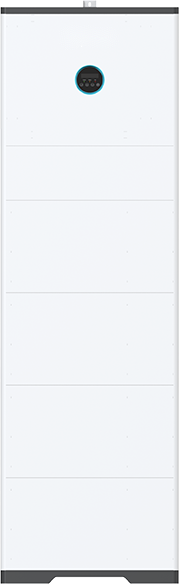
Stacked energy storage battery
These systems use different battery types. Some common ones are:
Lithium ion batteries
Lead acid batteries
Sodium sulfur batteries
Redox flow batteries
Note: Residential Energy Storage Solutions are not the same as commercial systems. Home systems usually hold between 5 and 20 kilowatt-hours (kWh) of energy. Commercial systems start at 30 kWh and can be much bigger. You use home systems for things you do every day. Businesses use bigger systems for factories or large buildings.
Here is a table that shows the main differences:
Feature | Residential Energy Storage Systems | Commercial Energy Storage Systems |
Size and Capacity | Smaller, typically 5-20 kWh | Larger, starting from 30 kWh to MWh range |
Energy Needs | Supports single household needs | Powers entire buildings or facilities |
Cost | Generally lower initial costs | Higher costs due to larger components |
Installation | Can be installed by homeowners | Requires professional installation |
Safety Standards | Less stringent | Higher safety standards required |
Modular Design | Impractical to scale up | Designed to be modular for scalability |
How They Work
Residential Energy Storage Solutions save extra energy for later. When you have more power than you need, the system stores it. When you need more power, the system gives it back. Here is how it works:
During the day, solar panels make electricity. Your home uses what it needs first. The system puts extra energy in the battery.
At night or in the evening, solar panels stop making power. The system uses battery power to keep your lights and appliances on.
If the battery gets low, the system uses grid power. This way, you always have electricity.
These systems help you use more clean energy and less grid power. They also give you backup power if the power goes out.
These systems keep extra energy from solar panels for later.
They charge batteries when you have extra energy and use it when you need more.
Smart management technology helps you use energy in the best way for your home.
Tip: Most home energy storage systems work at about 85% efficiency. The best ones can reach over 97% efficiency. Some are around 90%. This means you get most of your energy back when you need it.
Residential Energy Storage Solutions help you control your energy use. They can save you money and keep your home powered during blackouts.
Technology and Components
Battery Types
There are different battery types in home energy storage. Most homes use lithium-ion batteries. These batteries are safe and work well. They also last a long time. Some common lithium-ion chemistries are:
Lithium Iron Phosphate (LiFePO₄)
Nickel Manganese Cobalt (NMC)
Lithium Cobalt Oxide (LCO)
You might also see lead-acid batteries and flow batteries. Here is a simple comparison:
Battery Type | Characteristics |
Lead-acid batteries | Oldest and cheapest, needs regular maintenance |
Lithium-ion batteries | Most common, high efficiency, long lifespan |
Flow batteries | Newer, best for large systems, not common in homes |
Lithium-ion batteries can last 10 to 15 years. They can be charged and used 3,000 to 5,000 times. Lead-acid batteries last only 3 to 5 years. They can be charged and used 300 to 500 times. This means lithium-ion batteries are better for most families.
Main System Parts
A normal system has a few main parts that work together:
Solar PV Panels: These take sunlight and make electricity.
Hybrid Inverter: This device changes DC power to AC power for your home.
Energy Storage Batteries: These keep extra electricity for later.
Battery Management System (BMS): This keeps the battery safe and working well.
Charge Controller: This stops the battery from getting too much power.
The inverter is a very important part. It lets you use the energy in your batteries for your lights and appliances. Some inverters can send energy to and from the grid. Many systems use smart energy management to help you save money and use less power.
Compatible Energy Sources
Residential Energy Storage Solutions work best with solar panels and wind turbines. Most people use their storage with solar panels. In April 2024, more than half of new solar homes also got battery storage. These systems help you use more clean energy. They also keep your power steady when the sun or wind changes.
Renewable Source | Integration with Energy Storage |
Solar | Very common |
Wind | Common |
You can also connect your system to the electric grid. This gives you more ways to charge and use your stored energy.
Benefits for Homeowners
Backup Power
You want your house to have power during blackouts. Residential Energy Storage Solutions let you save extra energy from solar panels or the grid. If the power goes out, your system keeps your lights and fridge working. It also keeps other important things running.
These systems keep extra energy from renewable sources. This means you have power if the grid stops working.
You get more control over your energy and feel safer.
Backup batteries can keep your house working for hours. How long depends on your setup.
How long your backup power lasts depends on your battery size. It also depends on how much energy you use and how well your system works. For example, a 10 kWh battery with high efficiency can run 1 kW of important appliances for about 9 hours.
Cost Savings
A home energy storage system can help you save money on your electric bills. About 60% of U.S. families can cut their costs by about 15% when they use a solar-battery system. This savings includes the price of buying and using the equipment. Many families also handle blackouts better. They can meet about half of their electricity needs with stored energy.
Here are some common utility rate plans that help you save:
Utility Rate Structure | Benefit from Energy Storage |
Net Metering | Gives you credits for extra energy you make, so your bill is lower at retail rates |
Tiered Rates | Lets you use stored energy when prices are highest, so you save more |
Solar energy helps you skip paying higher prices during busy times. Net metering gives you credit for energy you send back to the grid.
Environmental Impact
You help the planet when you use Residential Energy Storage Solutions. These systems can lower your home's carbon emissions by 2.2% to 6.4% if you use them to cut pollution. Solar energy systems with batteries shrink your carbon footprint and help make the future cleaner.
You can use up to 30% less fossil fuel in places that use solar and wind.
U.S. homes with solar and storage have helped cut carbon emissions by 25% to 38% since 2015.
Using stored renewable energy instead of grid power lowers greenhouse gas emissions.
Studies show that battery storage is important for lowering your home's effect on the planet. You use more clean energy and less fossil fuel, so you make a real difference.
Choosing and Installing a System
Assessing Home Needs
You must know how much energy your home uses. Start by checking your electric bill for daily use. Count how many kilowatt-hours you use each day. Think about what you want your battery to do. Do you want backup power, lower bills, or more solar use?
Here are the main steps to size your system:
Find out how much energy you use each day.
Check the depth of discharge for your battery type.
Look at the battery’s round-trip efficiency.
Make sure the battery can run your most important things.
Decide what you want most from your system.
How you use energy matters. If you use more power at night, you may need a bigger battery. You can save money by storing energy when it is cheap and using it when it costs more. If you have solar panels, you can keep extra energy for later.
Integration Options
You can connect a storage system to your home in different ways. The best way depends on what you already have. Here is a table to help you see your choices:
Integration Scenario | Description |
Existing solar with string inverter | Add battery to your current inverter. |
Solar with microinverters | Use an A.C. coupled inverter and battery. |
Retrofitting solar | Add a rapid shutdown device for safety. |
DC-coupled additions | Connect new batteries right to solar panels. |
Battery-only setup | Install a battery without solar panels. |
Upgrade microinverter setup | Use new inverters. |
Hybrid systems can use energy from solar, the grid, and electric vehicles. Standalone batteries give backup power but do not manage energy from many sources.
Installation and Maintenance
Follow these steps to install a system:
Meet with an expert and design your system.
Get permits and engineering plans.
Install the equipment.
Pass inspection and start the system.
Watch and take care of your system.
Keep your battery system safe and working well. Check the battery management system often. Clean the cooling system and update the software. Change batteries when needed. Make sure a qualified electrician does the work. Watch for safety problems like overheating or fire risks. Throw away old batteries safely.
Tip: Good care helps your system last longer and keeps your home safe.
You now know that Residential Energy Storage Solutions help you save energy, spend less money, and keep your house powered when the electricity goes out. Before picking a system, remember these important things:
Key Takeaway | What It Means for You |
Energy Independence | Use less grid power and more from your own system. |
Cost Savings | Pay lower bills by using stored solar energy. |
Backup Power | Keep your lights on if there is a blackout. |
Battery Chemistry | Choose batteries that are safe and last a long time. |
Expandability | Add more batteries if you need more power later. |
Think about what you want for your energy use. Talk to an expert to get the best help.
FAQ
How long does a home battery last?
Most home batteries last 10 to 15 years. You can expect about 3,000 to 5,000 charge cycles. Battery life depends on how often you use it and how well you take care of it.
Can you add more batteries later?
Yes, you can add more batteries to many systems. Check if your system supports expansion. Adding batteries helps you store more energy for your home.
Do energy storage systems work without solar panels?
You do not need solar panels to use a home battery. You can charge your battery from the electric grid. This gives you backup power and lets you save money during peak hours.
Is it safe to install a battery at home?
Most home batteries have safety features like a Battery Management System (BMS). You should always have a professional install your system. This keeps your home safe and your system working well.
How much maintenance does a home battery need?
You should check your system’s software and cooling parts.
Clean dust from vents.
Watch for warning lights.
Call a pro if you see problems.
Regular care helps your battery last longer.