In 2025, energy costs are rising fast. Commercial Battery Energy Storage helps businesses save money. It also boosts efficiency and resilience. You will learn real costs, key factors, and ROI strategies in this article.
Average Installed Cost of Commercial Battery Energy Storage
Typical Cost per kWh in 2025
The installed cost of CBES in 2025 varies depending on system size and configuration. Small to medium commercial projects generally range from $280 to $580 per kWh. Larger containerized systems, such as those over 100 kWh, benefit from economies of scale, reducing costs to $180–$320 per kWh. Regional factors, such as labor costs, supply chain logistics, and local incentives, also influence pricing. Businesses can optimize costs by selecting appropriately sized systems tailored to their energy consumption patterns.
Tip: Compare multiple suppliers and configurations to identify cost-effective options without compromising system quality or performance.
Components Affecting Installed Costs
CBES costs come from several core components. The battery pack represents the largest portion of investment. A Battery Management System (BMS) ensures safety, performance, and voltage balancing. The Power Conversion System (PCS) converts DC power to AC power for grid compatibility. Cabinet or containerized enclosures provide environmental protection. Installation, commissioning, and associated labor costs further contribute to the total expenditure.
Component | Cost Impact | Function |
Battery Pack | High | Stores electricity |
Battery Management System | Medium | Optimizes performance, ensures safety |
PCS/Inverter | Medium | Converts DC to AC |
Cabinet/Enclosure | Low | Environmental protection |
Installation & Commissioning | Medium | Labor and setup costs |
Long-Term Operational and Maintenance Costs
Operational expenses include maintenance, monitoring, and battery replacement over the system lifespan. Annual maintenance typically accounts for 2–5% of initial costs. Lithium-ion batteries, such as LFP, have longer lifespans and lower maintenance than lead-acid alternatives. Replacement costs and system monitoring fees should be included in ROI calculations. Ignoring these costs can significantly impact the long-term financial value of the investment.
Total Cost of Ownership (TCO)
TCO combines upfront installation and operational costs over the system lifespan. It also factors in energy savings, demand charge reduction, and potential revenue from grid participation. For example, a 100 kWh lithium-ion system may have an upfront cost of $30,000 but generate savings and revenue of $5,000 per year over 10 years. Proper TCO analysis helps businesses determine the true value of CBES beyond per-kWh pricing.
Key Cost Factors Influencing Commercial Battery Energy Storage
Battery Chemistry and Type
Battery type significantly affects pricing, efficiency, and lifespan. LFP batteries offer safer, long-lasting storage ideal for industrial applications. NMC batteries provide higher energy density but are more expensive and sensitive to thermal stress. Lead-acid batteries remain low-cost upfront but require frequent replacement and have lower efficiency. Flow batteries are suitable for long-duration, large-scale storage but involve high initial costs. Choosing the right chemistry directly impacts both commercial battery energy storage ROI for businesses and operational reliability.
System Size and Duration of Discharge
Larger systems enjoy economies of scale, lowering the cost per kWh. Small systems may be less efficient per unit but require a lower upfront investment. Longer-duration systems, such as 4–6 hour storage, increase capacity and cost but enhance energy independence. Businesses must balance system size, duration, and expected energy usage to achieve optimal ROI.
Installation Complexity
Installation complexity affects labor and project timelines. Rooftop systems may incur higher labor costs due to limited space or safety requirements. Outdoor and retrofit projects can require additional permits, site preparation, and logistics planning. These factors can increase 2025 commercial battery storage system pricing beyond initial component costs.
Certifications and Compliance
Compliance with UL, IEC, and CE standards ensures system safety and reliability. Certifications increase costs but reduce risks of operational failure or liability. Businesses deploying CBES must account for certification-related expenses to avoid compliance issues.
Regional Factors
Geographic location impacts labor, transportation, and permitting costs. Incentives, such as tax credits or rebates, can offset local expenses. Understanding regional differences helps businesses make informed decisions regarding installation location and expected payback periods.
Trends Driving Cost Reductions
Lithium Price Stabilization
After the sharp lithium price spikes in 2022, prices have now stabilized, offering businesses more predictable costs for lithium-ion battery packs. This stabilization directly affects commercial battery energy storage cost 2025, allowing companies to plan investments confidently while minimizing unexpected price volatility and improving long-term budgeting.
Mass Production and Economies of Scale
The large-scale manufacturing of LFP batteries has significantly reduced per-unit costs. Containerized and modular systems benefit further from economies of scale, enabling businesses to deploy larger CBES projects more affordably. Increased production efficiency also supports consistent quality, making commercial battery energy storage more accessible for industrial and commercial applications.
Increased Market Competition
A growing number of suppliers in the CBES market has intensified competition, driving down prices and offering more options for businesses. Competition encourages technological innovation, improving battery efficiency, safety, and lifespan. As a result, companies can secure high-quality systems at lower costs, enhancing the value of commercial battery energy storage investments.
Government Incentives and Subsidies
Various government programs, including tax credits, grants, and rebates, now cover up to 30% of upfront CBES investment costs. These incentives shorten payback periods and improve financial returns. When combined with careful energy management, they significantly enhance commercial battery energy storage ROI for businesses while encouraging sustainable energy adoption.
Financial Considerations for Commercial Battery Energy Storage
Payback Periods and ROI
Payback periods for CBES typically range from 3–10 years. System size, energy usage patterns, and project design influence returns. Smaller systems may achieve quicker payback due to lower upfront costs, while larger systems maximize long-term savings. Calculating ROI requires incorporating energy savings, demand reduction, and potential revenue from grid participation.
Energy Cost Savings
CBES enables peak shaving, load shifting, and demand charge reduction. Businesses can store energy during off-peak periods and utilize it when electricity rates are high. This not only reduces monthly energy bills but also protects companies from price volatility.
Revenue Opportunities
Stored energy can generate revenue through grid services, such as demand response programs. Participation compensates businesses for reducing energy usage during peak demand periods. These revenue streams further improve the commercial battery energy storage ROI for businesses.
Financing Options
Shared savings agreements, power purchase agreements (PPAs), and leasing options reduce upfront financial barriers. Businesses can adopt CBES without a large initial capital outlay, paying from the realized savings or electricity generated. Flexible financing supports adoption across various industries and project scales.
Operational Benefits Beyond Cost
Energy Independence
CBES reduces reliance on the grid, giving businesses greater control over electricity usage and costs. By storing energy during low-demand periods and using it during peak hours, companies avoid high demand charges and mitigate price volatility. This energy autonomy enhances operational resilience, ensuring smoother business continuity during fluctuations in utility rates or unexpected outages, and allows better planning for long-term energy strategies, ultimately contributing to predictable operational budgets.
Backup Power and Reliability
Commercial battery energy storage ensures a continuous power supply even during grid interruptions. Facilities such as data centers, manufacturing plants, and commercial buildings can maintain operations without downtime. This reliability prevents costly disruptions, protects critical equipment, and secures revenue streams that could be impacted by power loss. Backup energy capability also supports emergency response plans, giving businesses the flexibility to continue essential operations while safeguarding employee safety and operational continuity.
Renewable Energy Integration
CBES enables businesses to store energy generated from renewable sources such as solar or wind for later use, maximizing self-consumption and reducing reliance on fossil fuels. Stored energy can be deployed during night hours or periods of low generation, enhancing sustainability outcomes. This integration supports corporate ESG targets and can reduce carbon footprint, positioning companies as environmentally responsible. Additionally, pairing CBES with renewables provides financial benefits through lower energy costs and potential participation in grid incentive programs or renewable energy credits.
System Scalability and Flexibility
Modular CBES solutions provide the ability to expand system capacity as energy demands grow. Businesses can start with smaller installations, minimizing upfront costs, and add additional modules when needed without major infrastructure changes. This flexibility allows for phased investment and operational adaptability. It also ensures that systems remain aligned with evolving business requirements, energy strategies, and sustainability goals, enhancing cost-effectiveness and long-term value while avoiding over-provisioning or underutilization of storage assets.
Selecting the Right Commercial Battery Energy Storage System
Matching System Size to Business Needs
Choosing the correct system size is essential for cost-effectiveness and reliable energy coverage. Oversized systems create unnecessary upfront costs and underutilized capacity, while undersized systems fail to meet critical energy needs. Businesses should assess historical energy consumption, peak demand, and projected growth to determine the optimal capacity. Correct sizing ensures maximum energy savings, improves payback periods, and avoids additional costs related to retrofits or emergency expansions, making the system both financially and operationally efficient.
Choosing Battery Chemistry
Selecting the right battery chemistry balances safety, performance, lifespan, and cost. LFP batteries offer long life, stability, and cost efficiency, making them suitable for most commercial applications. NMC batteries provide higher energy density but require stricter thermal management and higher upfront costs. Lead-acid batteries remain an option for short-term backup or low-duration applications, while flow batteries support long-duration storage but come with higher investment. Strategic selection directly impacts both commercial battery energy storage ROI for businesses and long-term operational reliability.
Evaluating Supplier Capabilities
Supplier expertise, warranty coverage, and maintenance support are critical for CBES performance. Experienced suppliers ensure proper system design, installation, and integration, reducing the risk of downtime and operational issues. They provide technical guidance, monitoring services, and responsive support for lifecycle management. Assessing supplier reputation, project portfolio, and service capabilities helps businesses secure a reliable and cost-effective system that meets both energy and financial objectives.
Lifecycle Cost vs. Upfront Cost
Businesses should focus on Total Cost of Ownership (TCO) rather than just initial investment. TCO accounts for maintenance, replacements, energy savings, incentives, and potential revenue streams over the system’s life. Systems with higher upfront costs may provide superior durability, efficiency, or energy output, delivering better long-term ROI. Evaluating both upfront and lifecycle costs allows companies to make informed, strategic decisions that balance immediate budget constraints with long-term financial and operational benefits.
Case Studies and Practical Examples
Large-Scale Containerized Solutions
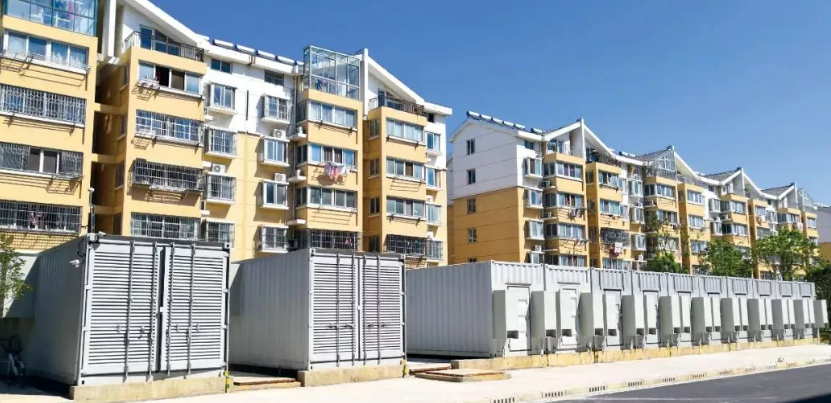
High-demand industrial facilities often benefit from containerized CBES, which offers economies of scale and improved cost efficiency. These systems can provide hundreds of kilowatt-hours of storage, ensuring reliable power for factories, campuses, or energy-intensive operations. The modular design allows flexibility in deployment and future expansions. By leveraging large-scale solutions, companies reduce per-kWh costs while maintaining operational reliability, energy independence, and sustainability compliance. These deployments exemplify the benefits of strategic sizing and investment in robust storage infrastructure.
Medium Commercial Deployments
Mid-sized enterprises achieve measurable savings and operational advantages with appropriately sized CBES. Systems are optimized to balance upfront investment with expected annual energy savings, often generating positive ROI within 5–7 years. These installations support peak shaving, backup power, and renewable energy integration, helping businesses reduce electricity costs and improve energy management. Medium-scale systems demonstrate how careful planning and TCO analysis ensure both financial and operational efficiency while supporting growth and sustainability goals.
Small Commercial Installations
Smaller businesses can deploy compact CBES solutions for backup power, peak shaving, and targeted energy savings. While per-kWh costs are higher than larger systems, these solutions provide energy security and incremental financial benefits. Small installations enable businesses with limited budgets to access advanced energy storage capabilities, improve operational resilience, and participate in energy management programs without large-scale investments. They also offer a pathway to scale up storage as energy needs grow.
Lessons Learned
Successful CBES deployment requires understanding TCO, energy usage patterns, and system scalability. Businesses benefit from careful selection of battery chemistry, system size, and financing strategies to maximize ROI. Strategic planning ensures cost-effectiveness while supporting operational reliability, energy independence, and sustainability objectives. Analyzing real-world examples provides insights into potential pitfalls, best practices, and expected financial and operational outcomes for different business scales.
Conclusion
The real cost of Commercial Battery Energy Storage in 2025 goes beyond per-kWh pricing. Businesses must consider upfront investment, operational costs, and total lifecycle value. Strategic deployment enhances savings, energy independence, and sustainability. Hunan Yintu Energy Co., Ltd. offers modular, efficient systems that optimize performance and ROI, supporting commercial energy goals effectively.
FAQ
Q: What is Commercial Battery Energy Storage?
A: Commercial Battery Energy Storage (CBES) refers to systems that store electricity for business use, helping manage peak demand, provide backup power, and support renewable energy integration.
Q: How much does Commercial Battery Energy Storage cost in 2025?
A: The commercial battery energy storage cost 2025 varies by system size and chemistry. Small to medium projects typically range from $280–$580 per kWh, while large containerized systems can drop to $180–$320 per kWh.
Q: What factors affect the cost of CBES?
A: Costs depend on battery type, system size, installation complexity, certifications, and regional labor. A clear commercial battery energy storage system cost breakdown helps businesses plan budgets and ROI.
Q: How can businesses maximize CBES ROI?
A: Evaluating system size, battery chemistry, and financing options enhances commercial battery energy storage ROI for businesses. Effective use for peak shaving, load shifting, and grid services improves payback.
Q: What are the long-term operational costs of CBES?
A: Long-term costs include maintenance, monitoring, and periodic battery replacements. Considering these expenses in total cost of ownership ensures accurate financial planning.
Q: Can CBES integrate with renewable energy systems?
A: Yes, Commercial Battery Energy Storage stores solar or wind energy for later use, improving sustainability and reducing reliance on the grid during peak periods.
Q: What is included in a commercial battery energy storage system?
A: Key components include battery packs, BMS, PCS/inverters, enclosures, and installation. The 2025 commercial battery storage system pricing reflects these elements and project complexity.
Q: How do system size and duration affect CBES pricing?
A: Larger systems benefit from economies of scale, lowering per-kWh costs. Longer-duration storage increases upfront costs but enhances energy independence and operational flexibility.
Q: Are there financing options for CBES installations?
A: Yes, shared savings, PPAs, and leasing reduce upfront costs, making it easier for businesses to adopt CBES while improving long-term commercial battery energy storage ROI.
Q: Why should businesses invest in CBES in 2025?
A: Strategic deployment offers cost savings, energy reliability, and sustainability benefits. Government incentives and stabilized material costs make commercial battery energy storage a smart 2025 investment.


