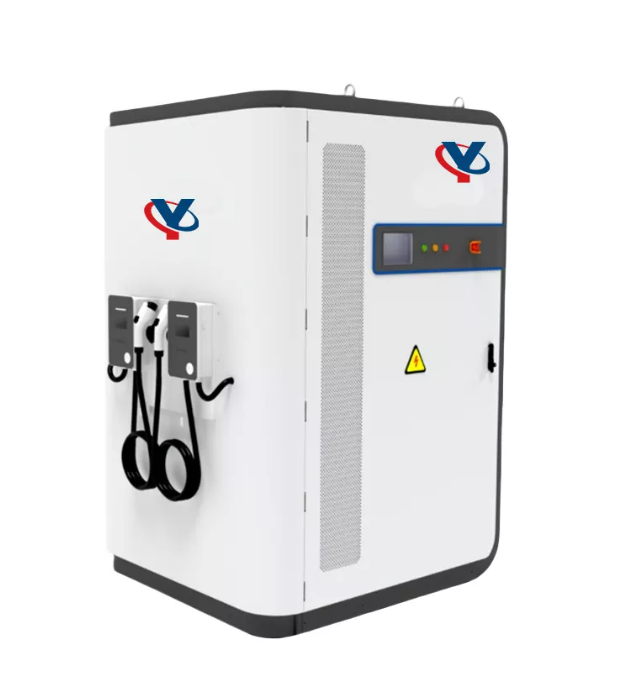
Battery Energy Storage Systems (BESS) are changing how we use energy by storing power from solar, wind, or the grid and releasing it during peak demand or outages. They help businesses and homes gain reliability, reduce costs, and support renewable integration. In this article, you will learn how BESS works, its key components, applications, and industry benefits.
Understanding Battery Energy Storage Systems
Definition of BESS
A Battery Energy Storage System is an integrated solution designed to store electrical energy efficiently. It captures energy from renewable and conventional sources and releases it when needed. Unlike simple batteries, BESS incorporates systems for management, conversion, and safety. These systems allow energy to flow seamlessly to homes, businesses, and the grid. They also support large-scale operations, ensuring stability and reducing peak load stress.
Core Purpose and Objectives
BESS is primarily used to manage peak demand, provide backup power, optimize energy costs, and integrate renewable energy. By storing electricity during low-demand periods and discharging during high-demand periods, it reduces operational costs and enhances resilience. Companies can shift energy usage strategically, participate in demand response programs, and improve sustainability. Its objectives align with broader energy transition goals and regulatory requirements.
How BESS Differs from Conventional Batteries
Unlike conventional batteries, BESS features a Battery Management System (BMS), Power Conversion System (PCS), and Energy Management System (EMS). These components enable intelligent energy control, real-time monitoring, and efficient power conversion. BESS also includes thermal and safety management systems that prevent overheating and extend battery lifespan. Conventional batteries cannot deliver this level of operational control, making BESS an advanced solution for commercial and industrial applications.
Key Performance Metrics
Performance of BESS is measured by storage capacity (kWh), power rating (kW/MW), depth of discharge (DoD), and cycle life. Other important metrics include round-trip efficiency, self-discharge rate, and response time. These metrics help determine the system’s suitability for different applications, from residential backup to grid-scale support. Choosing the right capacity and power rating ensures efficiency and cost-effectiveness.
How Battery Energy Storage Systems Work
Charging Mechanisms
BESS charges using electricity from solar panels, wind turbines, or the grid. A bidirectional inverter converts AC to DC during charging. The system can also receive energy from other sources such as gas or hydro plants in hybrid setups. Smart controllers optimize when and how much energy is stored, reducing waste and improving efficiency.
Energy Storage Process
Electricity is stored in battery cells as direct current (DC). Safety and thermal management systems maintain optimal temperature and prevent hazards. The stored energy remains ready for discharge at any time. Modern systems also monitor cell health and state-of-charge to maximize battery lifespan and performance.
Discharging and Power Delivery
During discharge, DC power is converted to AC for use in homes, businesses, or the grid. BESS prioritizes loads based on demand and cost optimization strategies. The system can respond within milliseconds to peak demand, supporting operational resilience and grid stability.
Smart Energy Management
AI-driven energy management systems enable predictive scheduling and automated load balancing. They forecast demand, optimize battery usage, and reduce energy costs. By learning usage patterns, BESS can maximize renewable energy utilization and support flexible operational strategies.
Grid Interaction
BESS interacts with the grid to provide frequency regulation, voltage stabilization, and ancillary services. It helps prevent blackouts, reduces stress on transmission infrastructure, and supports renewable integration. Grid operators can deploy BESS to address congestion, stabilize power quality, and participate in energy markets.
Core Components of Battery Energy Storage Systems
Battery Modules
Battery modules come in various chemistries including LiFePO₄, Li-ion NMC, lead-acid, sodium-sulfur, and flow batteries. Each offers a balance of energy density, lifespan, cost, and safety. Lithium-ion variants dominate commercial use due to high efficiency and fast response, while flow batteries suit long-duration storage needs.
Battery Management System (BMS)
The BMS monitors battery state-of-charge (SoC), state-of-health (SoH), and safety parameters. It ensures reliable operation, prevents overcharging or deep discharges, and extends battery lifespan. Without a BMS, battery performance could degrade quickly and pose safety risks.
Power Conversion System (PCS) / Inverter
PCS converts stored DC power to AC for practical use. It enables bidirectional energy flow, allowing the battery to charge from the grid or discharge to supply power. Modern inverters are highly efficient, reducing conversion losses and improving overall system performance.
Energy Management System (EMS)
EMS coordinates BMS, PCS, loads, and grid connections for optimal energy use. It ensures energy is dispatched efficiently and renewable integration is maximized. Intelligent EMS allows predictive control and automated demand response.
Thermal and Safety Management
Cooling and fire suppression systems maintain safe operating conditions. Temperature sensors prevent overheating, while monitoring systems detect anomalies. Thermal management improves efficiency and safeguards battery longevity.
System Enclosure and Modular Design
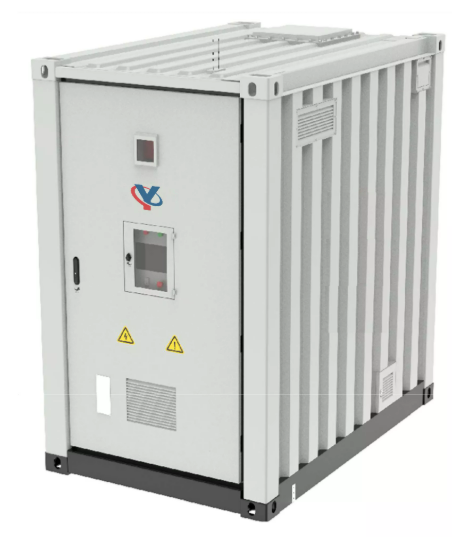
BESS enclosures protect equipment and allow modular scalability. They can be configured for residential, commercial, or utility-scale applications. Modular designs simplify maintenance and enable expansion as energy needs grow.
Component | Function | Typical Chemistries |
Battery Modules | Store energy | LiFePO₄, NMC, Lead-acid, Sodium-Sulfur, Flow |
BMS | Monitor safety & performance | N/A |
PCS / Inverter | Convert DC↔AC, bidirectional | N/A |
EMS | Optimize energy flow | N/A |
Thermal & Safety | Cooling & fire suppression | N/A |
Enclosure | Protection & modularity | N/A |
Functions and Advantages of BESS
Peak Shaving and Load Management
BESS reduces electricity costs by discharging stored energy during peak demand. It allows businesses to avoid high tariffs and smooth energy consumption patterns. Proper peak shaving reduces stress on the grid and improves overall system efficiency.
Renewable Energy Integration
Excess solar or wind energy is stored and used when generation drops. This ensures a reliable supply despite the intermittent nature of renewables. BESS supports decarbonization goals while enabling higher penetration of clean energy.
Backup Power and Operational Resilience
BESS provides critical backup power during outages, maintaining business continuity. Hospitals, factories, and data centers benefit from uninterrupted electricity supply, avoiding costly downtime and operational disruption.
Frequency Response and Grid Support
Fast-response energy output stabilizes grid frequency and voltage. BESS can deliver sub-second adjustments, maintaining balance between supply and demand. This service is monetizable through frequency response markets.
Energy Efficiency and Cost Optimization
Energy arbitrage and demand charge reduction improve financial returns. Storing low-cost electricity for later use reduces bills and optimizes overall energy spending. Businesses also benefit from reduced operational risk and energy independence.
Microgrid and Off-Grid Support
BESS enhances reliability for remote or islanded systems. It enables microgrids to operate independently while integrating with solar or other generation sources. This supports energy self-sufficiency and resilience in isolated locations.
Applications of Battery Energy Storage Systems
Residential Energy Storage
Homeowners increasingly adopt BESS to maximize self-consumption of solar energy and achieve energy independence. The system stores excess energy generated during the day for nighttime use, reducing reliance on the grid and lowering electricity bills. It also provides reliable backup power during outages and can support full off-grid operations. Modular and scalable designs allow households to expand storage capacity as energy needs grow, accommodating new appliances, electric vehicles, or future renewable installations. BESS enhances sustainability while improving household energy resilience and operational flexibility.
Commercial & Industrial Applications
BESS offers significant advantages for commercial and industrial users, including peak shaving, load management, and backup power for critical operations. Companies can reduce operational costs by storing low-cost energy for use during high-demand periods, while participating in energy markets and demand response programs generates additional revenue. Integration with on-site renewable generation, such as solar PV or combined heat and power systems, further optimizes energy efficiency and carbon footprint. The technology also supports sustainability reporting and ESG initiatives, making it an attractive solution for businesses seeking both financial and environmental benefits.
Utility-Scale Storage
Utilities leverage large-scale BESS to stabilize the grid, manage congestion, and store excess renewable energy. These systems allow flexible energy dispatch, supporting peak load balancing and preventing blackouts. Large-scale BESS deployments can defer investments in new transmission infrastructure and enhance grid resilience. By storing renewable energy when generation exceeds demand, utilities can smooth fluctuations and maintain stable electricity supply. The technology also provides ancillary services such as frequency regulation, voltage support, and reserve capacity, helping operators optimize grid performance while contributing to decarbonization goals.
Microgrids and Off-Grid Systems
Microgrids rely on BESS for energy independence, operational resilience, and integration with distributed renewable sources. Off-grid communities, industrial sites, and remote facilities use scalable storage to ensure continuous power supply despite variable generation or grid absence. BESS supports hybrid configurations with solar, wind, or diesel generators, optimizing reliability and energy efficiency. It enables load management, peak shifting, and emergency backup, ensuring mission-critical systems remain operational. By decoupling energy availability from grid dependency, BESS enhances autonomy, reduces operational risk, and facilitates energy self-sufficiency in remote or isolated locations.
Co-Location with Other Energy Sources
Co-locating BESS with solar, wind, or gas generation forms hybrid energy solutions that maximize system efficiency. By storing excess energy and dispatching it when needed, hybrid systems reduce costs and optimize renewable energy utilization. They also minimize land use and infrastructure investment while improving grid reliability and resilience. In commercial and industrial settings, co-located BESS enables demand response, load shifting, and participation in energy markets. Hybrid configurations allow for real-time energy optimization, combining intermittent renewable sources with reliable backup power to create a stable, cost-effective, and environmentally sustainable energy strategy.
Types and Technologies of BESS
Lithium-Ion Batteries
Lithium-ion batteries dominate residential, commercial, and utility-scale BESS due to high energy density, fast response, and long lifespan. They offer efficient energy conversion, minimal maintenance, and compact form factors suitable for space-constrained installations. Li-ion batteries also support rapid charging and high-cycle operations, making them ideal for applications requiring frequent peak shaving or grid services. Their scalability and performance consistency allow integration into hybrid systems with solar or wind energy, providing reliable power and cost optimization over time. Despite higher upfront costs, long-term efficiency and reduced operational risks make them the preferred choice for most modern BESS applications.
Lead-Acid Batteries
Lead-acid batteries remain relevant for cost-sensitive and small-scale applications due to their low initial investment and proven reliability. They are widely available, recyclable, and suitable for low-to-moderate energy demand scenarios. However, lead-acid batteries have lower energy density and slower cycling capabilities compared to lithium-ion, limiting their use in high-performance or long-duration storage. They are often used in backup systems, off-grid installations, or scenarios where simplicity and affordability outweigh advanced efficiency. Proper maintenance and monitoring are essential to extend lifespan and prevent premature capacity degradation.
Sodium-Sulfur Batteries
Sodium-sulfur batteries operate at high temperatures and are suitable for grid-scale energy storage applications. They offer high energy density, long cycle life, and efficient performance under large-scale operational conditions. Thermal management is critical to maintain safety and prevent degradation, as these batteries require temperatures above 300°C for optimal operation. Sodium-sulfur systems are ideal for industrial or utility deployments that demand long-duration energy storage, frequency regulation, and peak shaving at scale. Their robust performance and long life make them a valuable option for large-scale energy projects despite the need for specialized installation and handling.
Flow Batteries
Flow batteries store energy in liquid electrolytes, offering extended discharge duration and long cycle life. They provide safe operation, scalability, and flexible design, making them ideal for applications requiring multi-hour energy storage. Flow batteries allow independent scaling of energy and power capacity, which is advantageous for long-duration renewable integration or industrial microgrids. Their safety profile and long operational life reduce maintenance and replacement costs. While energy density is lower than lithium-ion, their modularity and ability to deliver consistent output over extended periods make them a strong candidate for utility-scale and off-grid applications.
Emerging and Next-Generation Batteries
Next-generation battery chemistries, including solid-state, zinc-bromine, and other innovations, aim to improve efficiency, safety, and lifecycle performance. These technologies promise higher energy density, faster charge/discharge cycles, and reduced environmental impact. As costs decline, they will expand BESS applicability across residential, commercial, and utility sectors. Emerging batteries can enable longer-duration storage, better renewable integration, and reduced footprint for space-constrained projects. Companies adopting next-generation solutions gain a competitive advantage through lower operational costs, enhanced reliability, and alignment with sustainability and ESG goals.
Financial and Operational Benefits
Lower Energy Costs
BESS allows users to store electricity when prices are low and discharge during peak-rate periods. This energy arbitrage reduces overall energy bills and improves operational efficiency. Businesses can use stored energy to avoid peak demand charges while maintaining consistent power for critical operations. When combined with renewable generation, BESS maximizes self-consumption, further lowering costs and supporting sustainability initiatives. Over time, the savings achieved from strategic energy management can justify initial investment and improve return on energy expenditure.
Return on Investment
By optimizing energy usage, reducing demand charges, and participating in grid services, BESS can generate attractive ROI. Savings increase when systems integrate with on-site renewable energy, reducing dependence on grid electricity. Additionally, BESS can extend the life of backup generators and defer infrastructure upgrades, further improving financial outcomes. Businesses can calculate ROI by considering operational savings, avoided costs, and potential revenue from ancillary services or participation in energy markets. Long-term benefits often outweigh upfront capital costs, particularly for large-scale commercial or industrial installations.
Revenue Generation
BESS creates revenue streams through participation in energy markets, demand response, frequency response, and ancillary services. Commercial and utility-scale systems can monetize flexibility by providing fast-response energy output and grid balancing services. Energy arbitrage, time-of-use optimization, and contractual agreements such as power purchase agreements (PPAs) further enhance financial returns. The ability to “stack” revenue streams increases profitability while supporting grid stability and renewable integration, making BESS an attractive business investment beyond operational savings.
Reduced Grid Dependency
Continuous power supply is guaranteed even during grid instability, outages, or renewable intermittency. This independence enhances operational resilience, protects against energy price volatility, and reduces reliance on traditional fossil-fuel generation. Businesses can maintain critical operations without interruption, while also supporting sustainability targets by maximizing renewable energy use. Reduced grid dependency also allows companies to participate more actively in energy management programs, contributing to smarter energy strategies and improved long-term operational security.
Future Trends and Innovations in BESS
AI-Driven Energy Management
Artificial intelligence and predictive analytics optimize BESS operation for energy efficiency, cost savings, and reliability. Automated scheduling, load forecasting, and dynamic dispatch enable businesses to reduce energy waste and respond to peak demand efficiently. AI-driven systems can learn consumption patterns, adjust storage usage in real-time, and predict maintenance needs, extending battery life. Integration with smart grids and IoT devices enhances visibility and control over energy assets, allowing businesses to maximize the value of stored energy and participate in advanced energy markets.
Advanced Battery Technologies
Emerging batteries promise higher energy density, longer lifespans, improved safety, and reduced environmental impact. Innovations such as solid-state cells, zinc-bromine flow batteries, and hybrid chemistries enhance both performance and scalability. These technologies expand the potential applications of BESS, enabling long-duration storage and seamless renewable integration. Early adoption provides competitive advantages by reducing operational costs, improving sustainability metrics, and supporting long-term energy resilience strategies across multiple sectors.
Grid Interactivity and Virtual Power Plants (VPPs)
BESS systems can aggregate multiple distributed energy assets into virtual power plants, providing grid services at scale. VPPs enhance revenue generation, optimize energy dispatch, and enable participation in frequency regulation, demand response, and ancillary services markets. Businesses can monetize their stored energy while supporting decentralized energy networks, improving grid reliability and flexibility. The combination of BESS and VPP technology empowers operators to dynamically manage supply, maximize efficiency, and create new business opportunities.
Sustainability-Driven Solutions
Integration with renewable energy and ESG strategies reduces environmental impact and supports net-zero goals. BESS helps businesses and utilities meet carbon reduction targets, improve energy efficiency, and enhance corporate sustainability profiles. Systems designed for recyclability, second-life applications, and reduced lifecycle emissions further enhance environmental benefits. By prioritizing sustainability in BESS deployment, companies can align energy strategy with regulatory compliance, stakeholder expectations, and long-term resilience objectives.
Conclusion
Battery Energy Storage Systems enhance reliability, integrate renewable energy, and optimize costs. Hunan Yintu Energy Co., Ltd. offers versatile solutions like the 144kWh Energy Storage Cabinet, supporting commercial and industrial operations while boosting efficiency and resilience. Deploying BESS strategically delivers financial, operational, and sustainability benefits.
FAQ
Q: What is a Battery Energy Storage System (BESS)?
A: A Battery Energy Storage System stores electricity from renewable or grid sources for later use. It balances supply and demand, provides backup power, and supports operational efficiency. This battery energy storage system overview helps explain its core functionality.
Q: How do Battery Energy Storage Systems work?
A: Battery Energy Storage Systems charge from solar, wind, or the grid, store energy in battery modules, and discharge as needed. Intelligent management systems optimize energy use. You can explore battery energy storage system applications explained in residential, commercial, and utility settings.
Q: What are the benefits of Battery Energy Storage Systems for industry?
A: Industries benefit from cost reduction, demand charge management, grid support, and backup power. Battery energy storage system benefits for industry include enhanced operational resilience, sustainability, and energy market participation.
Q: Can BESS be used for residential applications?
A: Yes. Homeowners use Battery Energy Storage Systems for self-consumption, emergency backup, and off-grid power. Battery energy storage system applications explained include storing solar energy for nighttime or peak demand periods.
Q: How does BESS differ from conventional batteries?
A: Unlike simple batteries, BESS integrates Battery Management Systems, Power Conversion Systems, and intelligent energy control. This ensures efficient charging, discharging, and long-term reliability.
Q: Are Battery Energy Storage Systems cost-effective?
A: BESS reduces electricity costs through peak shaving, energy arbitrage, and improved efficiency. Over time, these systems offer strong return on investment, especially when paired with on-site renewables.
Q: What types of batteries are used in BESS?
A: Common BESS batteries include lithium-ion, lead-acid, sodium-sulfur, and flow batteries. Each type suits different applications and durations. Emerging technologies provide improved efficiency, safety, and scalability for modern energy systems.


