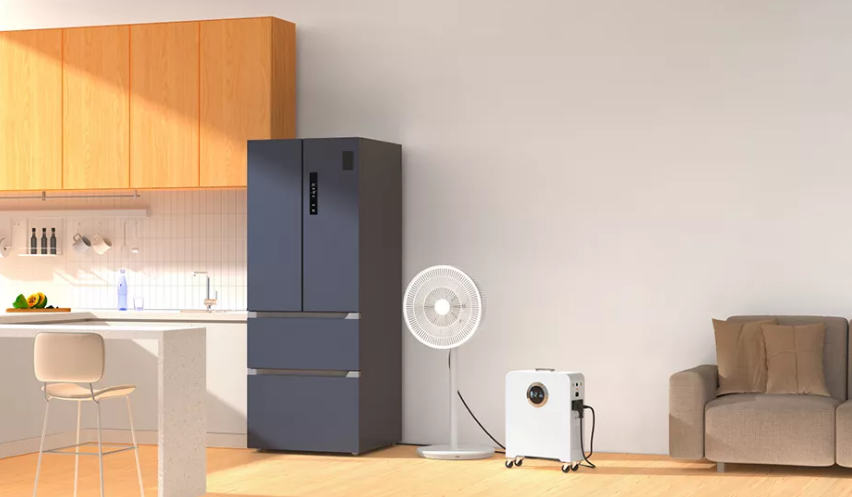
Ever wondered how your home could store its own power? Residential Energy Storage lets you capture solar energy and use it whenever you need it, turning homes into active energy managers instead of passive consumers. In this article, you’ll learn what residential energy storage is, how it works, and why it’s becoming essential for modern, energy-smart living.
Understanding Residential Energy Storage Systems
What Residential Energy Storage Means for Homeowners
For homeowners, a residential energy storage system how it works becomes a key piece of the energy puzzle. It means capturing surplus power—say from rooftop solar—and holding it until it’s needed. This helps reduce dependence on the utility grid and gives homeowners greater control over when and how they use electricity. It transforms energy from being simply delivered to being managed.
The Connection Between Solar Power and Energy Storage
Most homes installing storage also have a solar photovoltaic (PV) system. The integration ensures that the energy generated during sunny hours doesn’t go to waste but instead feeds into a battery and is used later. With how residential battery energy storage works, the solar–battery combo can shift electricity use from midday to evening or off-peak hours, optimizing both cost and usage.
Why Energy Storage Is Becoming Essential
There are several drivers behind the increased interest in residential storage. Grid instability, rising electricity prices, and the push for sustainability are key. In many regions, it’s no longer just about having solar power—it’s about managing when and how that power serves the home. In fact, storage enables higher self-consumption of clean energy, reducing reliance on the grid and protecting against outages.
Types of Residential Energy Storage Technologies
Battery Type | Advantages | Considerations |
Lithium-ion | High efficiency, long lifespan | Higher upfront cost |
Lead-acid | Low cost upfront | Shorter lifespan, less depth-of-discharge |
Flow batteries | Long-duration, scalable | Large footprint, high initial cost |
Thermal storage | Integrates with heating/cooling | Limited use cases |
Hybrid models | Flexible, combines multiple tech | Complex management |
How Residential Energy Storage Works
The Core Working Principle
At the heart of the system is a simple cycle: produce or import electricity, store it, then discharge it when needed. With a solar-battery setup, daytime solar leftover is stored in the battery. When the sun sets or when demand peaks, the battery discharges. This is the essence of residential energy storage technology for homeowners.
Key Components of a Residential Energy Storage System
● Battery cells and modules: The building blocks of the storage unit—they store energy in chemical form and release it when needed.
● Inverter: This converts DC from the battery or solar panels into AC usable by household appliances. Efficiency here matters for overall system performance.
● Battery Management System (BMS): It monitors state-of-charge, temperature, safety and ensures the battery operates according to specs.
● Smart meter or controller: It optimizes energy flows between the grid, storage and home loads. It helps decide when to charge, discharge or let the grid supply the home.
The Energy Flow Cycle in Daily Use
Here’s a simplified daily flow: during the day your solar panels generate electricity. Your home uses what it needs. The excess is routed into the battery. When evening arrives and solar production falls, the battery discharges and supplies your home. If battery storage depletes or you’re off-grid, the utility grid can supply the remainder. If you’re grid-connected, some systems even send surplus to the grid when advantageous.
Grid-Connected vs. Off-Grid Operation
A grid-connected system keeps the home linked to the utility. The battery supplements when needed. An off-grid system is fully autonomous—no connection to the grid. It relies entirely on stored energy and onsite generation. Homes in remote or unreliable grid areas often choose this. The decision affects system size, cost and management strategy.
Hybrid Systems — The Future Standard
Hybrid systems blend solar, battery and grid interaction with smarter control. They may support time-of-use shifting, smart tariffs and more. They embody the next level of storage sophistication: you’re not only storing energy but optimizing when to buy, store and use it. This is a key part of how residential storage will evolve.
Components Explained — Inside a Home Energy Storage Setup
Battery Types and Performance Factors
When comparing battery chemistries, lithium-ion stands out for its high efficiency, long cycle life, and shrinking cost. Lead-acid remains cheaper but has shorter lifespan and lower depth-of-discharge. Key performance factors include cycle life, round-trip efficiency, cost per kWh and safety. Choosing the right chemistry matters when implementing a home system.
Inverter and Conversion Efficiency
Even if your battery can store lots of energy, if the inverter or conversion process is inefficient you’ll lose significant value. Many modern systems achieve over 90% efficiency in conversion from DC to AC. Ensuring the inverter is properly sized and well-matched to your battery and solar system helps maximize return.
Role of the Battery Management System (BMS)
The BMS ensures safety and performance. It monitors battery temperature, voltage, depth of discharge, and overall health. It prevents over-charging, deep discharging and thermal issues. A well-designed BMS extends battery life and safeguards the system.
Smart Home Integration and Energy Monitoring
Modern systems include apps, interface dashboards and sometimes AI-based algorithms that let the user monitor and control the system. You can set priorities—like “always have 20% reserve,” or “use solar first, then battery, then grid.” These tools help you realize the full promise of residential energy storage solutions for homes by making energy management smarter.
Energy Capacity, Power Rating, and System Sizing
Measuring Capacity — What Is kWh?
Capacity is measured in kilowatt-hours (kWh). It tells you how much energy the battery can store. If a 10 kWh battery is fully charged, it can supply one kilowatt of load for 10 hours (minus losses). Understanding this helps match system size to your household needs.
Determining the Right Size for Your Home
Sizing a system involves assessing typical energy use, peak loads, storage goals (backup vs. cost saving) and budget. Many homeowners start with 5-15 kWh. For example, a family aiming to run essentials overnight might choose 10 kWh. Load prioritization and usage patterns influence the final decision.
Duration of Power Supply During Outages
As a practical example: if your essential loads total 1 kW (fridge, lights, WiFi, etc.), a 10 kWh battery might power them for roughly 10 hours (ignoring inefficiencies). If your load is higher, the duration drops. Such calculations help you decide how many kWh you need for backup purposes.
The Impact of Load Prioritization
When battery capacity is limited, homeowners choose which circuits or appliances get priority. It might be lighting and communication first, HVAC next, and non-essentials last. This helps maximize value from your system and ensures the most critical loads are covered in an outage.
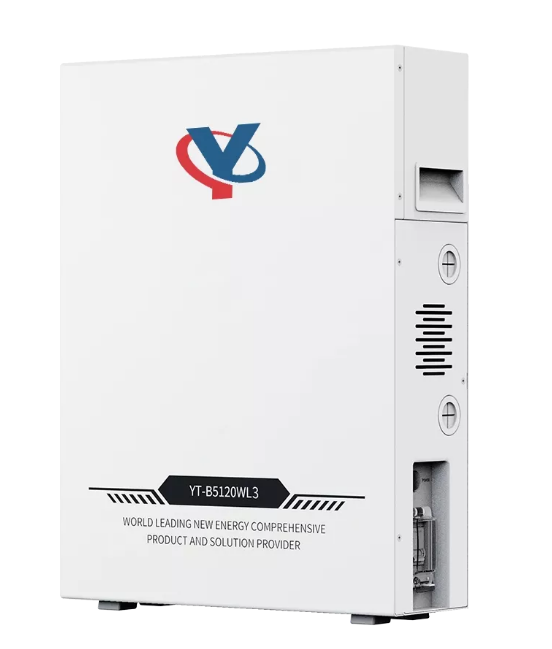
Benefits of Residential Energy Storage
Energy Independence and Self-Consumption
One of the leading advantages of residential battery storage is increasing self-consumption of generated energy. Instead of exporting surplus solar power to the grid at low value, you store it and use it yourself when it matters most. That increases energy independence and often reduces utility bills.
Backup Power and Reliability
In areas with frequent outages or unreliable grid supply, having a home battery means your home stays powered for your chosen loads when the grid fails. This reliability is a major factor in why many homeowners evaluate residential energy storage technology for homeowners.
Cost Savings and Peak Shaving
By storing energy during off-peak hours or when your solar panels are producing and using it during peak price hours, you can shave your peak consumption and lower electricity costs. Many utility tariffs make this strategy economically attractive.
Environmental Impact and Carbon Reduction
When you store surplus solar energy and use it later, you reduce your reliance on grid electricity often generated from fossil fuels. That reduces your household’s carbon footprint and supports overall sustainability goals.
Enhancing Grid Stability
While homes benefit individually, distributed storage across many homes contributes to grid stability. Home batteries help reduce peak demand, smooth out generation fluctuations, and support utility efforts to maintain reliability. This is a broader benefit of residential storage.
Adding Energy Storage to Existing Solar Systems
Retrofitting Solar Installations with Batteries
If you already have solar panels, adding a battery is often a smart next step. The process involves assessing your current system, verifying compatibility, and installing the battery and associated controls. This retrofit approach allows you to upgrade your system gradually rather than starting from scratch.
AC-Coupled vs. DC-Coupled Systems
There are two common architectures: AC-coupled systems connect the battery via the home’s AC bus (suitable for retrofits); DC-coupled systems integrate the battery closer to the solar panels and often offer higher efficiency for new installations. Understanding which architecture suits your home is vital.
Installation Considerations and Safety
Proper installation matters. Choose a location with adequate ventilation, minimal heat exposure, clearances as per local codes, and accessibility for monitoring. Safety features like proper disconnects, fire suppression, and compliance with local building standards should not be overlooked.
Monitoring and Maintenance
After installation, it’s important to monitor battery health, firmware updates, and performance. Premium systems provide mobile apps or dashboards. Routine checks ensure you maintain optimal performance and identify issues before they become expensive.
Challenges and Future Trends in Residential Energy Storage
Current Limitations — Cost and Efficiency
Although battery prices have dropped significantly in the past decade, the initial investment for residential energy storage remains substantial for many households. Efficiency losses during charge and discharge cycles, gradual capacity fade, and replacement costs over time continue to challenge overall system economics. For most homeowners, realizing a positive return on investment requires strategic system sizing, smart energy use patterns, and taking advantage of government incentives or utility rebates.
Advances in Battery Chemistry and Design
Innovation in battery technology is transforming the storage landscape. Sodium-ion and solid-state batteries promise higher energy density, longer lifespans, and improved safety compared to traditional lithium-ion models. Flow batteries offer virtually unlimited cycle life and are ideal for long-duration applications. Modular designs are making installation more flexible and scalable, allowing homeowners to expand capacity as their energy needs grow. These developments are rapidly making home energy storage more affordable and efficient.
Policy Support and Grid Integration
Government incentives, tax credits, and evolving grid policies are accelerating the adoption of residential energy storage systems. Time-of-use tariffs, net metering, and demand-response programs encourage households to shift consumption and store energy during off-peak hours. As home batteries become integrated into grid operations, they can provide services such as frequency regulation and load balancing. This not only benefits homeowners financially but also enhances overall grid resilience and stability.
The Role of AI and Smart Grids
Artificial intelligence and smart grid technology are revolutionizing how residential energy storage operates. AI-driven algorithms can forecast solar generation, predict consumption patterns, and automatically optimize charge and discharge cycles for cost efficiency. Smart systems coordinate with the grid to minimize peak loads and respond to real-time energy prices. For homeowners, this translates into higher savings, extended battery life, and a seamless, automated energy experience with minimal manual intervention.
Choosing and Managing a Residential Energy Storage System
Assessing Household Energy Needs
Understanding your home’s energy profile is the first step toward choosing the right storage system. Review your utility bills to identify daily consumption patterns and peak demand times. Determine which appliances you want powered during an outage and how long you need backup energy. This analysis helps size the system correctly, ensuring you neither overspend on unnecessary capacity nor fall short during critical moments.
Comparing Storage Options
When evaluating different residential energy storage systems, focus on key metrics like usable capacity (kWh), continuous power output (kW), round-trip efficiency, and warranty period. Compatibility with existing solar installations and inverter technology is crucial. Consider total lifecycle cost, including degradation rate and maintenance expenses. Comparing these aspects allows you to select a system that balances affordability, performance, and longevity according to your household needs.
Installation, Operation, and ROI Considerations
Installation costs can vary widely depending on system size, brand, and local regulations. Partnering with a certified installer ensures safety and compliance. Operationally, maximizing ROI involves using stored power during peak rate periods, maintaining proper charging schedules, and leveraging incentives such as solar-plus-storage tax credits. Over a 10-year span, well-optimized systems can significantly offset electricity costs while enhancing home resilience.
Maintenance and Monitoring Best Practices
Modern storage systems require minimal physical maintenance but benefit from proactive monitoring. Keep firmware and software updated to maintain optimal performance and security. Regularly inspect connections, ventilation, and environmental conditions around the battery. Use smart monitoring tools or mobile apps to track real-time performance, detect anomalies early, and ensure the system delivers consistent energy savings and reliability over its lifespan.
Conclusion
Residential Energy Storage is reshaping how homes produce, store, and use power, giving homeowners more control and energy security. By learning how these systems work and managing them wisely, families can enjoy lower costs and greater sustainability. Hunan Yintu Energy Co., Ltd. offers advanced storage solutions that combine efficiency, safety, and intelligent design, helping homeowners achieve reliable, eco-friendly, and future-ready energy independence.
FAQ
Q: What is Residential Energy Storage?
A: Residential Energy Storage refers to a system that stores electricity—often generated by solar panels—for later use. It helps homeowners manage when they use power, ensuring energy is available during outages or at night. Understanding a residential energy storage system how it works is key to maximizing efficiency and savings.
Q: How does a residential battery energy storage system work?
A: To understand how residential battery energy storage works, think of it as a rechargeable power bank for your home. It stores extra solar or grid energy in batteries and releases it when needed, reducing reliance on the utility grid and cutting energy costs.
Q: Why is Residential Energy Storage important for homeowners?
A: Residential Energy Storage gives homeowners energy independence, cost control, and reliable backup during outages. It also increases the use of renewable energy, making homes greener. This is why many are investing in residential energy storage technology for homeowners.
Q: How much does a Residential Energy Storage system cost?
A: The cost of Residential Energy Storage depends on battery size, brand, and installation. On average, systems range from $8,000 to $20,000. Larger systems or those with advanced residential energy storage solutions for homes offer higher performance and longer lifespan.
Q: Can I add Residential Energy Storage to my existing solar panels?
A: Yes. Many homeowners retrofit a Residential Energy Storage unit to existing solar systems. This setup stores unused daytime energy for evening use, improving efficiency and overall system value.
Q: What are the main benefits of using a residential energy storage system?
A: A residential energy storage system helps lower electricity bills, provides backup during outages, and supports sustainable energy use. It also offers peace of mind and greater control over how and when energy is used.
Q: What maintenance does a Residential Energy Storage system require?
A: Residential Energy Storage systems need minimal maintenance—mostly software updates, monitoring battery health, and keeping units ventilated. Understanding residential energy storage system how it works ensures long-term performance and safety.
Q: How long does a residential battery last?
A: Most residential battery storage systems last 10–15 years, depending on usage, environment, and quality. Modern residential energy storage technology for homeowners is designed for longer lifespan and improved efficiency with less degradation over time.
Q: Is Residential Energy Storage environmentally friendly?
A: Yes. Residential Energy Storage supports sustainability by maximizing the use of solar power and reducing reliance on fossil fuels. It helps lower carbon emissions and contributes to a cleaner, smarter energy future.
Q: What factors should I consider before buying a Residential Energy Storage system?
A: Before purchasing Residential Energy Storage, assess your energy use, goals, budget, and solar setup. Compare residential energy storage solutions for homes based on capacity, warranty, and compatibility to ensure the best performance and return on investment.


