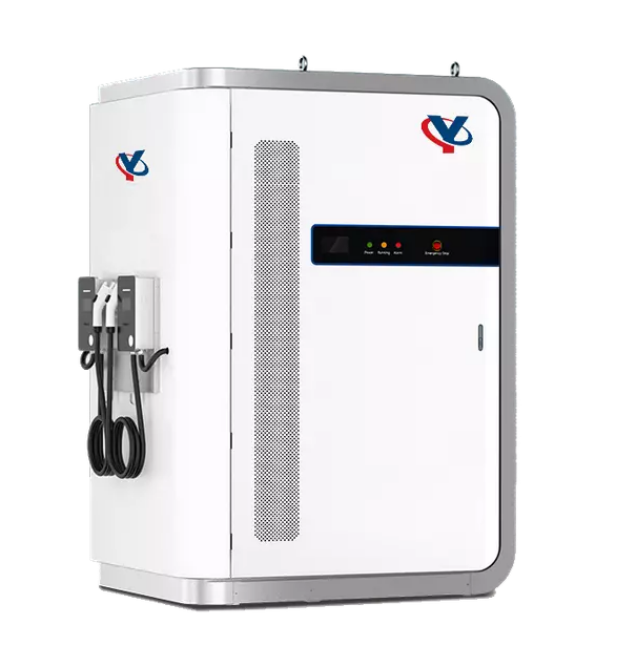
A commercial energy storage system lets you keep electricity when it is cheap or there is a lot of it. You can use this electricity later when your business needs it most. You get more control over your energy by using batteries, a battery management system, inverters, and an energy management system. These parts work together to make sure your electricity is safe and always there when you need it. Sensors and cooling systems stop the system from getting too hot and help your commercial energy storage system work well. You can use the stored energy to run your business, save money, and stop problems when electricity costs more or is hard to get.
Key Takeaways
Commercial Energy Storage System Overview
Definition & Purpose
Commercial energy storage systems help businesses use electricity better. They collect energy from the grid, solar panels, or wind turbines. The system saves this energy for later use. These systems are bigger and stronger than home batteries. This means your business gets steady electricity, even when demand is high or the grid is weak.
The main goal is to let you decide when to use electricity. You can save energy when prices are low or when there is extra from renewables. Later, you use this stored energy during busy times or blackouts. This helps you spend less money and keeps your business working well.
Here is a table that shows why businesses install commercial energy storage systems:
Purpose | Description |
Cost Savings | Cuts electricity costs by using stored solar energy. |
Backup Power | Gives emergency power during outages and stops big losses. |
Losing power can cost your business a lot of money. Downtime can be over $100,000 each hour. Commercial energy storage systems protect you by switching fast to backup power and lowering these losses.
You also get steady power, even if the grid stops working. In places with extra charges or changing rates, these systems help save money.
How Businesses Use Energy Storage
Businesses use commercial energy storage systems in many ways. These systems store extra energy from solar panels or wind turbines. You can use this saved electricity when the grid is busy or prices go up.
Many businesses use commercial energy storage systems. Here is a table that shows which types benefit most:
Business Sector | Description |
Retail | Retail stores use energy storage to save money and stay reliable. |
Manufacturing | Factories use energy storage to work better. |
Logistics | Logistics companies use energy storage to control energy costs. |
Agriculture | Farms use energy storage for savings and better operations. |
You can find commercial energy storage systems in offices, malls, factories, hospitals, and schools. Each place uses energy storage for different reasons. Offices use it to lower peak charges. Malls use it with rooftop solar panels. Factories use stored power to keep making products during outages. Hospitals need backup power for important work. Schools use stored electricity to help learning during outages.
Here are some common ways businesses use commercial energy storage systems:
Save extra energy from renewables.
Give backup power during outages.
Use more renewable energy.
Help the grid with balancing and regulation.
If you want to know how these systems work, you can follow these steps:
Save energy when demand is low.
Give backup power during outages.
Use more renewable energy.
Help keep the grid stable.
More businesses want commercial energy storage systems now. Companies are using more renewable energy, so they need more storage. Better lithium-ion batteries make systems cheaper and stronger. More companies are adding rooftop solar and local energy, so storage is more useful. Demand response programs help you save by using stored energy when prices are high. Bad weather makes businesses buy storage for backup power. Sustainability programs push you to use energy storage to cut pollution. New software makes it easier to use energy storage with your business. New rules give more chances to use energy storage. As more businesses use electricity, the need for energy storage keeps growing.
You may have some problems when adding commercial energy storage systems. Technical problems can make systems not work well with the grid. High costs and unsure savings can make you wait. Rules and permits are different in each place, which can slow things down. Supply chain problems and changing energy prices can be risky. You also need to think about being green and how to get rid of old batteries.
If you look at market growth, commercial energy storage systems are growing fast. The market could reach $4,824 million by 2025 and $34,340 million by 2031, with a yearly growth rate of 38.7%. This means more businesses are choosing commercial energy storage systems to manage electricity, help the grid, and get reliable power.
How Energy Storage Systems Work
Charging & Discharging Process
Energy storage systems help you collect and use electricity when you need it. Charging starts when the system gets electricity from the grid or solar panels. The system changes this electricity from AC to DC. This lets the batteries store the energy. The batteries are big and can hold a lot of energy with little loss.
Here is how charging and discharging usually works:
Charging: The system takes electricity from the grid or solar panels. It changes the electricity to DC and charges the batteries.
Storing: The batteries keep the energy until you need it. These batteries do not lose much energy while storing it.
Discharging: When your business needs power, the system changes DC energy back to AC. You use this electricity when demand is high or during blackouts.
Managing: A computer watches prices and demand. It picks the best times to charge or use the batteries.
The battery type you pick changes how much energy you get. The table below shows how well different batteries charge:
Battery Type | Charging Efficiency |
Lithium-ion Battery | ~95%-98% |
Lead-acid Battery | ~80%-85% |
Lithium-ion batteries give you more energy and waste less. Lead-acid batteries lose more energy, so you get less from them.
Tip: You can save money by charging your system when electricity is cheap and using stored energy when prices are high.
Managing Stored Energy
You need smart ways to use stored energy for the best results. Energy storage systems use software and sensors to watch how much energy you use and when. The system can move energy use to cheaper times or help you avoid high charges.
Here are some ways to manage stored energy:
Strategy | Description |
Peak Shaving | The system checks past energy use to find busy times. It sends stored energy to lower your demand. |
Load Shifting | The system stores extra power when prices are low. It uses stored energy when prices go up. |
Renewable Integration | The system mixes battery, solar, and grid power to cut your total energy costs. |
Outage Management | The system uses stored energy during outages and keeps important equipment running. |
These strategies help you control costs and keep your business working. The system uses data and smart tools to make good choices. Real-time checks help you change energy use as things happen. Planning ahead lets you know when to store and use energy.
Load Shifting moves energy use from busy times to quiet times. You pay less for electricity.
Peak Clipping lowers your highest energy use. You avoid extra charges.
The system looks at utility rates and finds the best times to store and use energy.
You store energy when it is cheap and use it when prices are high.
Energy storage helps you balance supply and demand. You get steady power and fewer surprises. You can use more renewable energy and save money. Your business stays strong, even if the grid has problems.
System Components
Batteries (Lithium-ion, LiFePO4)
Batteries are the main part of your energy storage system. They keep electricity so you can use it later. There are two common types: lithium-ion and LiFePO4. Each type has its own benefits. Lithium-ion batteries hold a lot of energy in a small space. LiFePO4 batteries are safer and last longer. These batteries work well for solar energy, boats, and backup for factories.
Here is a table to compare these battery types:
Battery Type | Applications | Key Features |
LiFePO4 | Solar energy storage, marine systems, industrial backup | Safety, reliability, long life |
Lithium-ion | Electric vehicles, power tools, portable electronics | Higher energy density, compactness, weight reduction |
LiFePO4 batteries can last for 2,000 to 5,000 cycles. They are stable and less likely to catch fire. Lithium-ion batteries do not last as long and can be unsafe if used wrong. Most batteries can reach up to 4,000 cycles, so you get many years of use.
Battery Management System (BMS)
A battery management system keeps your battery safe and working well. The BMS checks each cell all the time. It stops overheating, disconnects loads, and balances cells. This keeps your battery strong. The BMS also checks how much charge is left and the health of the battery. It uses thermal management to stop overheating and helps the battery last longer.
Aspect | Description |
Real-time Monitoring | Prevents unsafe operation and enables proactive maintenance. |
Protection Mechanisms | Disconnects loads or limits current to prevent fires and failure. |
Cell Balancing | Keeps all cells at optimal levels, preventing capacity loss. |
Thermal Management | Maintains safe temperature ranges to prevent overheating. |
If something goes wrong, the BMS can stop charging or discharging. This protects your battery and keeps your system safe.
Inverters & Energy Management System (EMS)
Inverters change DC electricity from batteries into AC power. This lets your business use the stored energy. Inverters control how energy moves between storage and equipment. They help you use energy in the best way.
The energy management system is like the brain of your storage. It decides when to charge or use energy. The EMS works with the battery, the grid, and renewables. It helps you save money and keeps the grid steady. The EMS also guesses how much energy you will need and manages storage for the best results.
Tip: A good EMS helps you save by using stored energy when prices are high and charging when rates are low.
Benefits & Applications
Cost Savings & Peak Shaving
Energy storage helps you pay less for electricity. Many businesses use it to lower costs. You can charge batteries when power is cheap. Later, you use stored energy when prices go up. This helps you avoid high charges from the utility company. You might save 15-30% on your bills by using peak shaving and energy arbitrage. Factories save the most because they use lots of power. Offices and stores also see steady savings.
Charge batteries when energy costs less.
Use stored power when prices are high.
Smart meters help you track and guess busy times.
Keep your power use under set limits.
Advantage | Description |
Improved Energy Management | Helps you use energy better and pay less during busy times. |
Reduced Energy Costs | Lets you control costs by using energy wisely. |
Backup Power & Reliability
Energy storage gives you backup power when you need it. Power outages can stop your business and cost money. With energy storage, you get reliable backup for important work. Most batteries last for short outages, usually under three hours. This protects you from about half of all outages. Hospitals, data centers, and shipping centers depend on energy storage to keep working. Special systems help protect your equipment and keep things running.
Power outages cost U.S. businesses billions each year. Energy storage helps you avoid these losses by giving you backup power.
Renewable Energy Integration
Energy storage lets you use more renewable energy. Solar energy storage systems save extra power from the sun for later. This gives you steady power, even when solar panels or wind turbines do not make enough. Energy storage acts as a buffer between renewables and the grid. You get more reliable and steady energy, especially in places with lots of solar power. By using energy storage, you use less fossil fuel and help the planet.
Save extra energy from renewables.
Use stored power when renewables make less.
Rely more on clean energy.
Commercial energy storage systems help many types of businesses. Factories, hospitals, shipping centers, and fleet operators all benefit. You can manage energy better, save money, and help the environment with energy storage.
Commercial energy storage systems help you control your energy use. You can store energy when prices are low. You use stored energy when demand goes up. These systems have batteries, inverters, and software to manage them. The table below lists important facts about how they work:
Key Point | Description |
Cost Savings | You pay less for electricity and skip high charges. |
Reliability | Your business keeps working during power outages. |
Sustainability | You use more renewable energy and lower pollution. |
Independence | You do not need the grid as much for power. |
If you want to learn about energy storage, check how much energy you use. Look for rewards or discounts. Talk to people who know about energy storage. You can make your business more reliable, save money, and help the environment.
FAQ
What is the lifespan of a commercial energy storage system?
Most commercial energy storage systems last 10 to 15 years. The battery type and how much you use it matter. Doing regular maintenance helps your system last longer.
How safe are commercial energy storage systems?
These systems have strong safety features. Battery management systems stop overheating and fires. Sensors and cooling systems keep your equipment safe. Always follow the manufacturer’s rules for safe use.
Can you expand your energy storage system later?
You can add more batteries or upgrade parts as your business grows. Many systems have modular designs. Ask your provider about options that fit your needs.
How much maintenance does the system need?
You should check batteries, software, and cooling systems often. Most systems send alerts if there is a problem. Plan yearly inspections to keep your system working well.
What types of businesses benefit most from energy storage?
Factories, hospitals, retail stores, and logistics centers benefit most. These businesses save money, get backup power, and use more renewable energy.


