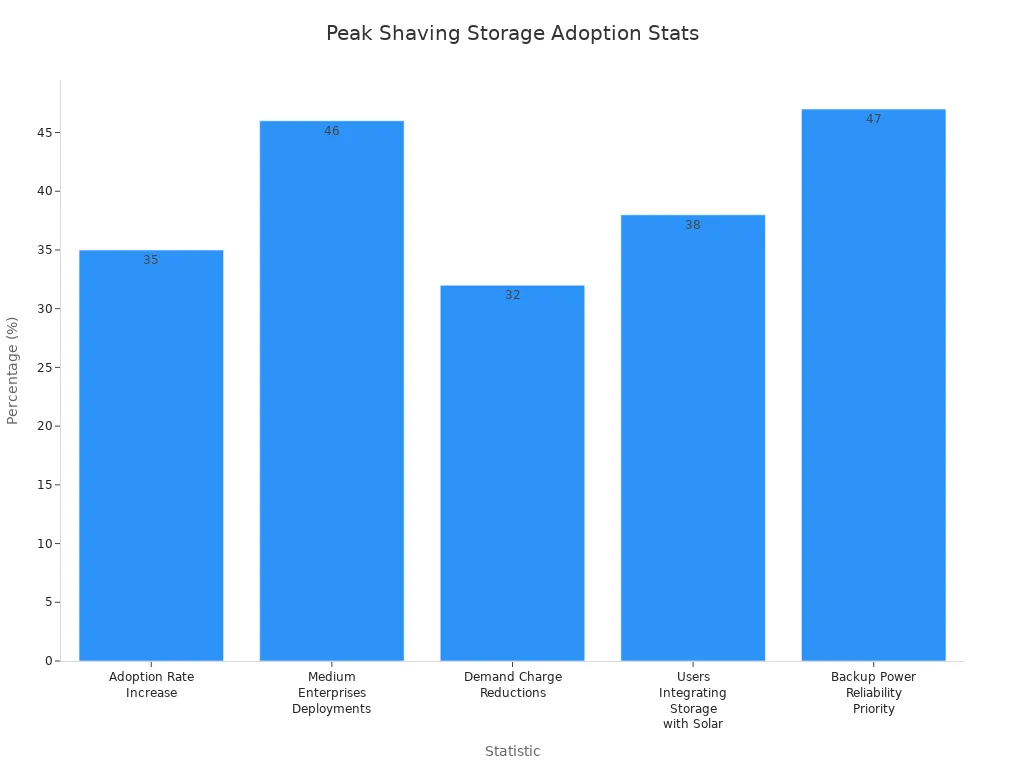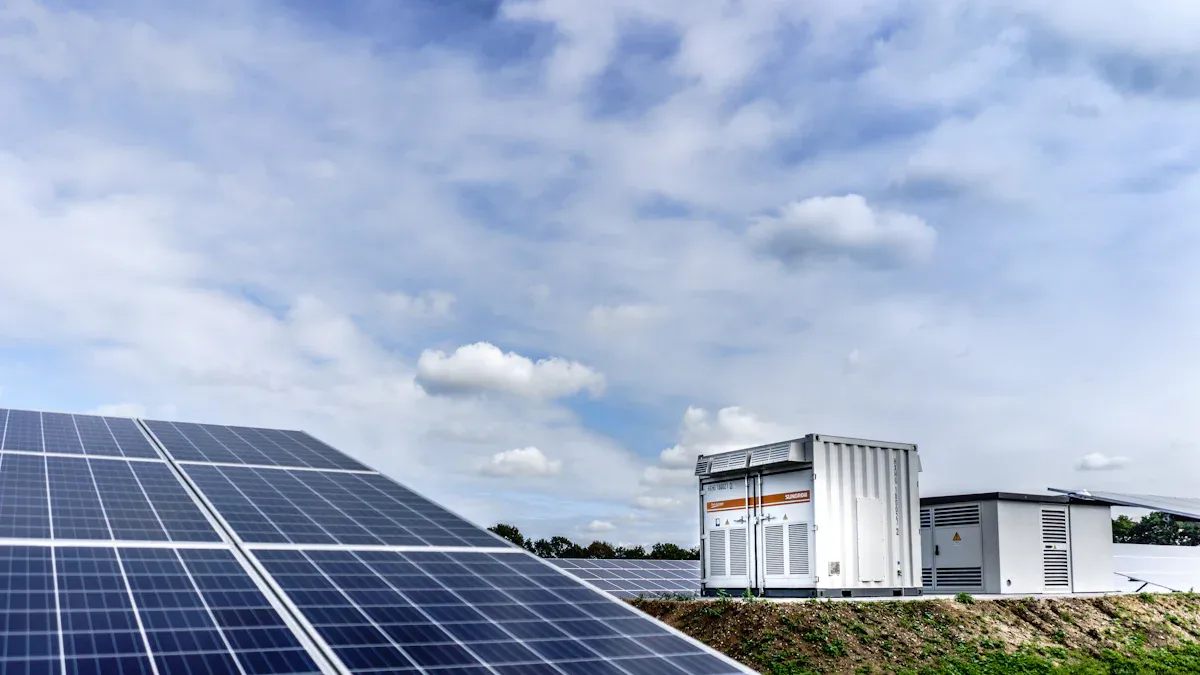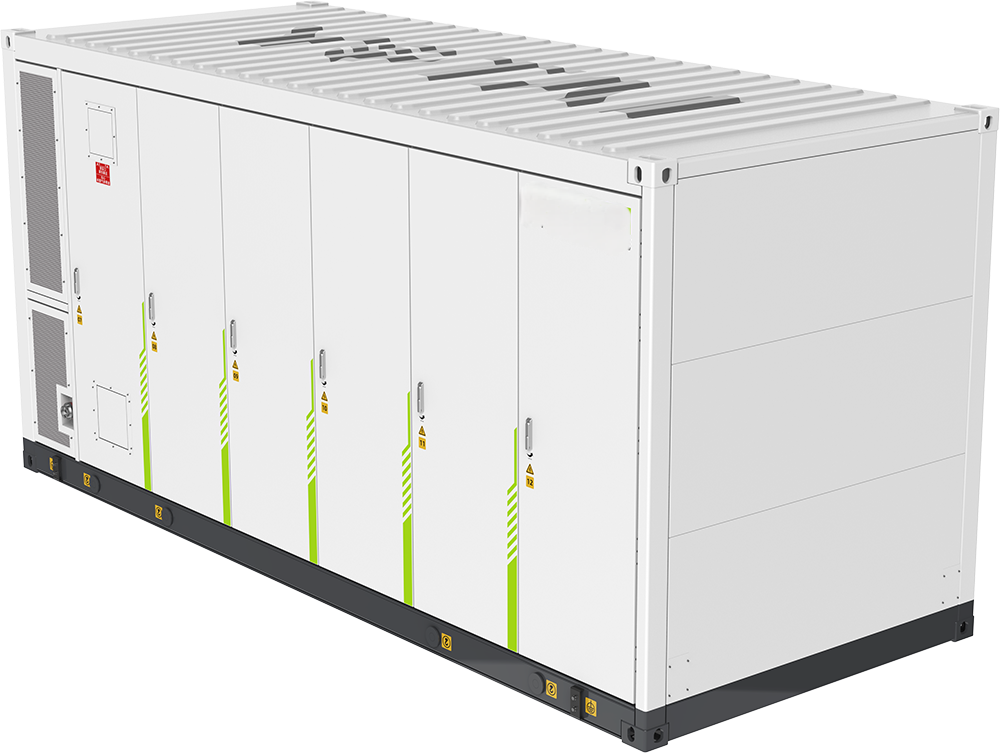
Peak shaving energy storage helps you use less electricity when everyone else needs it. During off-peak times, battery energy storage systems store extra energy. When lots of people need power, the battery gives out this stored energy. This means you do not have to use expensive electricity from the grid. This smart way helps you pay less in demand charges and keeps your energy bills lower. Many businesses, like offices and factories, use battery storage to save money and help keep the grid steady. The chart below shows that more commercial and industrial users now use peak shaving to save money and have more reliable power.
Reason | Explanation |
Cost Savings | Using energy from storage during peak demand lowers your monthly electricity costs. |
Demand Charge Reduction | Using less power at busy times means you avoid high utility fees. |
Energy Resilience | Battery storage keeps your business running during outages or when the grid is not steady. |
Key Takeaways
Peak shaving energy storage lets you save money. It uses stored energy when many people need power. This helps you avoid paying high electricity prices.
Battery energy storage systems charge when fewer people use power. They give out energy when many people need it. This keeps your electricity use even.
Using peak shaving can lower demand charges a lot. Demand charges can be almost 40% of your electricity bill.
Battery storage cuts costs and helps the environment. It uses less fossil fuel when many people need power.
Look at how your business uses energy to see if peak shaving works for you. You can also join programs to save more money.
Peak Shaving Energy Storage Explained
What is Peak Shaving
Peak shaving helps keep your electricity use steady. When your building needs more power, you might use a lot at once. This creates a "peak" in how much electricity you use. Peaks often happen in the afternoon. Machines, lights, and air conditioning all run together then. Peak shaving stops these spikes. It uses battery energy storage systems or other ways to give extra power during busy times.
Peak shaving energy storage charges batteries when electricity is cheap. Demand is low at these times. Later, when demand goes up, the system uses battery power. This keeps your grid use flat. It stops sudden jumps in how much power you need. The table below shows how this works:
Time of Day | Traditional Grid Usage | Grid Usage with Peak Shaving | Primary Power Source with Peak Shaving |
Early Morning (Off-Peak) | Low Usage (50 kW) | Low Usage (50 kW) + Battery Charging | Grid Power |
Afternoon (Peak Hours) | High Usage Spike (300 kW) | Low & Stable Usage (50 kW) | Battery Energy Storage System |
Evening (Off-Peak) | Medium Usage (100 kW) | Medium Usage (100 kW) | Grid Power |
You can use peak shaving in many ways. Some examples are running HVAC systems better, powering big appliances, charging electric vehicles, and managing heavy industrial work. You might also use solar panels or change your work schedule. This helps you not use too much electricity at once. Battery storage is not just for solar energy. It helps keep the grid steady, controls frequency, and gives backup power for important equipment.
Purpose and Goals
The main goal of peak shaving is to lower your electricity costs. It also keeps your energy use steady. If you avoid short spikes in demand, you pay less in demand charges. Utility companies often set your bill by your highest peak demand. Keeping your usage flat saves you money.
Peak shaving helps the power grid too. Using battery energy storage systems reduces stress on the grid during busy times. This makes the whole system more reliable for everyone. You can help the environment by using less energy from fossil fuels during peak hours.
Here are the main parts and steps in peak shaving:
Battery energy storage systems: These switch power sources during peak demand.
On-site power generation: Solar panels or other sources give energy when you need it.
Load and schedule management: You can plan heavy tasks for times when demand is low.
Note: Many people think battery storage only works with solar panels. But battery storage helps with peak shaving, backup power, and grid stability.
Rules and rewards matter too. Some countries give tax breaks or money to help with energy storage. These policies make it easier for you to use peak shaving energy storage and save money.
When you use peak shaving, you help your business and the grid. You save money, keep your power steady, and help the environment stay clean.
How Battery Energy Storage Systems Work for Peak Shaving
Operational Mechanism
Battery energy storage systems help with peak shaving. They charge batteries when not many people use electricity. The batteries keep this energy during off-peak hours. When more people need power, the system gives out stored energy. This keeps your electricity use steady and stops short spikes. You do not need extra power from the grid during busy times. This helps you avoid high costs and keeps your bills steady.
Battery storage works like a smart helper for your building. It checks how much electricity you use. If it sees a spike, it sends out stored energy fast. This stops the spike from reaching the grid. You can trust battery energy storage systems to keep your power use smooth.
Storing and Releasing Energy
You may wonder how these systems store and give out energy. The steps are easy:
When charging, battery energy storage systems take in extra electricity. They change this electricity into chemical energy and keep it in the battery.
When you need more power, the system changes the chemical energy back into electricity. It sends this electricity to your building.
This lets you use energy stored during off-peak hours. You can use it when demand is high.
This is called "time shifting." You store energy when it is cheap and use it when it costs more. Battery storage helps you avoid paying extra during peak shaving times. You also help the grid by not adding more demand during busy hours.
Tip: Using battery storage protects your business from short spikes in electricity use. It also makes your energy supply more steady.
Peak shaving energy storage lets you control your electricity use. You can save money, avoid high demand charges, and keep your building running well.
Peak Shaving vs. Other Energy Strategies
Load Shifting Comparison
You might ask how peak shaving is different from load shifting. Both help you use energy better and save money. But they do not work the same way. Peak shaving means you use less electricity when demand is high. You can use stored energy or stop some activities to avoid big spikes. Load shifting moves your energy use to times when power is cheaper and fewer people need it.
Here is a simple table that shows how they are not the same:
Aspect | Peak Shaving | Load Shifting |
Objective | Use less power during busy hours | Move power use to quiet hours |
Method | Cut demand or use stored energy | Change when you do tasks |
Impact | Lowers extra fees for high demand | Helps you pay less for electricity |
Peak shaving helps you not pay high fees by keeping your power use steady. Load shifting lets you use cheaper electricity when demand is low. Both ways help you use energy smarter, but peak shaving is best for stopping quick jumps in power use.
Demand Response Differences
You may hear about demand response programs too. These programs ask you to use less electricity when the grid needs help. You can get rewards or money for joining. Peak shaving is not the same because you control your power use every day to save money, not just when the grid asks.
Look at this table to see how demand response and peak shaving are different:
Aspect | Demand Response | Peak Shaving |
Implementation | Gives rewards for using less or moving use | Tries to lower use during busy times |
Mechanism | Programs pay you for helping | Uses less power or makes its own energy |
Outcomes | Lets you earn money for helping | Helps you save money on bills |
With demand response, you help the grid in emergencies and get paid. With peak shaving, you keep your bills low and stop sudden jumps in power use. Both ways make the grid stronger and help you use energy better.
Tip: You can use peak shaving, load shifting, and demand response together. This gives you more control over your energy and helps you save money.
Peak Shaving Benefits
Cost Savings and Demand Charges
Peak shaving energy storage can help you pay less for electricity. You use battery energy storage systems to save energy when it is quiet. Later, you use this stored energy when lots of people need power. This stops big jumps in how much power you use. It helps you avoid extra fees. Demand charges are a big part of your electricity bill. Sometimes, they are almost 40% of what you pay. If you keep your peak demand low, you save money every month.
Here are some ways peak shaving helps you spend less:
You use stored energy when it is busy, so you do not pay high demand charges.
Battery storage helps you handle peak loads and keeps things running well.
On-site generation and using less power also help you save.
Solutions like Catalyst Power’s Connected Microgrid give you more benefits and help the grid stay strong.
Businesses often get good returns with peak shaving. Many case studies show you can get your money back by paying less for electricity and having better power quality. Most commercial systems pay off in 5 to 10 years. Demand charge reduction can pay off in 4 to 6 years.
Application Type | Typical Payback Period |
Commercial Systems | 5-10 years |
Demand Charge Reduction | 4-6 years |
Energy Arbitrage | 6-8 years |
Environmental Impact
Peak shaving energy storage does more than save you money. It helps the environment by using less energy when demand is high. When you use battery energy storage systems, you do not need extra fossil fuel power plants. This means less carbon goes into the air during busy times.
You help lower greenhouse gas emissions by using battery storage for peak demand.
If lots of people use battery energy storage systems, emissions could drop by over 100 million metric tons each year.
Charging storage with renewable energy and using it during peak times can cut emissions by up to 741 grams of CO2 for every kilowatt-hour used.
Evidence Description | Emissions Impact |
Charging storage with curtailed renewables and discharging to reduce peak demands in fossil fuel-heavy areas | Reduces emissions by up to 741 gCO2 per kWh discharged |
Studies show lithium-ion battery storage is best for the environment when used for stationary energy. By choosing peak shaving, you help keep the air clean and make the grid more reliable.
You can use peak shaving with demand response programs for even more environmental and money-saving benefits.
Implementing Energy Storage for Peak Shaving
Evaluating Suitability
You can begin peak shaving by checking if your building is a good match. Look at when you use the most electricity. If you pay high demand charges, battery energy storage systems can help you. You should also see if you can join programs that give rewards for using less energy during busy times. The table below can help you decide:
Criteria | Description |
Energy Consumption Patterns | Knowing when you use energy helps you plan for peak shaving. |
Peak Demand Management | Managing busy hours is important for saving money and using energy better. |
Participation in Incentive Programs | Joining programs with rewards can make storage more affordable. |
Here are steps to set up energy storage for peak shaving:
Find out your highest power use and how long it lasts.
Check if you pay for electricity based on time or demand.
See if you have solar power or want to add it.
Choose a place for your battery system, inside or outside.
Decide if you want backup power from the grid or want to be off-grid.
Tip: Big buildings can save lots of money each year with battery energy storage systems. One factory lowered demand charges by 35% and paid for their system in four years.
Available Technologies
You have different choices for battery energy storage systems. The most common are lead-acid and lithium-ion batteries. Each type has its own good points. Lead-acid batteries work well in one spot and cost less. Lithium-ion batteries give more energy and power, need little care, and react fast when you need more electricity. The table below shows a quick comparison:
Battery Type | Advantages | Applications |
Lead-Acid | Good for places where batteries stay in one spot | Peak shaving |
Lithium-Ion | Lots of energy and power, low care costs, quick response | Peak shaving |
You can also use battery storage with solar panels or other renewable energy. This helps you lower demand charges and join demand response programs. Some problems are tricky technology, costs, and rules that change in different places. Still, many businesses find energy storage saves money and keeps their electricity use steady.
You can use peak shaving energy storage to pay less for electricity. It helps you keep your energy use steady. This makes your bills easier to predict. You store energy and use it when demand is high. This helps lower pollution and keeps the grid strong. Many businesses pick this way to save money and help the environment for a long time.
Cuts down on peak demand charges
Makes energy costs easier to predict
Helps keep the energy grid steady
FAQ
What is the main benefit of peak shaving energy storage?
You save money on your electricity bill. You avoid high demand charges by using stored energy during busy times. This helps you control costs and keep your power use steady.
Can you use peak shaving with solar panels?
Yes, you can. You store extra solar energy in your battery during the day. You use this energy later when demand is high. This makes your system even more efficient.
How long does a battery last for peak shaving?
Most batteries last 5 to 15 years. The exact time depends on how often you use them and the battery type. Regular checks help your battery last longer.
Is peak shaving only for big businesses?
No, it is not. Small businesses and even homes can use peak shaving. You just need to check your energy use and choose the right battery system.