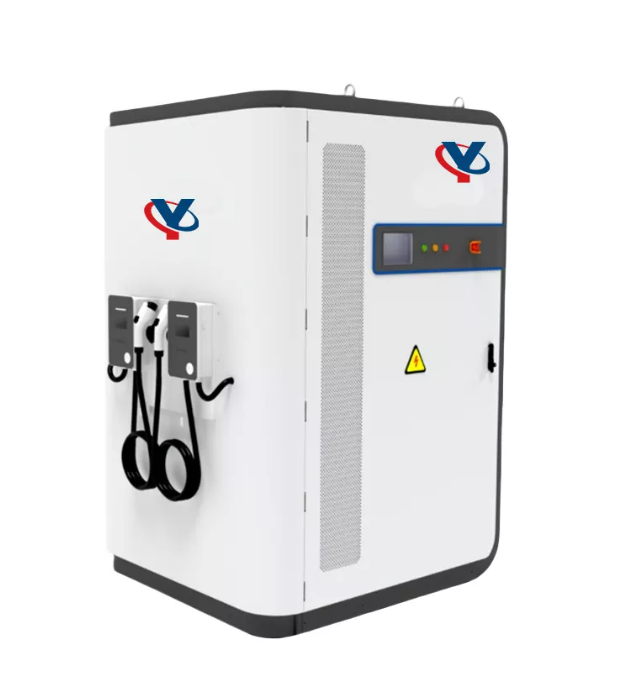
Industrial energy storage solutions help you control lots of energy in big buildings and factories. These solutions are not like home systems. They can handle much more power and store more energy.
Feature | Residential Systems | Industrial Systems |
Capacity (kWh) | 5 kWh to 20 kWh | 30 kWh to 1000 kWh or more |
Power Output (kW) | 5 to 10 kW | Hundreds of kW to multiple MW |
Physical Size | Compact, appliance-sized | Large, shipping-container-sized units |
These systems help your work go well. They balance energy use, save extra energy, and give backup power. The world market for industrial energy storage was $23.5 billion in 2025 and is still getting bigger. You need this solution to keep your building safe and working well.

Key Takeaways
Industrial energy storage systems hold lots of energy in big buildings. They help companies save money. They also keep things running when the power goes out. These systems store energy when it costs less. They use the energy when people need more power. This helps control how much power is used and saves money. There are different kinds of energy storage, like batteries and thermal systems. Each type has special benefits. It is important to pick the best one for your needs. Using industrial energy storage helps use more renewable energy. It makes companies greener and less dependent on the main grid. Putting money into energy storage can save money over time. It also makes your business more reliable and efficient.
Industrial Energy Storage Solutions Overview
What Are Industrial Energy Storage Systems
Industrial energy storage systems help you manage lots of energy in big buildings. You can store energy when it is cheap or easy to get. You use the stored energy when you need it most. These systems are much bigger than the ones in homes. You find them in factories, data centers, and large business buildings.
There are different types of industrial energy storage systems. Each type works best in certain places:
Air-cooled commercial and industrial energy storage systems use fans to keep batteries cool. These work well where temperature control is not strict. They cost less but may not work well in hot places.
Liquid-cooled commercial and industrial energy storage systems use liquids to keep batteries cool. You see these in data centers and big factories. They help batteries last longer and work better when lots of energy is needed.
Containerized energy storage systems put all the main parts in big containers. You can move these containers easily. They are good for big projects or places far away.
Industrial energy storage solutions give you more power and choices than home systems. They help your business keep working during power outages or busy times.
Key Components and Scale
Industrial energy storage systems have many important parts. Each part does something special to keep the system safe and working well. Here is a table that shows the main parts and what they do:
Component | Description |
Battery System | Stores energy and uses lithium cells in modules and racks. |
Battery Management System (BMS) | Watches battery health and keeps it safe and lasting longer. |
Power Conversion System (PCS) | Changes DC to AC and back, and manages charging and using energy. |
Controller | Checks and controls the whole system, and talks to other devices. |
HVAC | Keeps the inside cool to stop overheating and helps batteries last longer. |
Fire Suppression | Keeps the system safe by cooling and stopping fires. |
SCADA | Watches and controls all parts, so workers can manage the system. |
Energy Management System (EMS) | Plans and controls how the system works and when to use energy. |
These systems are much bigger than the ones in homes or small businesses. The size of industrial energy storage systems is very large. Here is a table to show the difference:
System Type | Capacity Range |
Commercial | Several kWh to a few hundred kWh |
Industrial | Hundreds kWh to multiple MWh |
Industrial energy storage solutions can hold hundreds of kilowatt-hours to many megawatt-hours of energy. This means you can power big machines, whole buildings, or even small towns for hours. These solutions help you control energy use, save money, and keep your business safe.
Note: Many governments give rewards to help you use industrial energy storage. For example, you can get a 30% federal tax credit, cash back in California, and special credits in New York and Massachusetts. These programs help you pay less and make it easier to buy energy storage for your business.
How Industrial Energy Storage Works
Load Management and Grid Stabilization
Industrial energy storage helps you control how much electricity you use. You can use less energy when prices are high. This keeps your business running well. You store energy when not many people need it. You use this stored energy when lots of people need power. This is called load management.
Here are some main ways to manage electrical loads:
Change jobs that are not important to use less energy during busy times.
Use better equipment, like LED lights, to lower energy use.
Join programs that pay you for using less energy when it is busy.
Store energy when it is cheap and use it later.
Use smart tools to guess when you will need more energy.
Batteries and other systems collect electricity when demand is low. You can use this energy when demand goes up. This helps balance how much power is used and made. You do not need to use expensive power plants as much. The grid stays strong, and you save money.
Industrial energy storage also keeps the grid steady. These systems act like a shield. They keep the grid’s frequency steady. This protects your machines from damage when power changes. They also help control voltage. This is important where lots of renewable energy is used. By storing extra energy when demand is low and using it later, you help the grid stay strong.
You can store extra energy in different ways. Here is a table that shows some common ways:
Method Type | Description | Applications |
Electrical | Uses batteries or capacitors to store energy. | Data centers, utility-scale systems |
Mechanical | Changes electricity into stored movement or pressure. | Flywheels, compressed air, pumped hydro |
Chemical | Uses electricity to make hydrogen from water. | Large-scale energy storage |
Battery Systems | Puts small units together for fast and flexible use. | High current, grid stability |
You can use these ways for peak shaving and load shifting. Peak shaving means you use stored energy during busy times to lower your highest energy use. Load shifting means you store energy when demand is low and use it when demand is high.
Integration in Industrial Operations
You can connect industrial energy storage right to your business. This helps you use energy better and keeps your work going during outages. When you have steady power, you do not lose time. Your team can keep working.
Having steady power means you can keep working during outages or bad weather. This helps you finish work on time and keeps your team busy.
Industrial energy storage systems help you use energy wisely. You store extra energy when demand is low and use it when demand is high. This helps balance the grid and saves you money. You also help the planet by using more renewable energy.
Here are some ways these systems help your business:
Keep the power on during outages to make your business stronger.
Save money by not paying high prices during busy times.
Help you use more renewable energy to meet your green goals.
Industrial energy storage solutions are important for modern businesses. They help you control energy, save money, and keep your work safe and reliable.
Industrial Energy Storage Technologies
Industrial ess use different ways to store energy. These help you control power in your building. You can pick from a few types. Each type has its own features. The main types are batteries, thermal storage, and mechanical systems. Here is a table that shows how they are different:
Type | Description |
Electrochemical | Converts chemical energy into electrical energy; includes various battery technologies. |
Chemical | Stores energy in chemical form, such as fuels. |
Mechanical | Uses physical systems to store energy, like pumped hydro or flywheels. |
Electrical | Includes supercapacitors and superconducting magnetic energy storage (SMES). |
Battery Energy Storage Systems (BESS)
Battery energy storage systems are used the most in industrial ess. You see these in factories, data centers, and big buildings. They use different batteries to hold energy and give it back when needed. The most common batteries in industrial battery storage are:
Lead batteries
Flow batteries
Lithium batteries
Sodium batteries
Zinc batteries
Lithium-ion batteries are the most popular for commercial battery storage. They store a lot of energy, last a long time, and work fast. You can trust these batteries for strong power storage. Many companies use battery energy storage systems to save money and keep things running. You also see bess solar solutions with these systems for clean energy.
Thermal Storage Solutions
Thermal storage lets you keep energy as heat or cold. You can use this energy later to warm or cool your building. Here are the main types of thermal storage:
Type of Thermal Storage | Description | Advantages and Applications |
Sensible Heat Storage (SHS) | Changes the temperature of a medium. | Simple and widely used in industrial ess. |
Latent Heat Storage | Uses phase change materials to store energy. | Stores more energy in less space. |
Thermo-Chemical Heat Storage | Uses chemical reactions to store and release heat. | Good for long-term and large-scale storage. |
You can use thermal storage to move energy use to different times and save money. This helps your industrial ess work better and reach green goals.
Mechanical Storage Systems
Mechanical storage systems use movement or pressure to keep energy. You find these in big industrial ess projects. Here are some ways they work:
Pumped hydro storage moves water between two tanks at different heights. You store energy by pumping water up and get it back by letting water flow down through turbines.
Flywheels keep energy by spinning a heavy wheel. You can get energy back fast when you need it.
These systems help balance high energy use and keep the grid steady. They also help control frequency and voltage.
Mechanical storage gives you another way to make your industrial battery storage more flexible. You can mix these with commercial battery storage systems for even better results.
Tip: You can use different energy storage systems together in your industrial ess to get the best results for your needs.
Benefits of Industrial Energy Storage
Cost Reduction and Efficiency
Industrial energy storage can help you save money on your energy bills. You can store energy when it costs less. You use this stored energy when prices are high. This helps you avoid paying more during busy hours. You also waste less energy because you only use what you need.
Factories with battery storage can keep working even if the grid goes out. BESS lets machines run without stopping. This means less time fixing equipment and more work gets done.
If you use a good energy system, you spend less on fuel and repairs. Battery systems can cost more at first. But you save money later because you do not need to buy fuel or fix engines as much. You also get extra help like lower demand charges and better use of renewable energy.
Reliability and Sustainability
Industrial energy storage gives you backup power right away. Your machines keep running if the main grid stops. You do not have to worry about running out of fuel or engine trouble. Your business stays safe and keeps working.
Evidence Description | Details |
Battery Capacity in Texas | Went up to over 10 GW in December, with 19 GW more planned by the end of 2025. |
Frequency Regulation Contribution | Batteries gave up to 100% of the power needed for frequency regulation many times last year. |
NERC's Findings | Places with lots of BESS saw better frequency response and more reliable service. |
You also help the planet by using these systems. Here are some ways you support the environment: Advanced energy storage helps keep energy systems steady. These systems help cut down on carbon emissions. They also help the economy grow in a green way. Energy storage helps control grid frequency and voltage. They let factories save energy and waste less. Better energy use means more work gets done and costs go down.
Supporting Renewable Energy
Industrial energy storage helps you use more renewable energy. You can store solar or wind power when it is there. You use it later, even if the sun is not out or the wind is not blowing. This makes your business greener and less tied to the main grid.
Energy storage systems help manage solar and wind power, so you always have electricity.
They keep the grid steady by giving backup power during outages or emergencies, so important work can keep going.
Using energy storage means you do not need the main grid as much, which helps the grid and gives you more control.
Michigan needs 2,500 MW of energy storage by 2030 to reach its clean energy goals. Big batteries let you use solar power even when there is no sunlight.
By picking these solutions, your company becomes a big part of the energy plan. You help make the future cleaner and keep your business strong.
Industrial energy storage solutions help you save money. They keep your business working and help the planet. You can save money for a long time. These systems also protect your building from higher costs.
Benefit Type | Description |
Optimized Management | Balances supply and demand, saving money. |
Backup Power | Keeps your operations safe during outages. |
If you want to use these systems, check what your site needs. Talk to experts for help. Watch out for problems like how well the system works and safety. You can make your building stronger and ready for the future.
FAQ
What is the main purpose of industrial energy storage?
Industrial energy storage lets you save energy for later use. This helps you spend less money on power. It also keeps your business working if the power goes out. You can use more renewable energy too.
How long can industrial energy storage systems provide power?
Most systems give power for a few hours. The time depends on how big your system is. It also depends on how much energy you use.
Are industrial energy storage systems safe?
Yes, these systems have safety tools like fire suppression. They also have battery management. You need to follow safety rules and check your system often.
Can you use industrial energy storage with solar or wind power?
You can store extra energy from solar or wind power. You use this energy when there is no sun or wind. This helps you use more clean energy.


