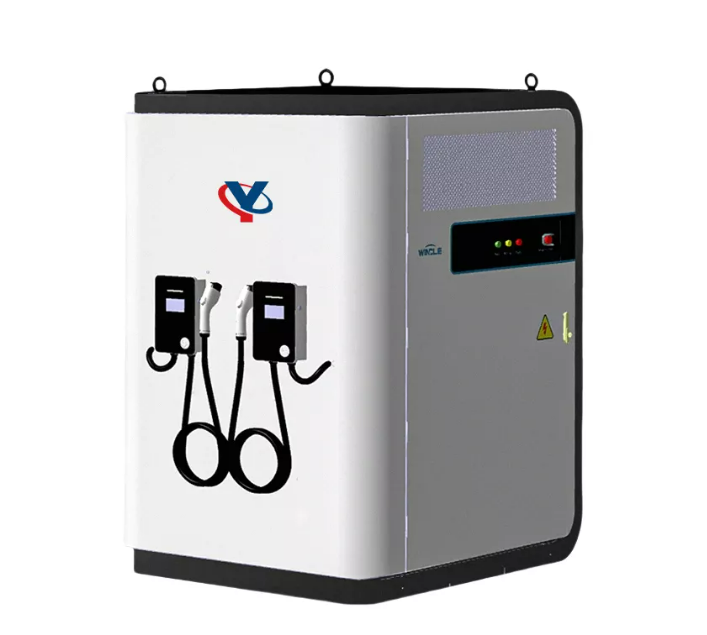
An integrated energy storage system helps you control energy. It does this by using different storage devices. These can be batteries or thermal units. You often see these systems with renewable energy. Wind and solar are common examples.
Key Takeaways
An integrated energy storage system puts different storage types together, like batteries and thermal units, to help manage energy well.
These systems help renewable energy sources by saving extra energy for later. This makes energy more reliable and cuts down on carbon emissions.
Using an integrated system can make your electricity bill lower. You can use stored energy when many people need power.
Regular maintenance and safety checks are very important. They help the system work well and safely, and stop possible dangers.
Smart management software helps use energy in the best way. It lets you charge batteries when prices are low and use energy when prices are high.
Integrated Energy Storage System Overview
What Is an Integrated Energy Storage System
An integrated energy storage system is a smart way to handle energy. It puts different storage types, like batteries and thermal units, together in one small unit. These systems often work with renewable energy, such as solar and wind. The main purpose is to store extra energy and use it when you need more.
Here is a simple table that shows how an integrated energy storage system is different from a traditional energy storage system:
Feature | Integrated Energy Storage System | Traditional Energy Storage System |
Integration with Solar | Combines solar energy storage and management functions | Usually has separate systems |
Space-saving Design | Small unit that is easy to install | Bigger, separate parts |
Scalability | Easy to make bigger for more energy | Harder to make bigger |
Environmental Benefits | Supports renewable energy use | Often uses non-renewable sources |
This system is simple to set up, saves space, and helps clean energy. You can make it bigger if you need more energy.
Why Integration Matters
When you mix different storage types, your energy system gets stronger and more flexible. You can save extra electricity when you have a lot and use it when you need it most. This helps keep your power on, even if the sun or wind is not working.
Here are some main reasons why integration is important:
You can handle changes in energy and keep power steady.
You get backup power if there is an outage, so your home or business keeps running.
You help the planet by using more renewable energy and lowering carbon emissions.
The table below shows the main goals of using more than one storage technology:
Objective | Description |
Enhance System Flexibility | You can change with energy needs and supply. |
Improve Renewable Energy Penetration | You can use more renewable energy by balancing supply and demand. |
Address Intermittency Challenges | You can deal with ups and downs in renewable energy. |
Economic Viability | You get better reliability and efficiency, which can save money over time. |
You also see many mixes of renewable energy and storage in these systems. Here are some common examples:
Renewable Energy Source | Storage Technology | Key Features |
Solar | Lithium-ion batteries | High energy density, scalable for grid use |
Wind | Flow batteries | Important for reliability, but cost and materials can be hard |
Various | Supercapacitors | Fast response, but low energy density |
Various | Pumped hydro storage | Great for big use, but needs special locations |
Various | Compressed air storage | Good for big use, but needs special places |
Various | Hydrogen | Good for long-term storage, needs better efficiency |
Various | Molten salt thermal storage | Good for heating and cooling, but can cost a lot |
Tip: Using an integrated energy storage system helps make energy cleaner and more reliable for the future.
How an Energy Storage System Works
Knowing how an energy storage system works shows why these systems matter. They help homes, businesses, and the power grid. The process has three main steps. These are energy capture and conversion, storage and management, and energy dispatch.
Energy Capture and Conversion
First, the system collects energy. It gets energy from things like solar panels, wind turbines, or the electric grid. Solar panels use sunlight to make electricity. Wind turbines use moving air to make power. Some systems use heat pumps. These store energy as heat for your home.
Here is a simple way to see how energy capture and conversion works:
The system uses a heat pump to heat calcium hydroxide. This makes water and calcium oxide. These store energy and give heating.
When you need more power, calcium oxide takes in carbon dioxide. This starts a special cycle to make electricity.
The system keeps the calcium carbonate made. You can use it later when you do not need as much energy.
Other technologies are also in an integrated energy storage system. Solar energy systems use photo-charging. This turns sunlight into electricity. Mechanical and thermal systems catch energy in different ways. Devices like lithium-ion batteries and supercapacitors keep the energy for later.
Note: Using different ways to capture and convert energy helps you get more from each energy source.
Storage and Management
After energy is captured, it needs to be stored and managed. The energy storage system keeps the energy safe until you need it. You can store energy in batteries, thermal units, or other devices. The system makes sure the energy is ready and works well.
Here is how storage and management work in a normal energy storage system:
Solar panels or wind turbines give electricity. The system can also get power from the grid when it is not busy.
The energy is kept in batteries, like lithium-ion or nickel-metal hydride. These keep the energy at the right temperature and working well.
When you need power, the system changes the stored energy back to a form you can use. This is usually AC electricity for your home.
Smart sensors and software check energy levels. They change how the system works. This helps you save money and keeps the system working well.
There are also important parts that help manage the energy storage system:
A battery management system checks battery health and stops problems.
A power conversion system moves energy between storage and use.
Energy management software helps you use energy at the best times.
Thermal regulation keeps everything at a safe temperature.
A cybersecurity layer keeps the system safe from online attacks.
Tip: Good management means your energy is always safe, ready, and works when you need it.
Energy Dispatch
The last step is energy dispatch. This is when the energy storage system sends energy to where you need it. You might use it at home, at work, or send it back to the power grid.
Here are some ways energy dispatch works:
Hybrid systems mix renewable energy and storage. This makes sure you have power even if the sun or wind is not strong.
Advanced forecasting tools help the system guess when you will need more energy. This lets it send out power at the right time.
Contracts with energy companies let you use stored energy during busy hours. This helps balance the grid and saves money.
Microgrids use local energy storage. This keeps communities powered during outages or emergencies.
During busy times, the system uses different plans for each type of energy:
Energy Type | Strategy During Peak Demand Periods |
Electricity | Gas turbines make more power to match grid needs and prices. |
Thermal Energy | Storage tanks keep extra energy when demand is low. They release it when you need more heating or cooling. |
Natural Gas | The system uses more natural gas to meet heating and electricity needs well. |
Callout: Smart energy dispatch helps you save money, keeps your lights on, and supports a cleaner grid.
By following these steps, an integrated energy storage system helps you capture, store, manage, and use energy in the best way.
Key Components of Integrated Systems
Storage Technologies (Batteries, Thermal, Mechanical)
Energy storage systems use many technologies. These include batteries, thermal units, and mechanical devices. Each type stores energy in its own way. Lithium-ion batteries give quick power. Flow batteries last longer. Thermal storage keeps heat for later. Mechanical options include compressed air, hydrogen, gravity storage, and supercapacitors. These choices give you more ways to store energy.
All these technologies work together. This makes your system stronger and better.
Technology Type | Role in Integrated Systems | Benefits |
Battery Energy Storage | Helps keep the grid steady and supports renewable energy. | Gives backup power, makes the grid more reliable, and saves money. |
Thermal Long-Duration | Balances energy supply and demand in a cheap way. | Helps cut carbon and supports factories that need lots of heat. |
Tip: Using different storage types gives you steady energy and helps you save money.
Renewable Integration (Wind, Solar, PV)
You can connect wind and solar to your energy storage system. This makes your energy cleaner and more reliable. When it is sunny or windy, you get extra power. The system stores this energy for later. You help the grid by sharing energy and lowering losses.
Aspect of Energy Storage | Impact on Efficiency and Reliability |
Consistency of Supply | Gives more power when renewables are low, making them more reliable. |
Grid Performance | Cuts down on energy loss and helps share loads, making the system work better. |
Energy Security | Makes sure people always have energy, keeping things safe. |
Battery energy storage is very important here. A good battery management system keeps everything working well. You get better operation and more efficiency with renewables and storage.
Control and Management Software
Smart software helps run your energy storage system. It lets you watch, plan, and use energy in the best way. You can see how much energy you use, get reports, and use data to make good choices. The software lets you charge batteries when prices are low. You can use stored energy when prices go up. It also helps the grid by balancing loads and keeping things steady.
Functionality | Description |
Real-time Monitoring | Watches energy storage all the time to keep it working well. |
Automated Reporting | Makes reports quickly to help things run better. |
Advanced Analytics | Uses data to make more energy and stop problems. |
Energy Arbitrage | Lets you charge batteries when prices are low and use energy when prices are high to make more money. |
Load Leveling | Sends out energy to lower peak loads on power sources. |
Grid Services | Helps keep the grid steady with things like frequency response and voltage control. |
You can use tools like HybridOS EMS, ESS Block, Storage, Merchant, and Renewable. These help you manage energy from many places and keep your system flexible.
Note: Good software makes your energy storage system smarter and easier to use.
Applications and Benefits
Real-World Uses
Integrated energy storage systems are used in homes and businesses. These systems help people use energy in smart ways. Here are some examples:
Peak shaving lets you use stored solar energy at busy times. This helps lower your electricity bill.
Backup power gives you energy if the grid stops working. Your home or business can keep running without worry.
Time-of-use optimization means you store energy when it is cheap. You use it when prices are high.
You can meet your sustainability goals by using more renewable energy. You can also earn renewable energy credits.
Large systems help the grid by giving extra services. This can help you make extra money.
Many industries use these systems. Big companies use them to save money and use energy better. You can also add more solar or wind power to your energy mix.
Main Benefits (Reliability, Flexibility, Efficiency)
Using different storage types gives you many benefits. These systems make your energy supply more reliable. You do not have to worry about losing power. You can use stored energy when you need it most.
You also get more flexibility. The system can give short bursts of energy or power for a long time. This is better than using only one type of storage. The table below shows how hybrid systems compare to single-technology setups:
Advantages | Hybrid Systems | Single-Technology Setup |
Enhanced Flexibility | Good for different energy needs, short or long supply | May not handle changing needs as well |
Optimized Performance | Gives steady energy by balancing strengths and weaknesses | Limited by one technology |
Improved Longevity | Shares the load, so parts last longer | More wear on single parts |
You also get higher efficiency. The system uses the best storage method for each situation. This saves energy and money. You help the grid stay strong and support clean energy for everyone.
Tip: Using an integrated energy storage system helps you use energy in smarter, cleaner, and more reliable ways.
Challenges and Considerations
Technical and Economic Factors
Using an energy storage system can be hard and expensive. You need to think about these things before you start or make your system bigger. The equipment costs a lot at first. You have to spend a lot of money to buy and set it up. It can also be hard to connect new storage to your old energy system. You might need experts to help you do this right.
You also have to follow rules and laws. These can be different in each place. Getting the right permits can take a long time. Safety is very important too. High-voltage batteries can be dangerous if not handled well. They can cause fires, electric shocks, or even explosions. You need to plan for these risks.
The price of storage can change a lot. Studies show that it is not always easy to know the total cost over time. Prices are different based on the technology, the size, and where you use it. This makes it hard to compare with old systems. You need to look at all the details before you choose.
Tip: Always check the newest rules and prices in your area before you pick a storage system.
Maintenance and Safety
You need to take care of your energy storage system to keep it safe and working well. Doing regular checks helps stop problems and keeps your energy running. Here are some important things to do:
Maintenance Requirement | Description |
Thermal Management System Maintenance | Check the cooling system to keep battery temperature safe. |
Battery Enclosure and Protective Device Check | Make sure the box and safety devices protect against weather and damage. |
Software Updates | Update the control and monitoring software for better safety and use. |
Regular Monitoring of Battery Status | Use tools to check battery health and find problems early. |
Inspect the BMS | Check the battery management system for warnings and health. |
Inspect Cables and Connectors | Look for loose or broken cables and fix them fast. |
Clean and Inspect the Enclosure | Keep the storage unit clean and check for any damage. |
You also need to think about safety at every step. This means design, setup, and service are all important. Some battery plants have had explosions. This shows why safety matters so much. The U.S. Department of Energy says safety is a top goal. You should test your system and check for hazards. This helps keep your home, business, and the grid safe.
Note: Good maintenance and safety checks help your storage system keep the grid steady and your energy reliable.
You now know that an integrated energy storage system uses different technologies together. This helps you catch, keep, and use energy in a smart way. The system works with renewable sources like solar and wind. It makes sure your power stays on when you need it. You also get help with grid flexibility, load shifting, and staying strong during problems, as shown here:
Benefit | Description |
Grid Flexibility | You can easily balance how much power you use and make. |
Renewable Integration | You can use more clean energy, even if the sun or wind is weak. |
Resilience | Your lights stay on, even if there is a power outage. |
As technology gets better, these systems will be safer and last longer. They will help you use more clean energy in your daily life.
FAQ
What is the main purpose of an integrated energy storage system?
You use this system to save extra energy from solar or wind. It lets you use that saved energy when you need it later. This helps keep your power steady and always working.
Can you use these systems at home?
Yes, you can put these systems in your house. They help you save energy from your solar panels. You can use the stored energy if the power goes out or when electricity costs more.
How do these systems help with renewable energy?
You can use more clean energy by matching your use with strong solar or wind times. The system saves extra energy and gives it back when there is less sun or wind. This helps you use clean energy every day.
Are integrated energy storage systems safe?
You stay safe if you follow the right steps. Most systems have safety parts and get checked often. Always follow the instructions and keep your system in good shape.


