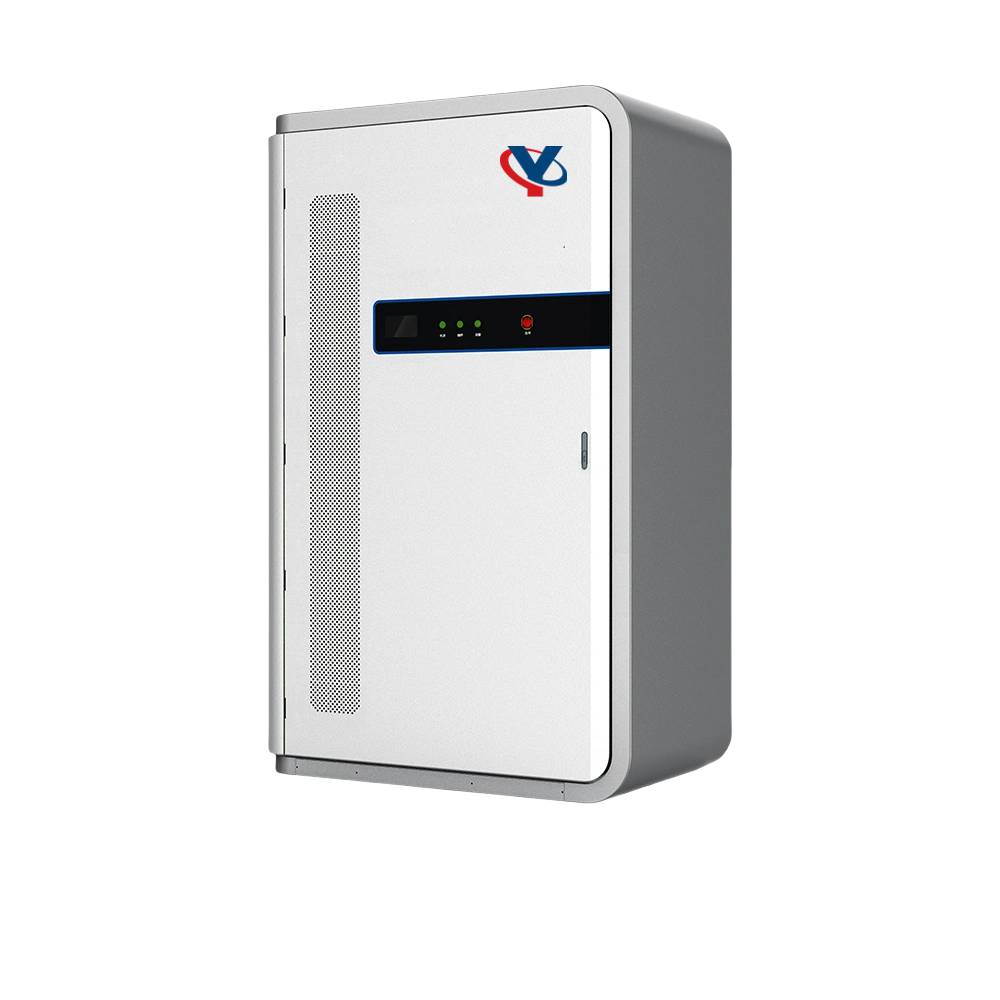
A smart energy management system lets you watch and control your energy use with new technology. You can see real-time data about your energy use. This helps you make fast choices and set up your systems to work better. The technology helps the environment and saves money by using less energy. Many homes and businesses use these systems now.
By 2029, more than 635 million homes will use smart energy management systems.
The global market could be worth $16.3 billion by 2029, with big growth in Asia Pacific and Europe.
Key Takeaways
Smart energy management systems let you watch and control energy use right away. This helps you save a lot of money. These systems use new technology to make energy work better. They help stop waste and make your bills lower. When you add renewable energy, smart systems help the planet. They also help make less carbon. Real-time data alerts show you problems fast. You can fix energy issues quickly. This keeps your systems working well. Buying smart energy management can cost money at first. But you save more money later and feel more comfortable.
Smart Energy Management System Overview
What Makes It Smart
A smart energy management system is like a helper for your energy use. It uses new technology to help you watch and control electricity. The system uses real-time data, sensors, and artificial intelligence. These tools work together to help you use less energy.
You can see how much power you use right now.
The system works with smart devices, like thermostats and lights. It can change settings by itself.
AI and machine learning look at lots of data. They find patterns and guess what energy you will need.
The system can change the temperature and lights. It checks how many people are in a room or what the weather is.
You get alerts and tips to help you save energy and money.
Tip: Smart energy management helps you make fast choices. You do not have to guess about your energy use or when to turn things off.
The technology in smart energy management has many new features. Here is a table that shows why these systems are strong:
Advancement | Description |
AI and Machine Learning | Looks at data to guess energy needs and save energy. |
IoT and Sensors | Collects real-time data for better energy use. |
Smart Meters | Watches energy use right away and helps with pricing. |
Energy Storage Solutions | Saves extra energy for later, like from solar panels. |
Sustainable Power Electronics | Connects solar panels and batteries for better energy flow. |
Blockchain Technology | Makes energy trades safe and clear. |
Smart energy management uses these tools to give you more control. You can see how much energy you use, when you use it, and ways to use less.
Key Differences from Traditional Systems
Smart energy management systems are different from old energy systems. You get more features, better control, and save more money. Here is a table that compares smart and old energy systems:
Feature | Smart Energy Management Systems | Traditional Energy Management Systems |
Monitoring | Real-time monitoring | Looks at old data |
Control | Automatic control | You have to change things yourself |
Integration | Works with smart devices | Does not connect with many devices |
Analytics | Advanced analytics | Only basic analytics |
You can see some big differences:
Smart energy management gives you feedback right away. Old systems only show you past data.
You can set smart energy management to work by itself. Old systems need you to make changes.
Smart energy management connects with smart meters and sensors. Old systems do not work with these.
Smart energy management uses advanced analytics to help you save energy. Old systems only have simple analytics.
Smart energy management also helps you save money over time. It may cost more to set up, but you pay less for repairs. The system can find problems before they get worse. This helps you avoid surprise breakdowns and lowers your costs.
Note: Smart energy management systems keep getting better. Even if your system is older, you still save money and get better results.
Smart energy management gives you new ways to control your energy use. You get more control, better information, and save more money than with old systems.
Core Components and Technologies
Sensors and Data Collection
Sensors help your smart energy management system gather data. They check how much electricity, water, and heat you use. They also measure things like temperature and airflow. The table below lists some sensors and what they track:
Sensor Type | Data Collected |
IoT sensors | Electricity, water, heat use, pressure, temperature, and more. |
Environmental sensors | Temperature, humidity, airflow |
Energy monitoring devices show you data right away. This helps you find problems quickly and fix them fast. You can get alerts if something uses too much energy. Smart analytics can guess when things might break and show where you lose energy.
Tip: Real-time data helps you act fast and keep your system working well.
Controllers and Automation
Controllers are like the brain of your energy system. They help you use renewable energy and switch to cleaner power. This makes your energy use better and lowers carbon emissions. Controllers watch over how energy is made, shared, and used. They help you make smart choices using data.
You often see these automation protocols in controllers:
EtherNet/IP
OpenADR
Modbus
KNX
BACnet
Controllers help you waste less energy and use renewables better.
Software and Analytics
A cloud-based platform helps you understand your energy data. Analytics software finds out why energy use goes up and sends alerts. It looks at old data to guess what you will need later. It helps you save energy without extra work. You see your data in simple charts and dashboards. The software gives you tips so you can keep getting better.
There are many cloud-based platforms, like EnergyCAP Utility Management, IBM Envizi, and Siemens Building X Energy Manager. These platforms let you track bills, see emissions, and watch equipment. You can see all your energy data in one place. This helps you make choices faster and feel sure about them.
Integration with Smart Devices
Your smart energy management system works with other smart devices at home or work. Smart thermostats learn your routine and change the temperature for comfort and savings. Smart lights turn off when no one is in the room. Central control systems let you manage everything from one spot.
Integration Method | Description |
Smart Thermostats | Learn your schedule and change temperatures for comfort and savings. |
Smart Lighting | Can dim or turn off when rooms are empty, saving energy. |
Centralized Control Systems | Let you control all devices in one place, making things easier. |
It can be hard to connect different devices and systems. Each device may use a different way to talk. New solutions help devices share data and work together. This leads to real energy and money savings.
How Smart Energy Management Systems Work
Real-Time Monitoring and Analysis
You can watch your energy use every second. A smart energy management system shows you how much power you use, when, and where. This helps you make better choices and find problems fast.
Here is how real-time monitoring and analysis works:
Data starts coming in as soon as you turn on a device.
The system keeps checking for changes all day long.
IoT devices and analytics tools help you see patterns.
You use software and sensors to check energy use. The system shares real-time data with you or your manager. You can then make smart choices to use less power and save money.
Tip: Real-time energy monitoring helps you find waste and fix it fast.
Energy management systems measure how much energy your machines use over time. They also track when you use the most energy and check how efficient you are. This information is important for real-time monitoring.
When you use real-time monitoring, you get many benefits:
You can spot and fix problems to use less energy.
You save money by stopping waste.
You can fix things before they break.
Your machines work better.
You follow rules more easily with good data.
Everyone can see how much energy is used.
You help the planet by using less energy.
You make better choices with up-to-date info.
Automated Control and Optimization
You do not need to control everything yourself. The smart energy management system uses real-time data to make changes for you. It collects info from sensors and meters. The system looks at the data to find patterns, busy times, and waste.
Here is how automated control and optimization works:
Sensors and meters collect data.
The system checks the data for patterns and busy times.
It changes device settings to save energy. For example, it can lower the heat when you leave or dim lights in empty rooms.
You get tips and feedback through an app or dashboard.
Note: Automated control saves energy without extra work. The system learns your habits and makes smart changes.
Smart energy management systems use advanced algorithms to make these changes. Some common techniques are:
Stochastic Mixed-Integer Linear Programming (MILP)
Genetic Algorithms (GA)
Binary Particle Swarm Optimization (BPSO)
Wind-Driven Optimization (WDO)
Bacterial Search Optimization (BFO)
Model Predictive Control (MPC)
Fuzzy Reinforcement Learning
These algorithms help the system pick the best way to use energy, lower costs, and meet your needs.
Managing Generation, Storage, and Consumption
You can do more than just watch your energy use. A smart energy management system helps you manage energy generation, storage, and use all at once. This means you can use solar panels, batteries, and smart devices together for the best results.
Component | Role in Energy Management |
Renewable Energy Sources | Uses solar panels, wind turbines, and batteries for better energy use. |
Automated Control Mechanisms | Matches energy production with how you use energy to get the most out of it. |
Real-time Data Analysis | Changes when you use energy based on forecasts for renewables. |
You can connect solar energy to your home devices. The system sends solar power to devices when it is available. It changes to match your home’s energy needs in real-time, so you waste less.
Smart batteries store extra energy and keep your power steady. They can react to changes in demand and help you use clean energy when you need it. Solid-state batteries hold more energy, last longer, and are safer than old batteries. These are good for electric cars and storing energy from the grid.
AI and machine learning make the system even smarter. They look at real-time data and change how you use energy. This helps you use more renewable energy and less from the grid.
Callout: With a smart energy management system, you get the most from your energy. You save money, help the planet, and keep your home or business running well.
Smart Home Energy Management System
Home Energy Management System Features
A smart home energy management system lets you control your home's energy. You can see how much energy you use right now. The system helps you watch each device in your house. It connects to smart meters, solar panels, and electric car chargers. You can save extra energy for later or use it when prices drop. The table below lists features you might find in a home energy management system:
Feature | Description |
Smart Meters | Show real-time data on your energy use. |
Energy Monitoring Systems | Track how much energy each device uses. |
Renewable Energy Integration | Let you use clean energy from solar panels. |
Energy Storage Solutions | Store extra energy for peak times or outages. |
Demand Response Programs | Lower energy use during busy times for rewards. |
This system works with your devices to make your home smarter. It helps your home use energy better and waste less.
Benefits for Homeowners
Using a home energy management system gives you many good things. You save money because you use less energy. You help the earth by using more clean energy. You can control your home from anywhere, which is easy and comfortable. Your home might be worth more money, too. The table below shows the main benefits:
Benefit Category | Description |
Energy Efficiency and Cost Savings | Use less energy and lower your bills with real-time data and smart tips. |
Environmental Impact | Use more renewable energy and lower your carbon footprint. |
Convenience and Comfort | Control your home from your phone and set schedules that fit your life. |
Increased Property Value | Make your home more attractive to buyers with smart energy features. |
Tip: A smart home energy management system can charge your electric car when your solar panels make extra power.
ENERGY STAR and Industry Standards
You want your home energy management system to meet top standards. ENERGY STAR makes rules for these systems. Your system should let you set up and control devices from outside your home. You should be able to see your energy use. It should work with smart thermostats, lights, and plug controls. The system must know when people are home and help you save energy. Some systems have safety modes and time-of-use controls. Service providers must show their systems save energy by sending reports to the EPA.
A smart home energy management system helps you use energy wisely. You save money and meet important standards for your home.
Benefits and Applications
For Businesses and Commercial Buildings
A smart energy management system helps your business save money. It also helps the planet. You can watch your energy use as it happens. The system can change settings by itself. You see where you use the most energy. You can fix problems right away. Many companies save 20-30% on energy costs with these systems. If you get new machines, like LED lights, you use up to 70% less power. You also make less pollution and reach green goals. Some businesses join demand response programs. These let you earn money by using less energy when it is busy. You can store cheap power and use it later when prices rise. This helps you avoid big bills.
Tip: Automated controls change heat, air, and lights based on how many people are there. This can save you thousands of dollars each year.
For Homes and Consumers
Energy management systems make your home smarter and more comfy. You see your energy use right away. You get tips to save even more. Many families cut their bills by up to 45%. You use more clean energy and lower your emissions by about 40%. You can control your devices from your phone. This makes life easier. Some systems let you save solar power and use it when you need it. This gives you more freedom and helps you avoid blackouts.
Benefit | How It Helps You |
Lower Bills | Use less energy, save money |
More Comfort | Control devices from anywhere |
Cleaner Energy | Use solar and reduce emissions |
Fewer Outages | Store power for emergencies |
Real-World Use Cases
Smart energy management systems show big results. Some buildings save 15% on electricity with smart controls. Predictive alerts help cut equipment downtime by 40%. You can fix problems 60% faster with quick alerts. Many users reach up to 75% energy self-sufficiency and 85% self-consumption. Schools and offices save up to 70% on costs by making heat, air, and lights work better. You also meet important rules, like ISO energy standards, with easy reports.
Callout: These systems help you pay less, feel more comfortable, and protect the planet.
Smart energy management systems let you watch and control energy use. You can save money and use less energy. These systems also help you use clean energy. Many homes and businesses use them now. Energy costs are going up, and technology is getting better.
Key Takeaways | Description |
Cost Savings | You pay less for energy and running your home. |
Energy Efficiency | You use energy in a smart way and waste less. |
Sustainability | You help the earth by using renewable energy. |
Data Security | You must keep your energy data safe. |
Investment Challenges | You might need to pay more at first. |
A smart energy management system can make your home or business work better and be kinder to the planet.
FAQ
What is a smart energy management system?
A smart energy management system helps you track and control your energy use. You get real-time data and can make changes to save money and energy. The system uses sensors, software, and smart devices.
Can you install a smart energy management system in an old home?
Yes, you can add a smart energy management system to most homes. You may need to update some wiring or add smart plugs. Many systems work with older homes and new devices.
How much money can you save with a smart energy management system?
You can save 20% to 45% on your energy bills. The exact amount depends on your home, habits, and the devices you use. The system helps you find and stop energy waste.
Is it hard to use a smart energy management system?
No, most systems have easy apps and dashboards. You can see your energy use and get tips. Many systems work automatically and send you alerts or suggestions.


