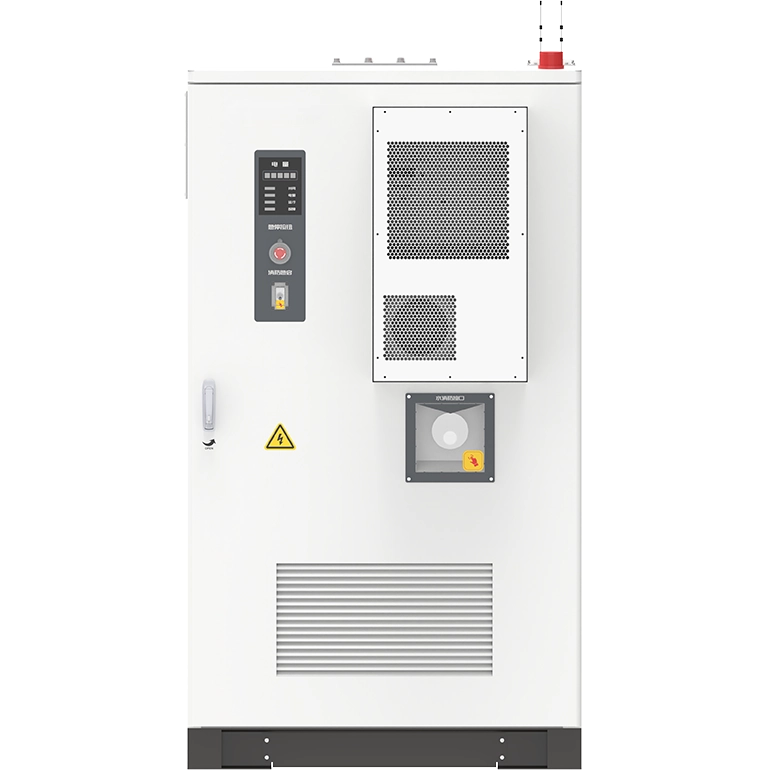
A Solar energy storage system lets you use sunlight power anytime. You collect solar energy in the day with solar panels. The system saves extra solar power for later use. You can use it at night or when it is cloudy. Solar storage gives you more control over your energy use. Many people and businesses use solar solutions to save money. They also want better reliability. Solar technology helps you handle your energy needs easily.
Key Takeaways
Solar Energy Storage System Basics
What Is Solar Energy Storage
A solar energy storage system is a smart way to save power from sunlight. The system has parts that store energy and send electricity to your home or the electric grid. You can use solar power when you need it, not just when the sun is out.
Here are some important things about solar energy storage systems:
The system keeps extra energy made by your solar panels.
You can use stored energy at night or if the power goes out.
The system helps you control your energy use and costs.
Homes and businesses use these systems for different reasons. The table below shows how each group benefits:
Purpose | Residential Users | Commercial Users |
Energy Independence | Helps you rely less on the grid and get ready for outages. | Makes buildings stronger and lowers demand charges. |
Cost Savings | Cuts electricity bills by using stored energy during busy hours. | Reduces demand charges by using stored energy when loads are high. |
Enhanced Resource Utilization | Turns rooftop solar into a resource for evening use. | Moves big loads away from peak grid charges and uses energy better. |
Support for Renewable Energy | Makes the grid cleaner and more stable by adding renewable energy. | Helps utilities handle changes in generation and gives extra services. |
How Photovoltaics Work
Solar panels use the photovoltaic effect to change sunlight into electricity. When sunlight hits a solar panel, it reacts with the material inside, usually silicon. This makes electrons move and creates an electric current. The current goes through wires and powers your devices.
Solar panels turn light energy into electrical energy with the photovoltaic effect.
The effect happens when light hits a two-layer semiconductor and makes a voltage.
This voltage lets current flow through a circuit and powers your home.
Inside each solar cell, light changes how electrons are spread out. Some electrons break away from their atoms and leave holes. These free electrons move and join with holes, making an electric current. Pure silicon makes a small current, but special materials in solar panels make it stronger.
You might wonder how well solar panels work. Most home panels are about 20% efficient. Some top panels can reach 40% to 50% efficiency, but most people use panels between 15% and 22%.
Type of solar panel | Efficiency (%) |
Monocrystalline | 15 - 22% |
Polycrystalline | 15 - 20% |
Thin-film | 10 - 20% |
Grid Interaction and Flexibility
Your solar energy storage system does more than store power. It also works with the electric grid to help you save money and keep your lights on. Modern inverters link your solar panels and battery to your home and the grid. During the day, your solar panels often make more electricity than you need. The system stores extra energy in your battery.
Solar panels make most electricity during peak rate times, which helps you with time-of-use pricing.
A battery saves extra solar power from the day for use during expensive evening hours.
You can store energy when rates are low and use it when rates are high to save money.
Advanced systems can charge and discharge automatically based on prices or demand.
Energy storage systems also help the grid. They make the grid stronger and help add more renewable energy. These systems give you more control over your energy use and help the grid during storms or high demand.
Energy storage makes the grid more reliable and helps add renewable energy.
These systems give you and others more ways to manage energy.
Advanced controls help you get the most from your battery and make the grid better for everyone.
Adding energy storage to the grid can lower costs for everyone.
With a solar energy storage system, you get flexibility. You can use your own solar power when you want, save money, and help make the whole energy system stronger.
Solar Battery and Main Components
A solar energy storage system has many key parts. These parts work together to collect, store, and use energy. Each part does something important. Knowing how they work helps you get the most from your solar setup.
Solar Panels
Solar panels go on your roof or in your yard. They catch sunlight and change it into electricity. Most home panels make between 300 and 450 watts. A 6 kW system can make 400 to 600 kWh each month. Panels work best when the sun is bright. They still make some energy on cloudy days. You can use this energy now or save it for later.
Specification | Typical Range |
Power Output per Square Foot | 1.3 to 1.6 kWh/year |
Panel Efficiency | 15-23% |
Typical Panel Wattage | 300-450 watts |
Solar Battery
The solar battery is the main part of your solar battery storage system. It saves extra energy from your solar panels during the day. You can use this stored energy at night or when it is cloudy. It also helps during a power outage. Battery storage gives you a steady supply of electricity. It lets you control your energy use better.
Battery storage lets you use solar energy when the sun is not out.
The solar battery helps keep your lights on.
Storing solar energy helps you waste less and save more.
Most homes use lithium-ion batteries for solar battery storage. These batteries last longer and need less care than older lead-acid batteries. Lithium iron phosphate batteries are popular because they store more energy and last even longer.
Inverter and Charge Controller
The inverter changes electricity from your solar panels (DC) into the kind your home uses (AC). You need an inverter to use energy from your solar panels or solar battery. The charge controller keeps your battery safe. It makes sure your battery does not get too much or too little energy. This helps your battery stay healthy and work well.
Inverters and charge controllers help your solar battery storage system work safely.
The charge controller stops your battery from getting too much or too little charge.
These parts help you get the most energy from your solar panels and battery storage.
Tip: A good inverter and charge controller help your solar battery last longer and work better.
Component | Function |
Hybrid Inverter | Handles power from solar panels, battery, and grid; gives power during outages. |
Battery Management System | Keeps the battery safe from too much or too little charge. |
Batteries | Save energy for later use. |
Charge Controllers | Control energy flow to and from the battery. |
System Monitoring | Shows how much energy you make and use. |
Racking and Enclosures | Hold and protect solar panels and batteries. |
Safety Components | Keep your system safe from electrical problems. |
Energy Storage Process
Capturing Solar Power
The energy storage process starts when solar panels catch sunlight. These panels are on your roof or in your yard. They take sunlight and change it into electricity. How much energy you get depends on where you live and how strong the sun is. For example, homes close to the equator get more sunlight than homes near the poles.
Latitude Range | Average Solar Energy Capture (Approx.) |
Equator (0°) | 340 watts per square meter |
Tropics (0 to 23.5°) | ~306 watts per square meter |
Mid-latitudes (45°) | ~238 watts per square meter |
Arctic/Antarctic Circles | ~136 watts per square meter |
To get the most from your solar power storage, you should do a few things:
Make sure your storage system fits your energy use and solar power.
Charge and use your battery at the best times.
Use smart controls to keep your battery safe.
Plan for battery wear and add extra space if needed.
Set up backup modes to get ready for outages.
Tip: If your solar energy storage system is the right size, you can save more energy and use it when you need it.
Storing Electricity
After your solar panels make electricity, your system stores it for later. There are different ways to store energy, but most homes use a battery. The battery keeps energy as chemical potential. When you need power, the battery sends out electricity for your home.
Storage Method | Description |
Battery Storage | Stores energy in batteries using chemical reactions. Releases electricity when needed. |
Thermal Storage | Stores energy as heat in fluids or solids. Releases energy by heating a fluid to make steam. |
Mechanical Storage | Uses energy to move objects, like pumping water uphill. Releases energy when water flows back down. |
Most homes pick battery storage because it is simple and works well with solar panels. Big buildings or power plants sometimes use thermal or mechanical storage. No matter what method you use, some energy is lost when you store it. Usually, you lose about 5–6% of the energy you put in.
Using Stored Energy
You use stored energy when your solar panels do not make enough electricity. This happens at night, on cloudy days, or if the power goes out. Your battery gives you power when you need it most. This helps you avoid high electricity bills and keeps your lights on during outages.
Context | Time of Use |
Residential Use | Early morning (6-9 AM) and evening (5-10 PM) |
Commercial Use | Peak demand periods, often outside daylight hours |
Most homes make the most solar energy from 10 AM to 3 PM. People use the most energy in the morning and evening. By storing energy during the day, you can use it when you need it most.
Stored solar energy helps you during busy times when electricity costs more.
Your energy storage system means you need less power from the grid.
Long-lasting storage is important for businesses that run all day and night.
When lots of people use electricity at the same time, the demand goes up. This can cause power outages if the grid cannot keep up. Your solar battery helps by saving extra energy and giving it back during busy times. This is called "peak shaving." It lowers stress on the grid and makes it stronger.
Homes with solar and battery storage can use their own energy during busy hours.
Your system helps balance the grid and keeps it working during outages or peak times.
By storing renewable energy, your battery gives you steady power, even when the sun is not out.
Note: Using solar power storage helps you save money, be ready for outages, and make the energy grid stronger.
Benefits of Solar Energy Storage
Energy Independence
Solar energy storage lets you control your electricity. Solar panels collect energy from the sun during the day. The battery saves extra energy for later use. You can use your own power at night or if the grid fails. You do not have to count on others for your electricity.
You choose when to use your stored energy.
You depend less on the grid.
You get a steady supply of power at home.
Solar panels and batteries work together to save extra energy. This helps you stay independent and avoid sudden blackouts.
Cost Savings
Solar energy storage helps you spend less on electricity. You can store energy when it is cheap and use it when prices are high. About 60% of U.S. homes can cut costs by 15% with solar and battery storage. Over 25 years, the average homeowner could save about $57,000. Your savings depend on where you live and local prices.
Store energy when it costs less.
Use stored energy when prices rise.
Pay less each month for power.
Tip: Using your battery wisely can help you save a lot over time.
Reliability and Backup Power
Solar energy storage gives you backup power you can trust. Your battery keeps your lights on if the power goes out. It runs important things like your fridge and alarms. Solar batteries are quiet and need little care, unlike loud generators.
Feature | Solar Energy Storage Systems | Traditional Backup Generators |
Reliability | High, less grid risk | Needs fuel |
Noise | Silent | Loud |
Maintenance | Low | High |
Environmental Impact | No emissions | Pollutes |
Energy Independence | Yes | Needs fuel |
With solar and battery storage, you get clean, quiet backup power. This keeps your home safe and comfortable during emergencies.
Types of Solar Energy Storage
There are a few ways to store solar energy. Each way keeps energy in its own way. The main types are battery storage, thermal storage, and mechanical storage. It is good to know how each type works. This helps you pick what is best for you.
Storage Method | Description | Pros | Cons |
Battery Storage | Keeps solar electricity using chemicals. | Most used for homes and businesses; holds lots of energy; lithium-ion lasts long. | Old types like lead-acid do not last as long and hold less energy. |
Thermal Storage | Saves energy as heat with things like hot water or molten salts. | Good for big places; can keep lots of heat. | Some energy is lost; needs special tools; not good for small homes. |
Mechanical Storage | Changes extra electricity into movement or stored energy. | Works well for big jobs; can react quickly. | Flywheels do not store much; pumped hydro needs special places. |
Battery Storage
Battery storage is the most used way to store solar energy at home. Batteries save extra solar power made during the day. At night or when it is cloudy, the battery gives you power. Lithium-ion batteries are best for most homes. They hold lots of energy in a small space. You do not have to do much to care for them. Battery storage lasts many years and helps you use more solar power.
You can add battery storage to your solar panels.
Battery storage gives you power if the lights go out.
You can use battery storage to pay less for energy.
Tip: Lithium-ion batteries are the best for storage, safety, and long life.
Thermal Storage
Thermal storage keeps solar energy as heat. You might use hot water tanks or special things like molten salt. This way is good for big buildings or solar plants. The stored heat can make steam to run machines. Thermal storage is not used much in homes. It needs special tools and lots of space.
Mechanical Storage
Mechanical storage changes extra solar power into movement or stored energy. You might see this in pumped hydro or flywheels. Pumped hydro moves water up a hill when there is extra energy. Later, the water goes down to make power. Flywheels spin fast to save energy and give it back quickly. Mechanical storage is best for big projects or special places.
Most homes use battery storage because it is simple and safe. It works well with solar panels. You can count on battery storage to keep your solar energy ready every day.
Real-World Example
Homeowner Case Study
Think about living in Los Angeles and wanting lower bills. You put solar panels and a battery on your house. The panels collect sunlight all day. The battery saves extra energy for later use. You use stored power at night or when the grid fails.
One family in Los Angeles did this. Their yearly energy costs dropped by 80%. When blackouts happened, their battery kept lights and the fridge working. They did not worry about losing power in storms. They also helped the planet by using clean solar energy.
Here is a summary of what happened to them:
Key Outcome | Description |
Electricity Savings | Yearly energy costs went way down, sometimes almost $0. |
Sustainability | Lower carbon footprint and less need for grid power. |
Energy Independence | Made most of their own power, even on cloudy days. |
Off-Grid Resilience | Used solar and battery during storms and outages. |
Community Inspiration | Neighbors wanted to learn about solar energy too. |
Key Insights
There are many good things about solar energy storage at home. Here are some main points:
You can lower your bills and save money.
You control your power and depend less on the grid.
You help the planet by using clean energy.
You stay safe and comfy during outages because your battery keeps things running.
You can inspire others to try solar energy.
Tip: If you get solar with a battery, you protect yourself from high prices and outages. You also help make the future cleaner for everyone.
You have learned how solar energy storage systems work. These systems use solar panels, batteries, and smart controls. They store energy and give you power when you need it. You can use solar power day or night. Solar storage helps you be more independent. It saves you money and helps the planet.
"The survey shows two things. Americans want lower energy bills. But many do not know how home battery storage can help them save."
Solar batteries, thermal storage, and mechanical storage have special benefits. You can pick the solar solution that fits your needs best. Knowing about costs and rewards makes solar energy storage easier to get.
Resource | Description |
Energy storage | Learn how energy storage can help with your power needs. |
IRS Tax Credit | Find out about tax credits for battery storage at home. |
City of Fort Collins | See details on battery storage programs and ways to pay. |
Colorado Energy Office | Read about the BESS study from the Colorado Energy Office. |
Think about solar energy storage to control your energy and save money.
FAQ
How do lithium-ion batteries work in home solar energy storage?
You use lithium-ion batteries to keep extra solar power. These batteries store energy as a chemical charge. When you need power, they send electricity to your home. Lithium-ion batteries are reliable and last a long time. They help your solar energy storage work well.
Why should you choose lithium-ion for solar energy solutions?
Lithium-ion batteries have many good points. They last longer and charge faster than old batteries. You can trust them for safe and efficient energy storage. Many solar energy solutions use lithium-ion because they work in all kinds of weather.
How long do lithium-ion batteries last in home solar energy storage?
Lithium-ion batteries can last 10 to 15 years. They keep most of their power as time goes by. You get strong performance for your solar energy storage system. If you take good care of them, they last even longer.
What are the main solutions for storing solar energy at home?
You can choose from a few solutions. Most people use lithium-ion batteries for home solar energy storage. Some pick thermal or mechanical storage. Lithium-ion gives you the best mix of safety, cost, and easy use.
Can you add lithium-ion batteries to your current solar solutions?
Yes, you can add lithium-ion batteries to most solar setups. You get more control over your energy use. Adding lithium-ion helps you save money and keeps your home powered during outages. Many people upgrade their systems with lithium-ion for better results.


